
Story path
Industrial Lives
Who gained from industrial production, and who carried its costs?
Begin with Manchester’s cotton mills, then follow power, children’s work, the Atlantic cotton economy, protest, collective action and factory reform. Each chapter asks how industrial change affected people in different positions.
Explore the chapters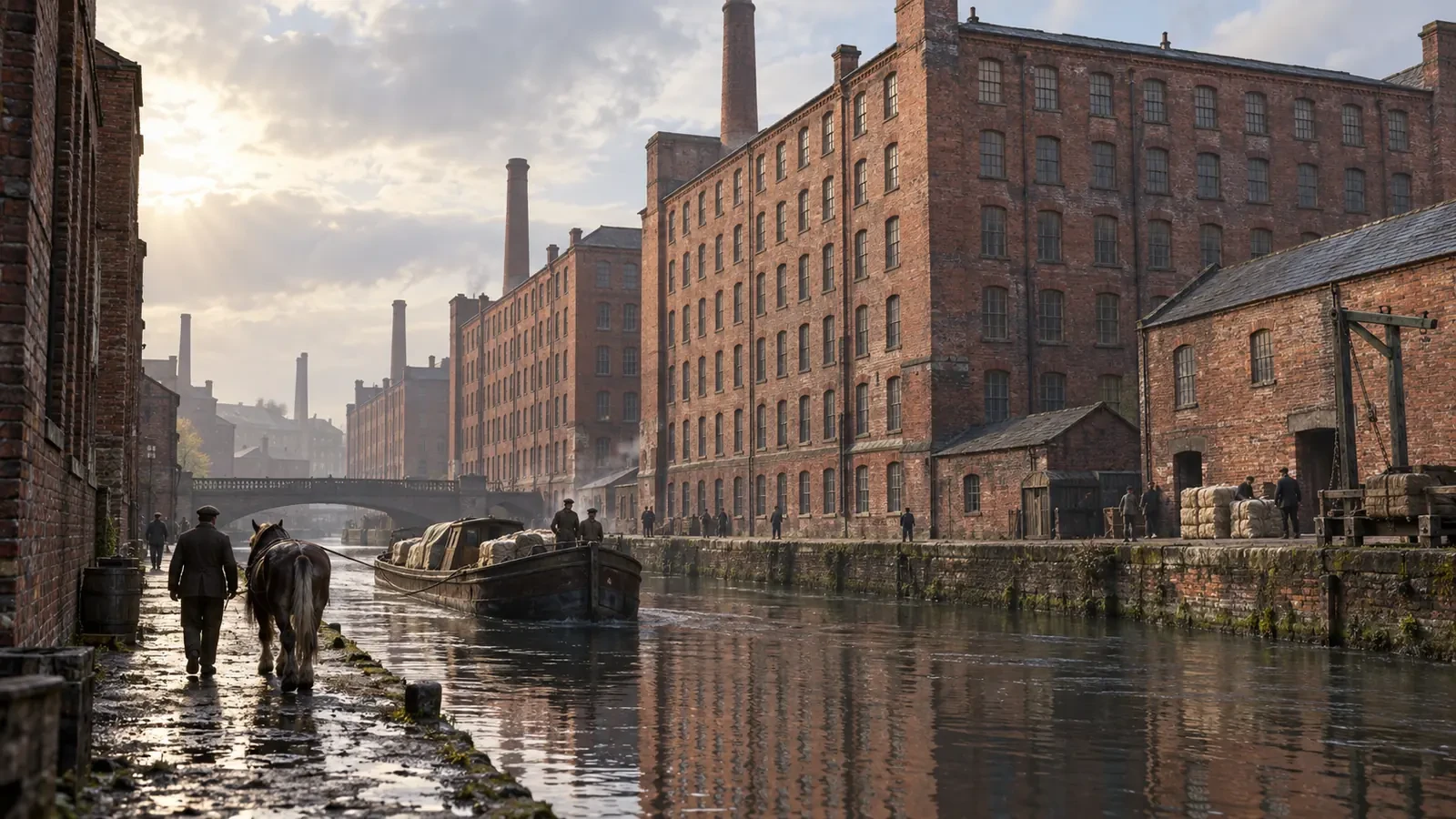
The reading path
Follow the work. Widen the picture.
Eight chapters connect Manchester’s mills to technology, households, Atlantic cotton, protest, collective organisation and factory regulation. Read in order or return to the evidence behind the conclusion.
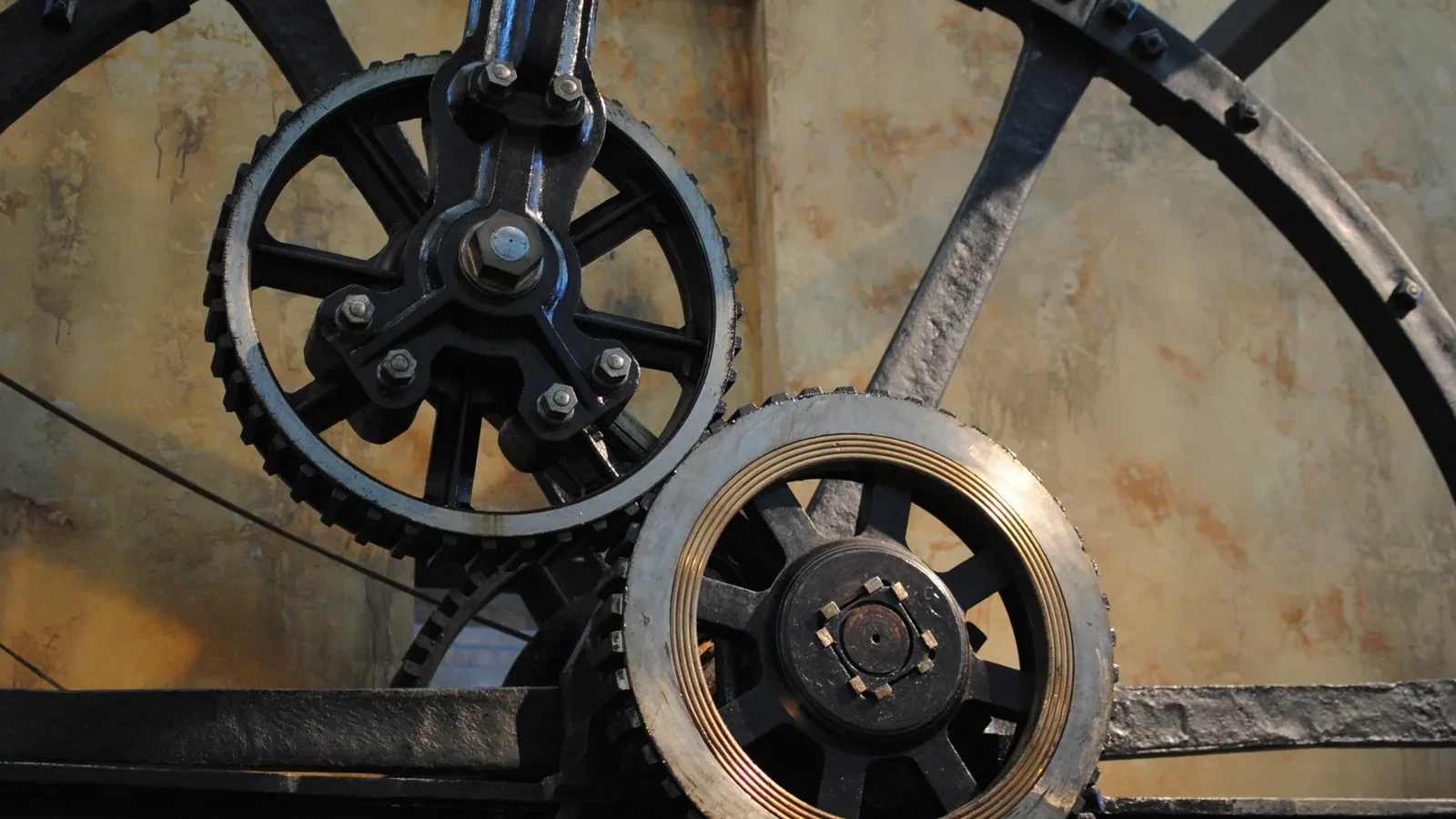
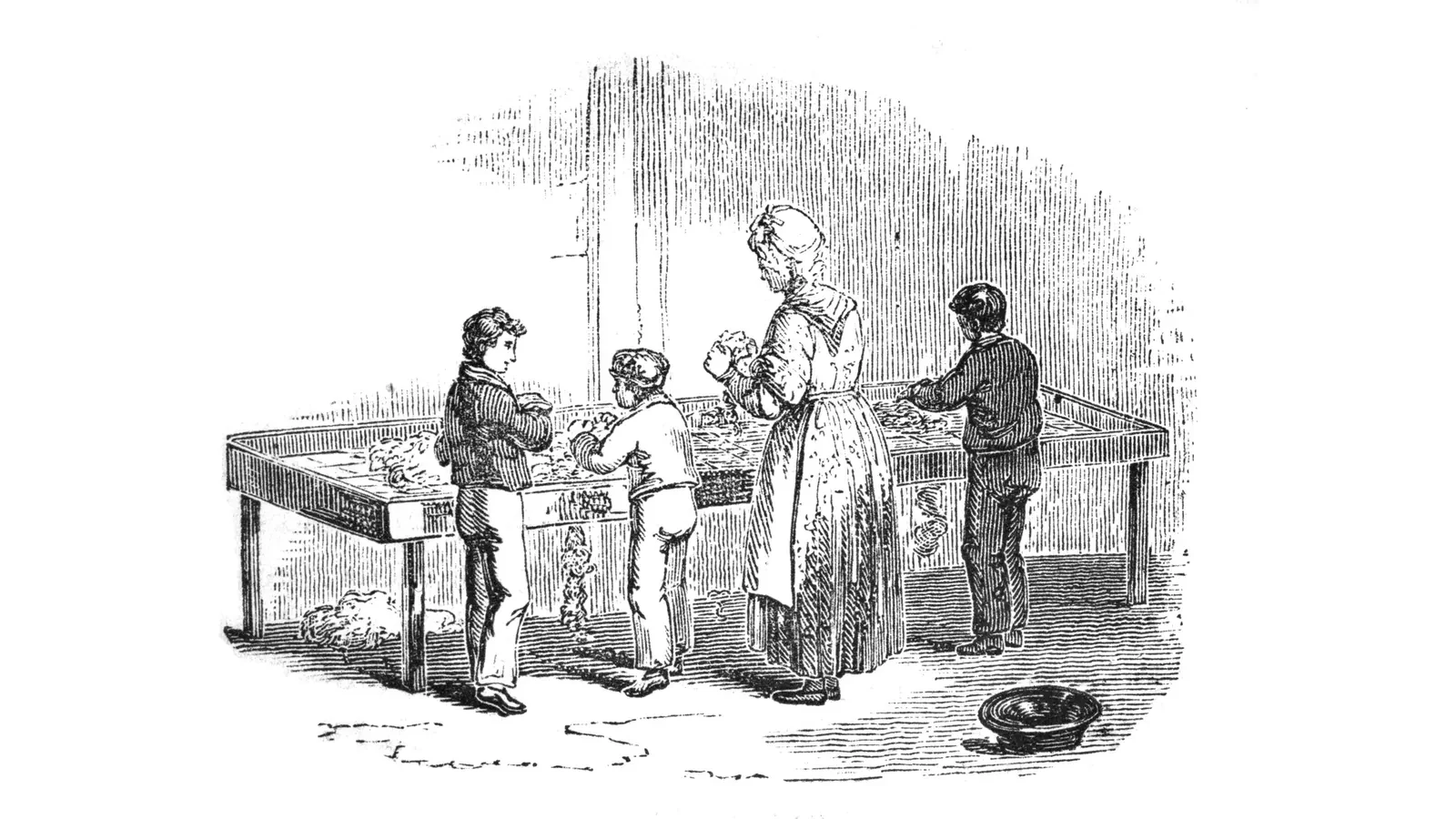

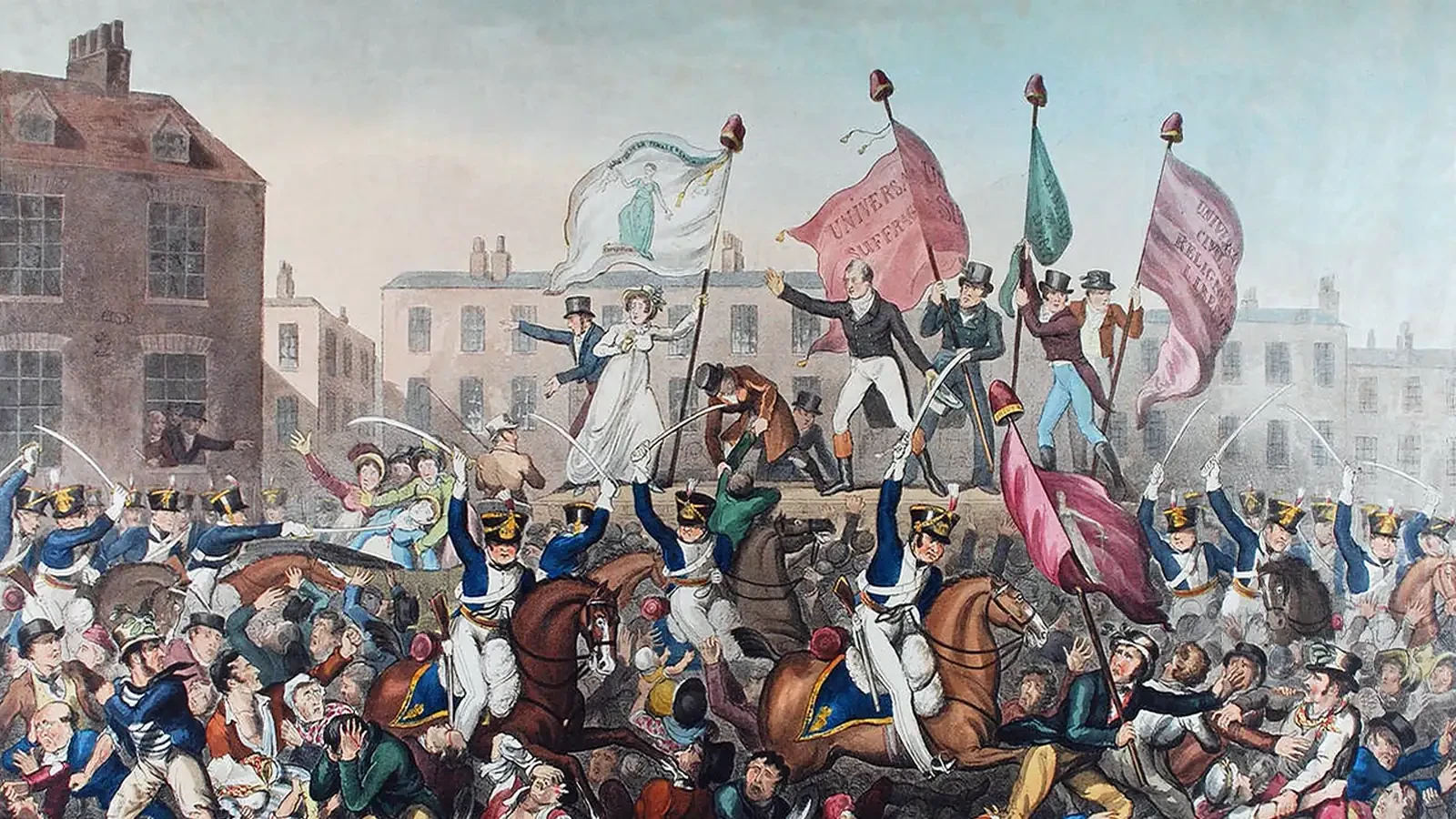
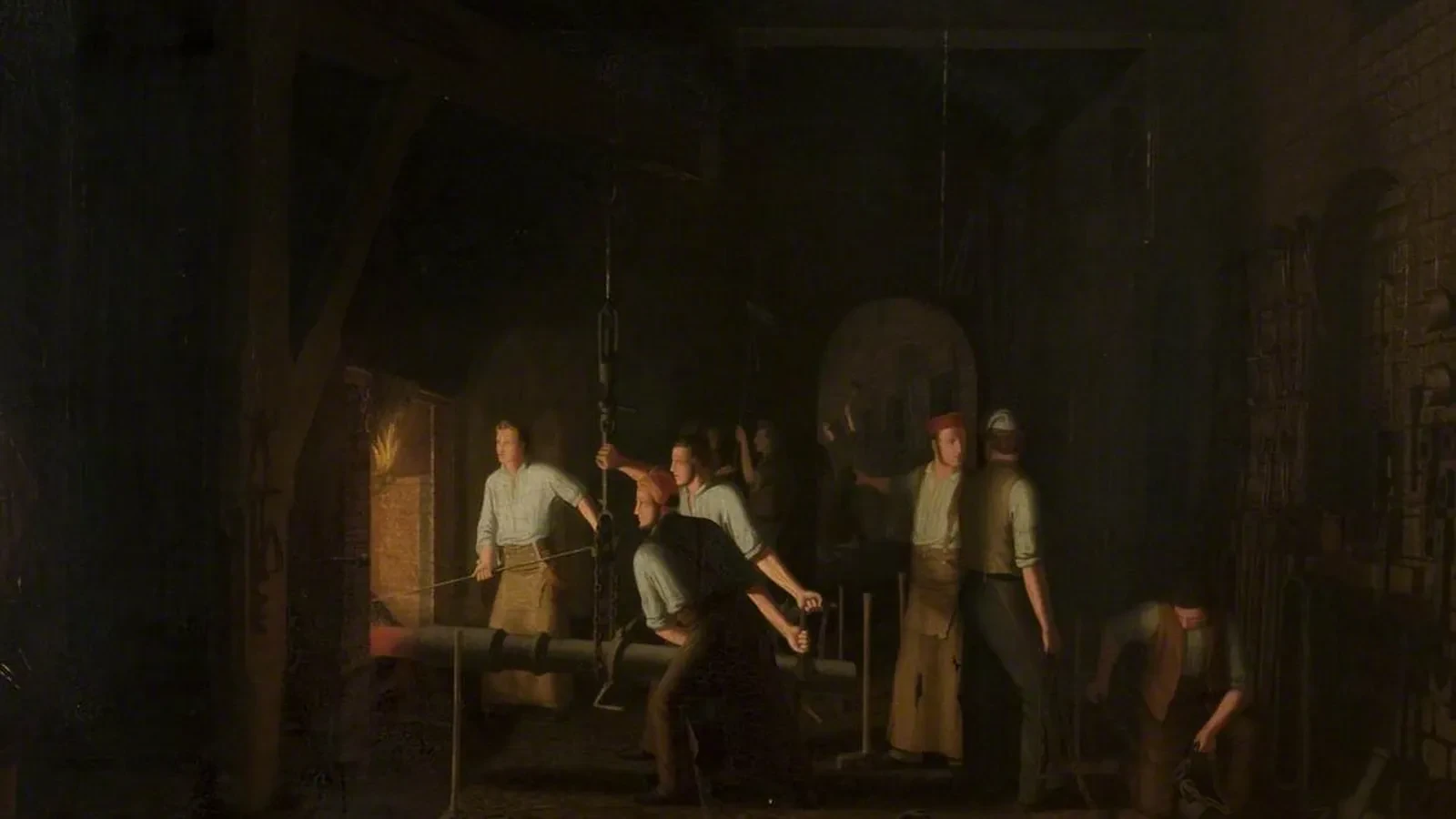
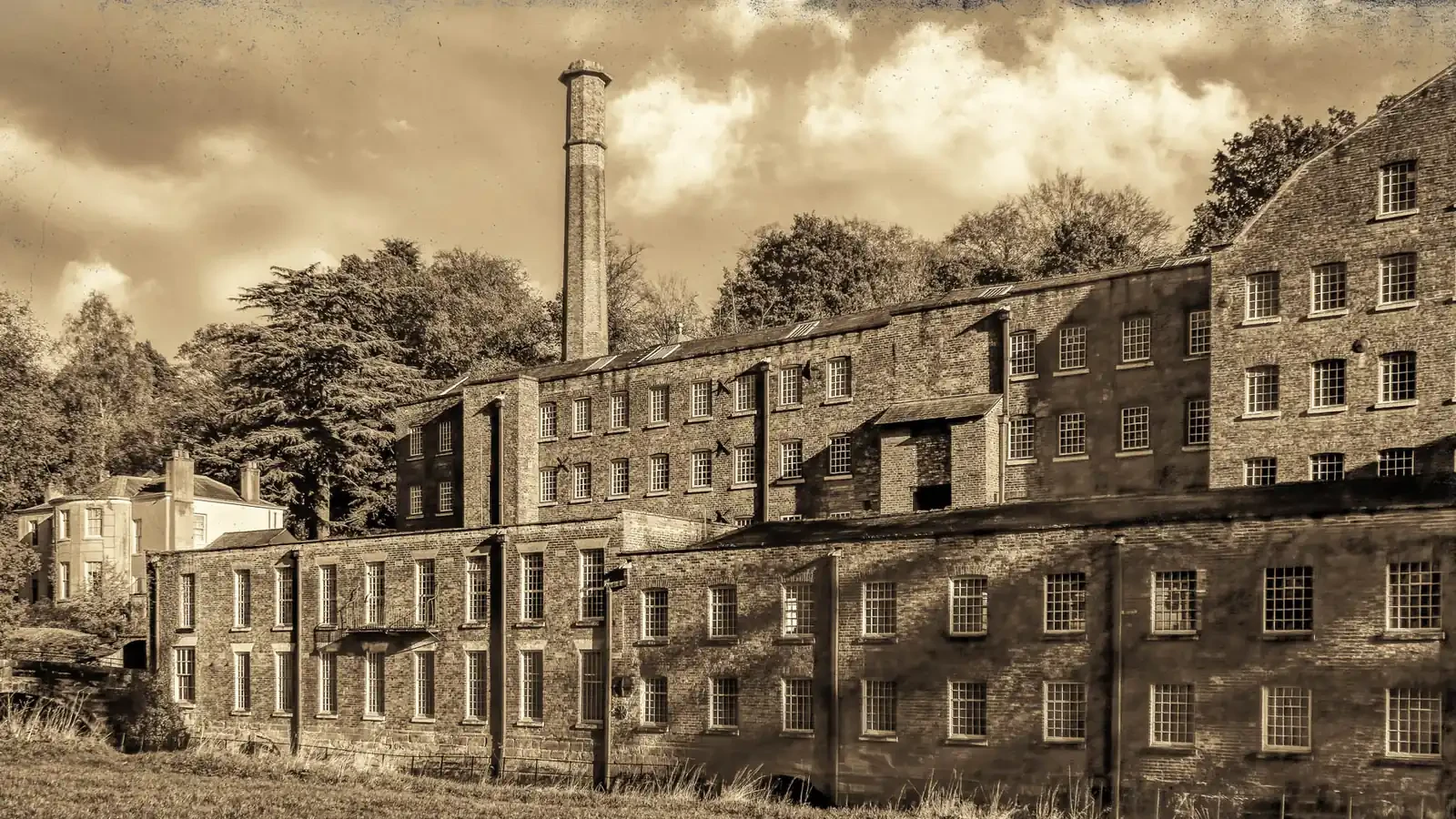
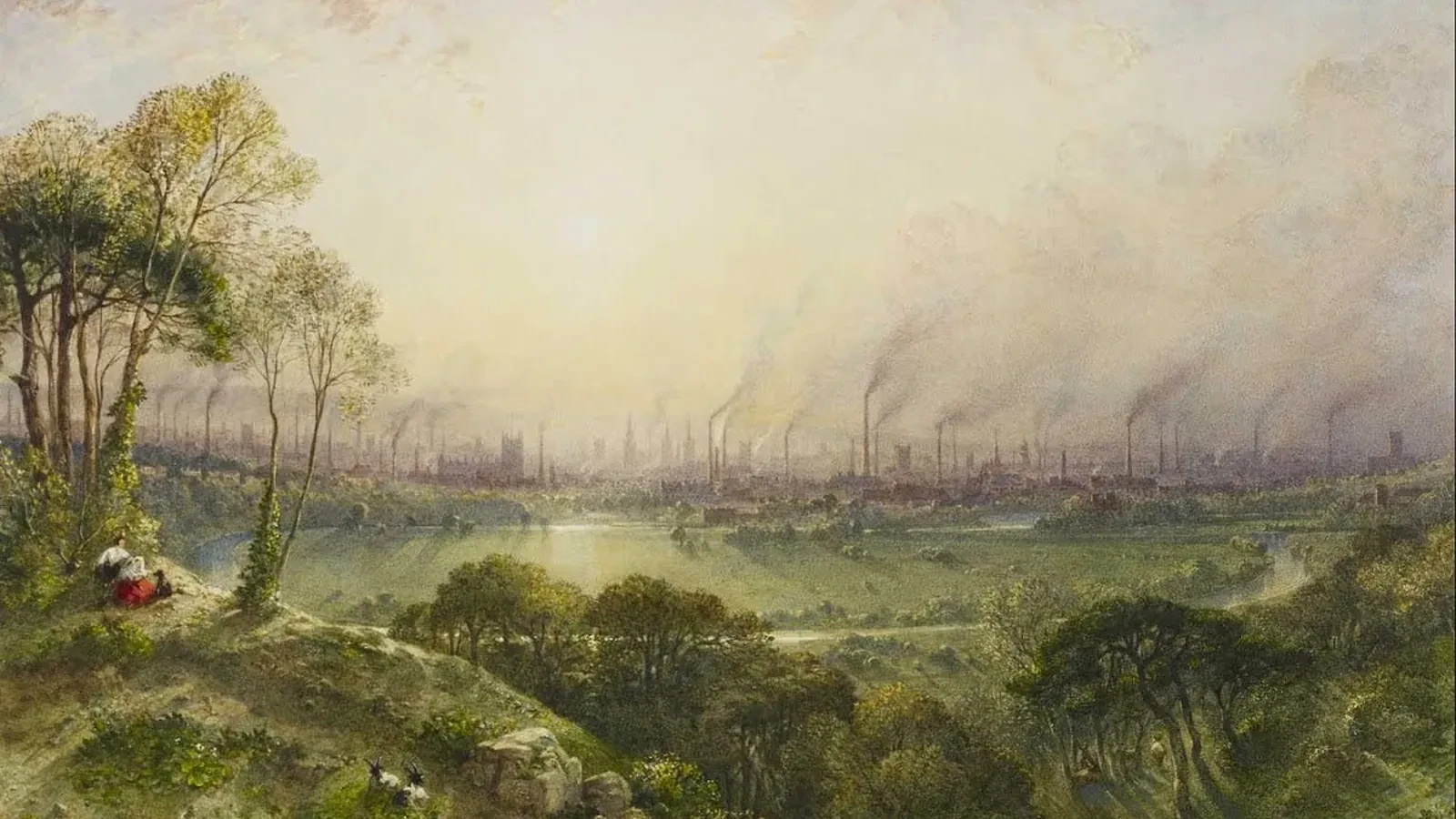
The chapters for this path will be published soon.
Keep exploring
There is more beyond this path.
Explore another reading path, or find a new connection in the Atlas.