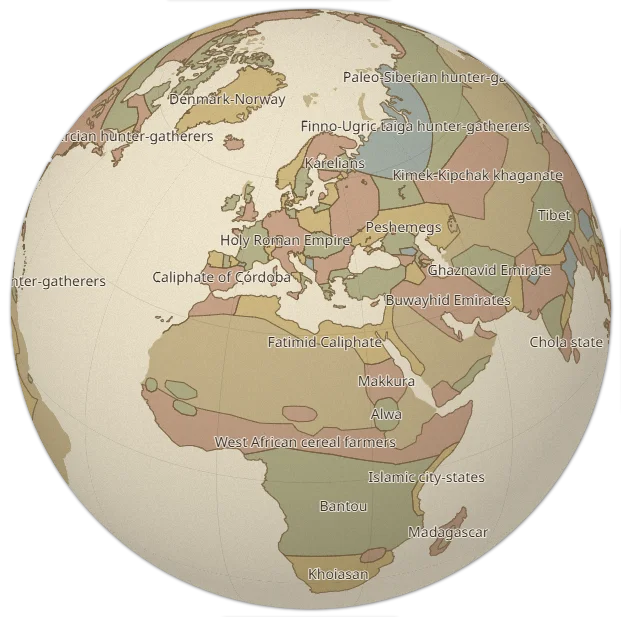
Living together
How did we learn
to build cities?
From shared food to shared rules: the arrangements that make life among strangers possible.
Explore the first storyBehind every date, people were trying to make life work. Follow their questions. Explore their world. Discover what changed.
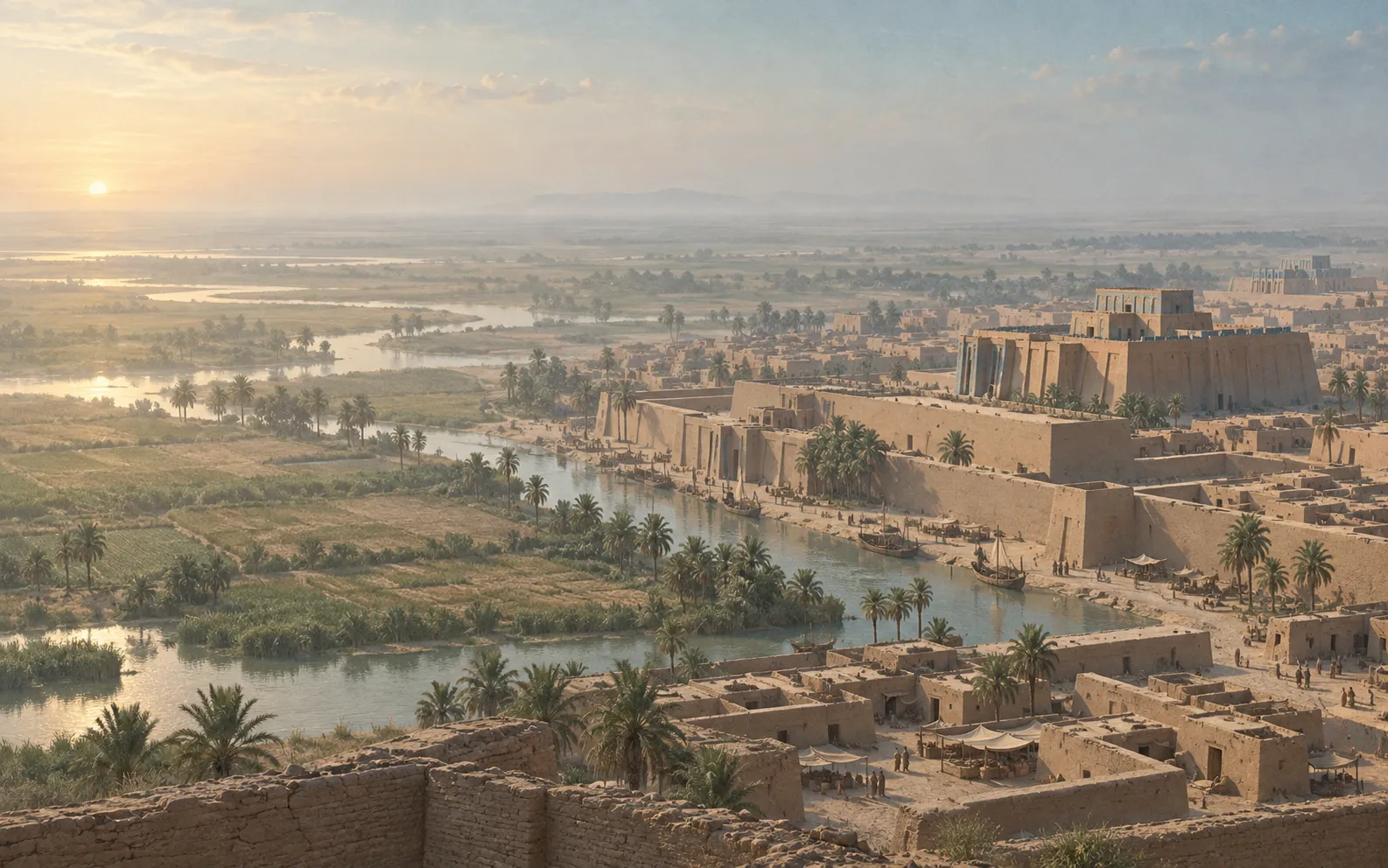 AI-generated illustration · Not an archaeological reconstruction
Follow a question
Pick something that makes you curious. Each path connects individual stories to a bigger question.
Living together
From shared food to shared rules: the arrangements that make life among strangers possible.
Explore the first storyPower & belonging
Force is only part of the story. Follow the promises, beliefs and bargains behind authority.
A path in the making
A connected world
Goods cross borders. So do ideas, skills and stories. Explore what happens when worlds meet.
A path in the making
The evidence room / Object 001
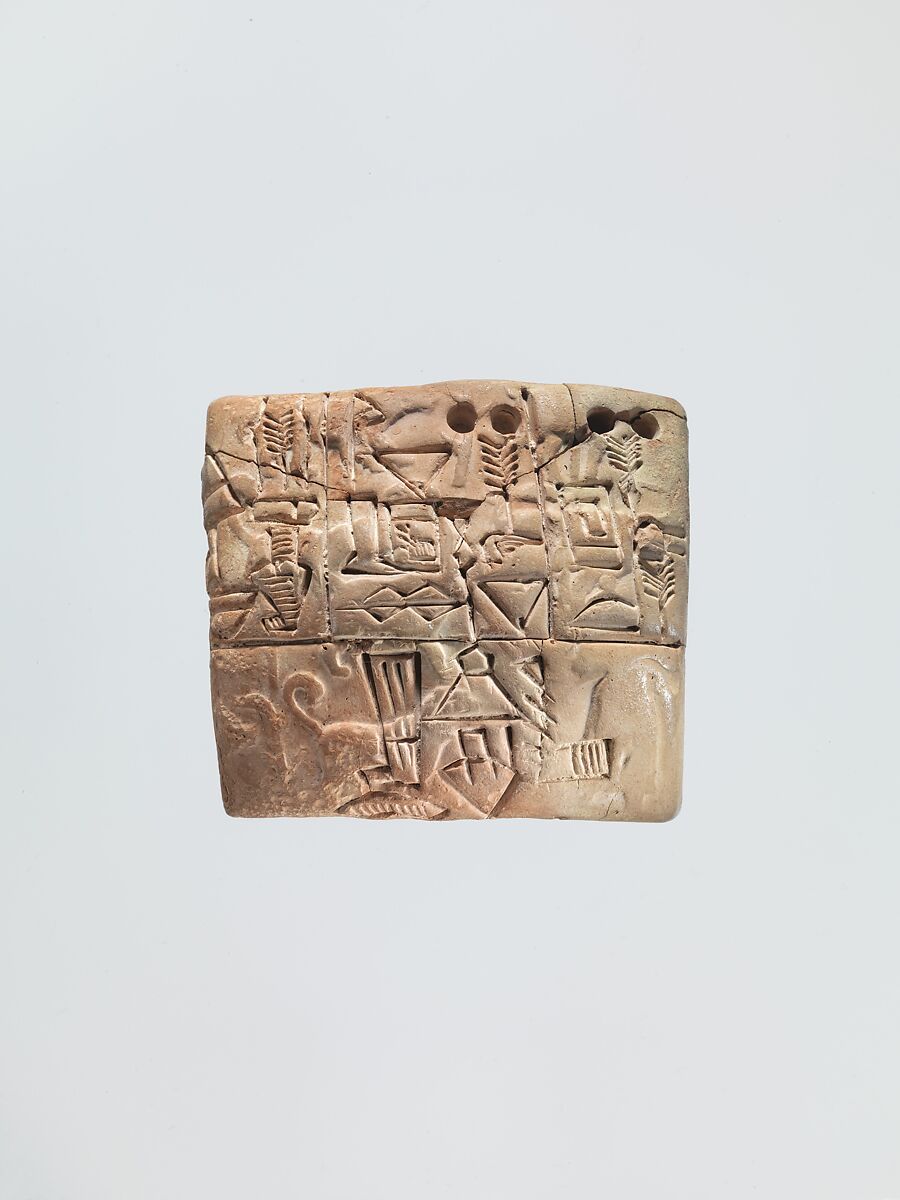
Small object. Big questions.
History doesn’t only survive in monuments. Sometimes it survives in marks on a piece of clay. Who made them? What needed counting? And what can we really know?
Look at the marks before you read the explanation.
Examine the tablet View the museum recordThe Before Now approach
You don’t need a background in history. Just a willingness to ask one more question.
What were they trying to do? What choices did they have? Dates matter more when you understand the lives behind them.
Look at what survives. Separate what it shows from what we infer, and leave room for what we don’t know.
A person, an object, a turning point: each belongs to a bigger story. Follow the connections without losing the human detail.