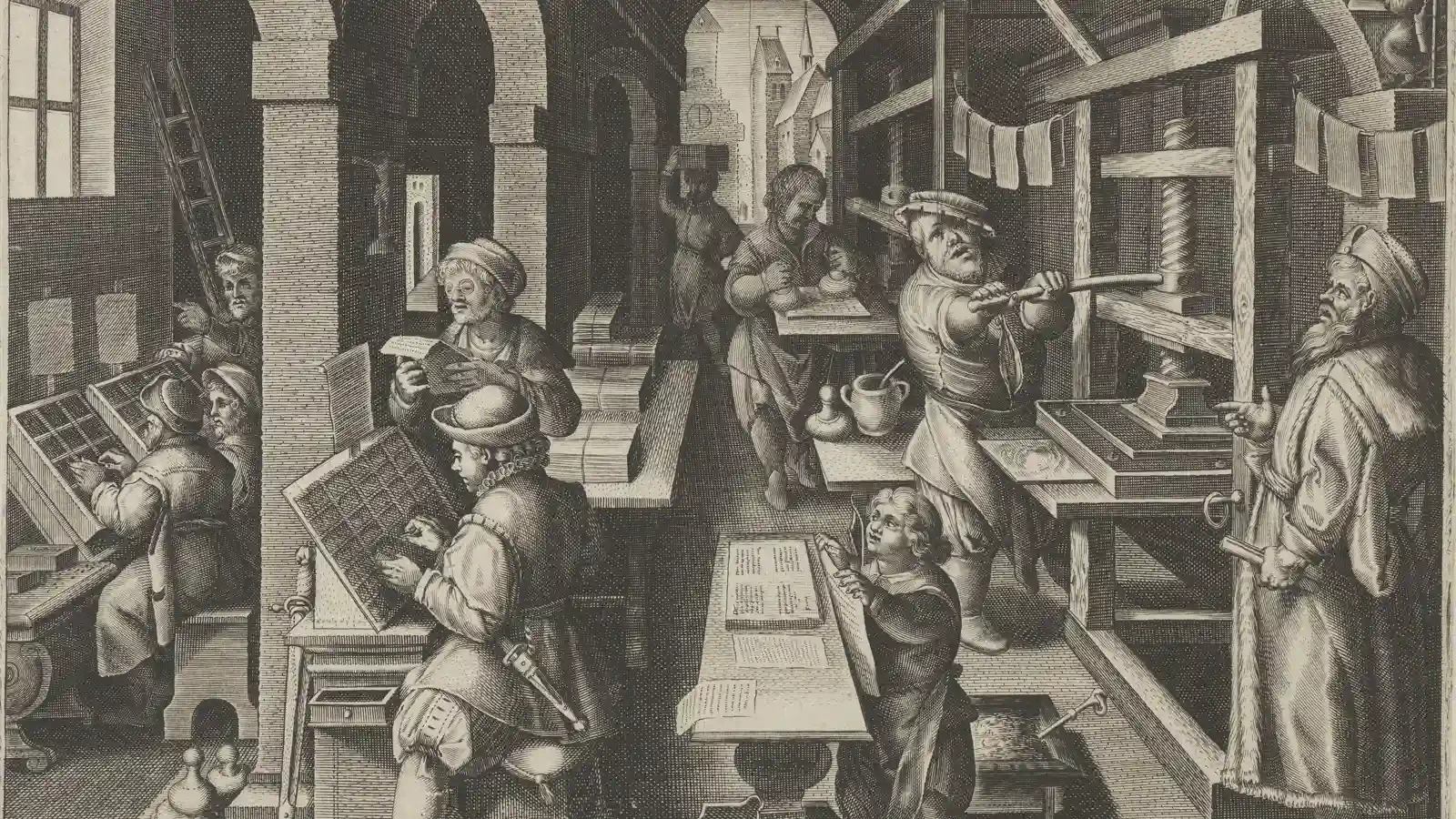
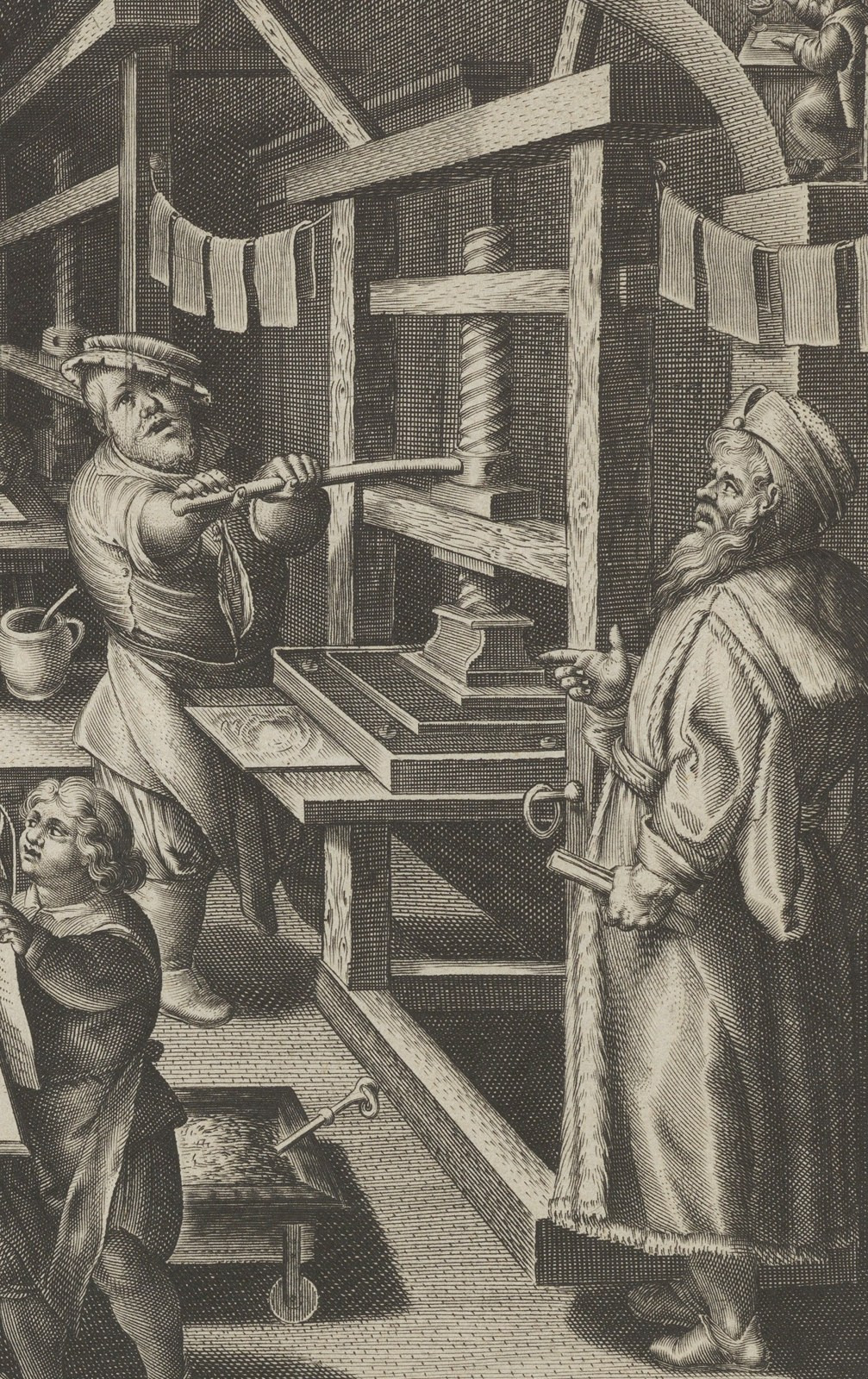
Look past the great wooden press. In the workshop engraving above, workers at the left reach into type cases; a bespectacled figure studies a sheet; a boy handles printed paper near the centre. The press occupies only one part of the room. The Met’s catalogue identifies these different jobs in a print after Stradanus, dated about 1600. The picture offers a useful starting question: whose work made the book possible?
A Renaissance printing workshop needed more than someone to pull a bar. Letters had to become lines, pages had to survive inspection, and sheets had to become a complete copy. This chapter follows those working connections from the early presses of Mainz and Venice into the better-documented later workshop world of Antwerp. It is a tour of tasks and evidence, rather than a reconstructed shift with invented workers and dialogue.
PLACE & TIME
From early presses to a documented working shop
Mainz · Venice · Antwerp
Rhineland · Northern Italy · Low Countries
About 1450–1600 CE
Historical settings
A picture can show the jobs without recording a day
TEST THE EVIDENCE
Is this Gutenberg’s workshop?
This picture records how Gutenberg’s Mainz shop looked.
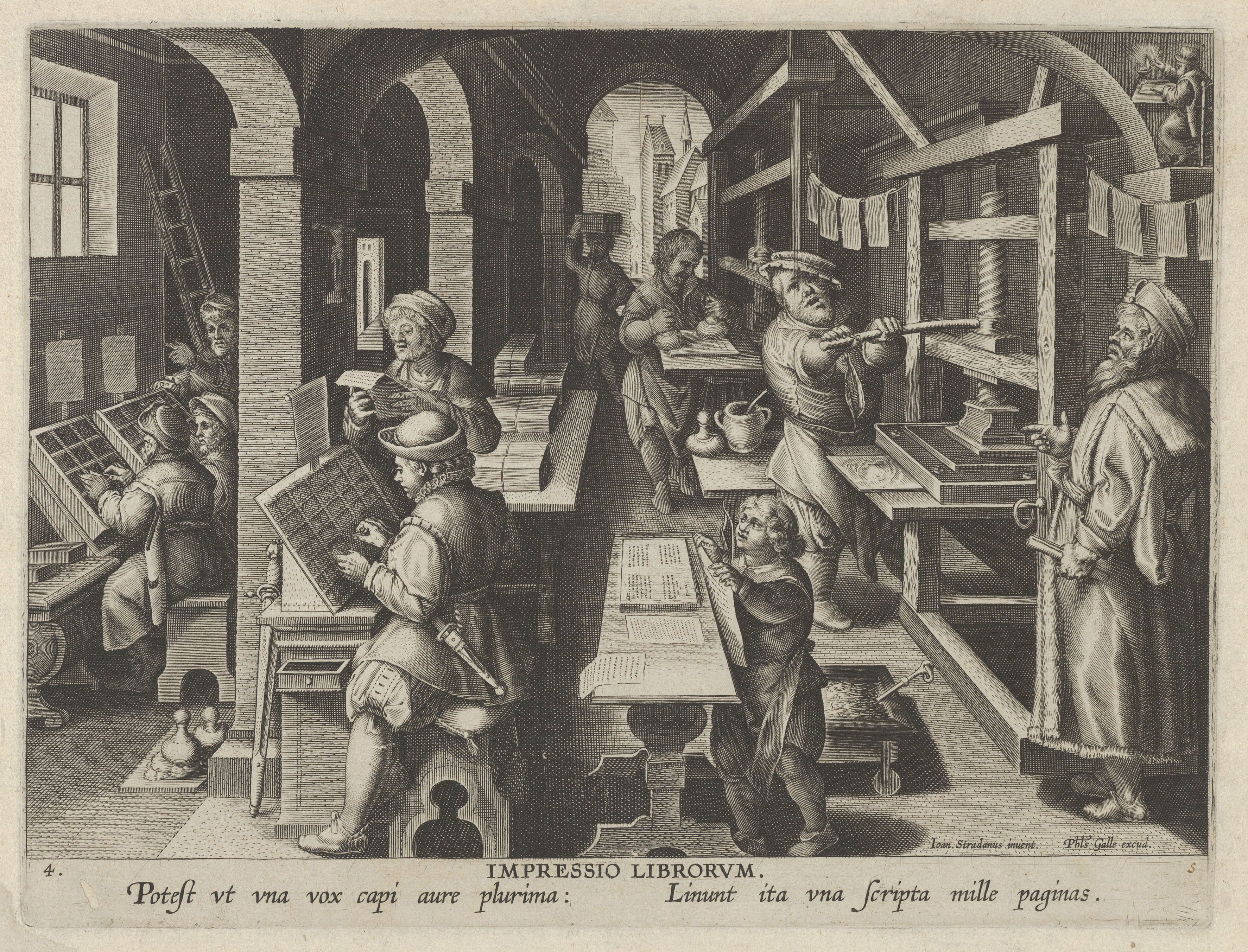
- SHOWS
- Workers, type cases, a press and handled sheets arranged together.
- SUGGESTS
- Making books involved different kinds of attention and manual work.
- CANNOT PROVE
- The picture cannot identify Gutenberg’s employees, room layout or daily output.
A better-supported reading
It represents printing work in a later artistic celebration of inventions.
Object record: The Met · Nova Reperta, plate 4 ·
Jan Collaert I after Stradanus · The Met · CC0 · resized.
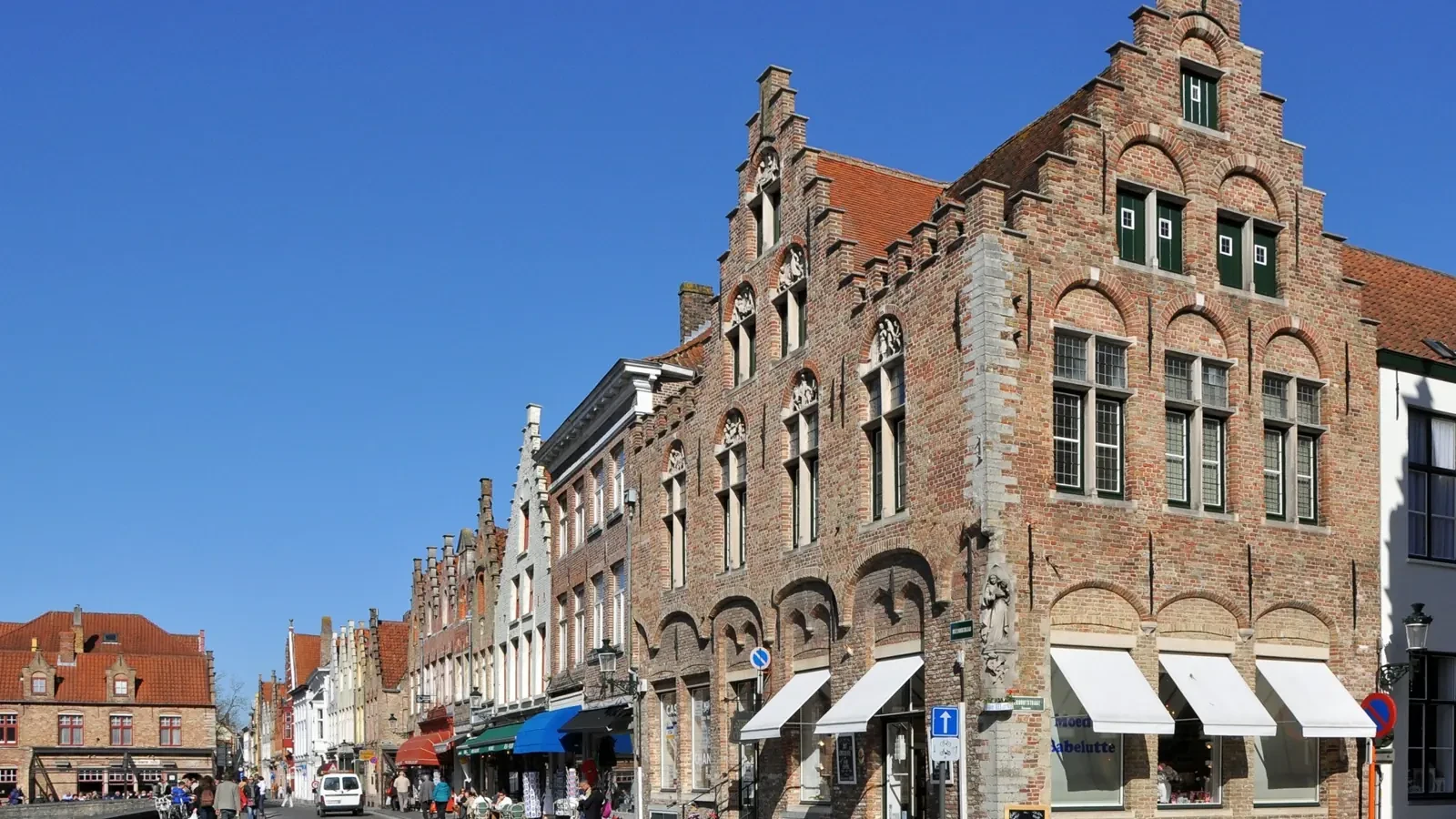
The surviving Plantin-Moretus printing house gives us another kind of evidence. It preserves an actual place of work in Antwerp, used across generations. Yet even there, equipment has its own dates: the museum’s two oldest surviving wooden presses are from around 1650. A historical workshop is a layered collection, not a single frozen moment that can simply be carried back to the 1450s.
At the type case, reading became manual work
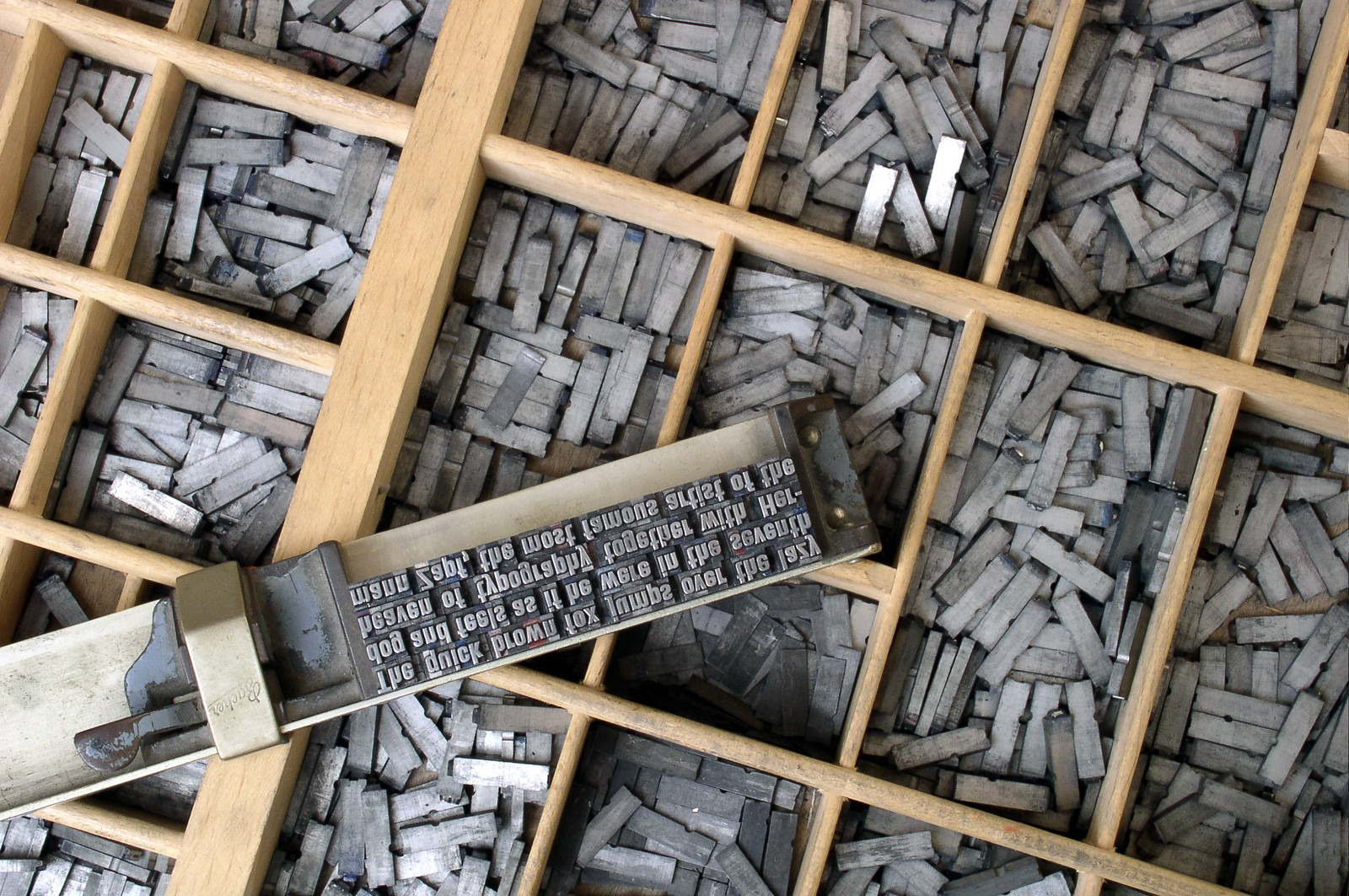
The compositor, or typesetter, worked with the text and a stock of separate letters. The museum describes selecting sorts from cases and building lines in a composing stick, then bringing them together on a galley. Repetition began before the first sheet entered the press: each line required a succession of small choices and placements.
The type itself was also someone’s skilled product. Plantin bought work from specialists including Claude Garamond, Robert Granjon and Guillaume Le Bé. The surviving materials connect typefaces with punchcutters whose work often disappears behind the name on the finished book. A printer’s capacity depended partly on these outside skills, not just on the people standing beside the press.
WORDS AT THE WORKBENCH
Four terms that make the jobs clearer
Compositor
The worker who sets separate pieces of type into lines and pages.
Galley
A tray or board that holds composed type during preparation.
Forme
Type pages secured together for printing one side of a sheet.
Gathering
A group of folded leaves assembled as a unit within a book.
Setting also involved the limits of the page. In the Plantin account of the process, compositors sometimes shortened words or adjusted spelling to fit the available line and page space. The work therefore included decisions about a text’s visible form. The letters did not arrange themselves, and the manuscript was not transferred to paper without human intervention.
Willi Heidelbach · CC BY 2.5 · resized; reused without further pixel edits.
The page had to work before and after folding
What looks like a sequence of pages to a reader began as a different arrangement on a sheet. The Folger’s explanation of signature marks shows why page positions mattered: several pages could share one side, with their order becoming readable after folding. Preparing the forme meant thinking ahead to the book the sheet would become.
KEEP THE DISTINCTION
The printer’s sheet and the reader’s book
Order
Pages are positioned for the intended folding.
The folded leaves carry the reading sequence.
Handling
A worker handles a sheet bearing several pages.
The reader turns one leaf at a time.
Checking
A forme can be inspected and corrected.
Gatherings must be present and assembled in order.
Small marks helped the next person do that work. Letters and numbers printed near the foot of certain pages identified gatherings and leaves. They were practical signals for assembly, rather than decorative additions. You can read them today as traces of coordination between the people who printed the sheets and those who turned them into a book.
The corrector’s work did not end at the first proof
Proofreading was present early. Randall Herz’s published research abstract identifies surviving proof sheets from the late 1450s, connecting the first Mainz shops with efforts to check and improve printing. A proof made a page available for inspection as a printed result. That was different from assuming that a carefully prepared manuscript guaranteed a correct impression.
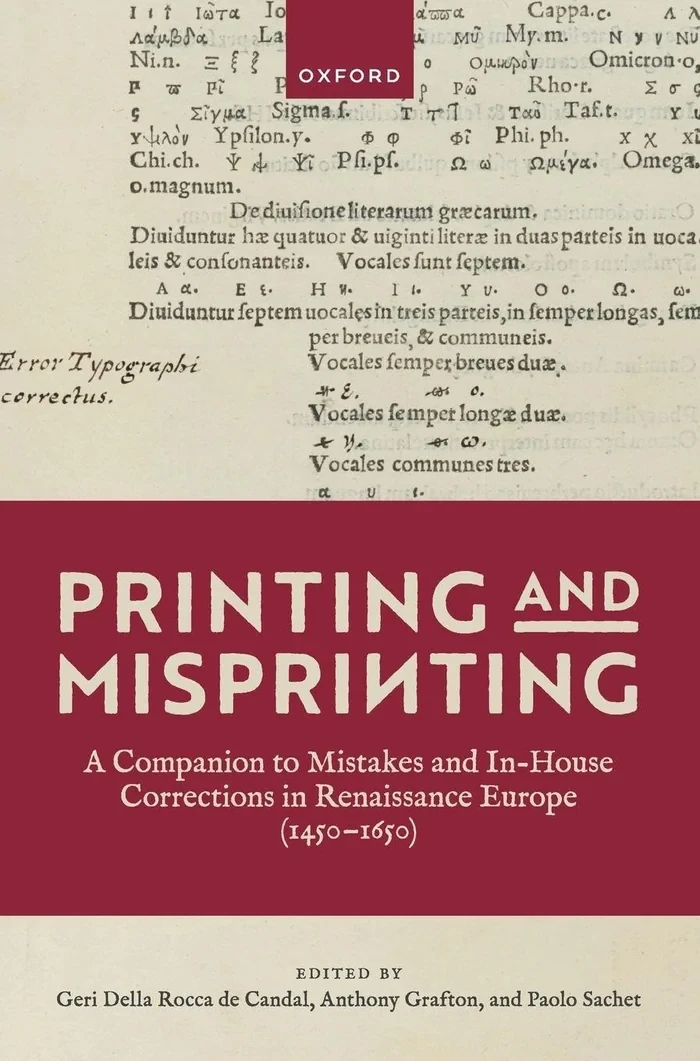
Correction could continue after printing. Paolo Sachet’s study of Aldus Manutius’s 1496 Greek grammar describes both corrections during a print run and extensive revision afterwards. Its abstract points to amendments inserted in nearly all copies. The work of getting a text right could cross the boundary between type on the press and marks on an already printed sheet.
KEY THOUGHT
Repeated printing made copies; repeated checking could make differences between them.
Plantin’s work library shows another part of this attention. It held books useful to the printing business and its proofreaders, including manuscripts and other printed editions. Consulting earlier texts was part of preparing new ones. The shop joined literate comparison with skilled handwork; the apparently quiet task of reading could affect what everyone else produced.
Jan Collaert I after Stradanus · The Met · CC0 · resized.
At the press, every impression still needed hands
The museum’s workshop explanation places a printer and assistant beside the secured type. Inking balls covered the printing surface; moistened paper was held in position and pressed against it. Making the next impression required another handling of ink, paper and pressure. The mechanism multiplied a prepared text through repeated operations, not through an unattended process.
A later accident makes those operations unusually visible. In Richard Eburne’s The Maintenance of the Ministery, printed in 1609, a loose piece of type left an unintended impression. Folger curator Caroline Duroselle-Melish explains how sticky ink could lift a sort and drop it elsewhere on the forme. The example is later than our main Renaissance horizon, but it shows how physical handling can leave evidence in a finished book.
The misplaced piece is useful because it interrupts the illusion of a seamless page. A printed mark can record a movement, a loose setting or a correction that went wrong. The work required judgement about the material as well as the words. It is possible to describe that dependence without inventing a universal daily quota, a standard working week or the sensations of a named employee.
Wages and paper kept the workshop moving
In Venice, the supply of paper demanded continuing capital. Catherine Kikuchi’s research connects that need with financial risk and collaboration in the early book industry. Buying a press was only one commitment. A workshop making a run of books also had to keep obtaining material and supporting people before all its copies had found buyers.
IN THE RECORD
live from spirit
It was an argument made in a dispute, rather than a neutral account of every printer’s arrangements. Even so, the practical demand is revealing: book production depended on sustenance and payment. The trade’s celebrated intellectual products did not exempt it from ordinary labour costs. Those costs help explain why cooperation could matter even among competing firms.
Some essential workers are missing from the picture
The all-male engraving cannot settle who participated in the trade. The University of Chicago’s exhibition traces women’s work in European printing from the late fifteenth century, including business ownership, typesetting and bookselling. Names in imprints often conceal this wider participation. A picture’s omissions are not a census of the workforce.
A more specific glimpse comes from later Antwerp. The museum cites Martina Plantin’s accounting notes for 1583: the collector Merten brought his daughter to work. Collecting meant getting the printed sheets into the right order. The note does not give us her whole working life, but it places a woman within a task on which a complete copy depended.
FOLLOW THE HANDOVERS
From readable text to a complete copy
Prepare and set
A text becomes composed lines and arranged pages: reading meets the available material.
Inspect and print
Proofs and production connect checking with repeated presswork; a discovered error can send work back for correction.
Collect and finish
Printed sheets become ordered gatherings, ready for sale or binding. Completion requires another check, not just the last impression.
Finishing did not always mean adding a binding in the printing house. Sixteenth-century books could be sold in unbound gatherings; printers could also work with binders to offer finished copies. The labour behind a book extended across businesses. Its eventual owner might choose a binding that made one copy look quite different from another produced in the same run.
The work behind the revolution
A Renaissance print shop linked tasks that could fail independently: a line could be badly set, a correction could come late, and an ordered text could become an incomplete copy. Following those connections changes what you notice in an old book. Its type, variants and assembly marks make an ordinary working world visible beneath the achievement of multiplication.
The next chapter follows arguments into print during the Reformation. The workshop matters to that story because ideas reached readers through material work, expenditure and choices. A press made repetition possible. The people around it made that possibility into books that could actually leave the shop.