ReadConclusionWhat Medieval Bruges Reveals About Wealth and PowerWhenEarly Modern PeriodWhereFlandersBring the harbour, workshop, household, merchant community and civic institutions together to understand the uneven benefits of a prosperous medieval city.TopicsPoliticsSocial Status
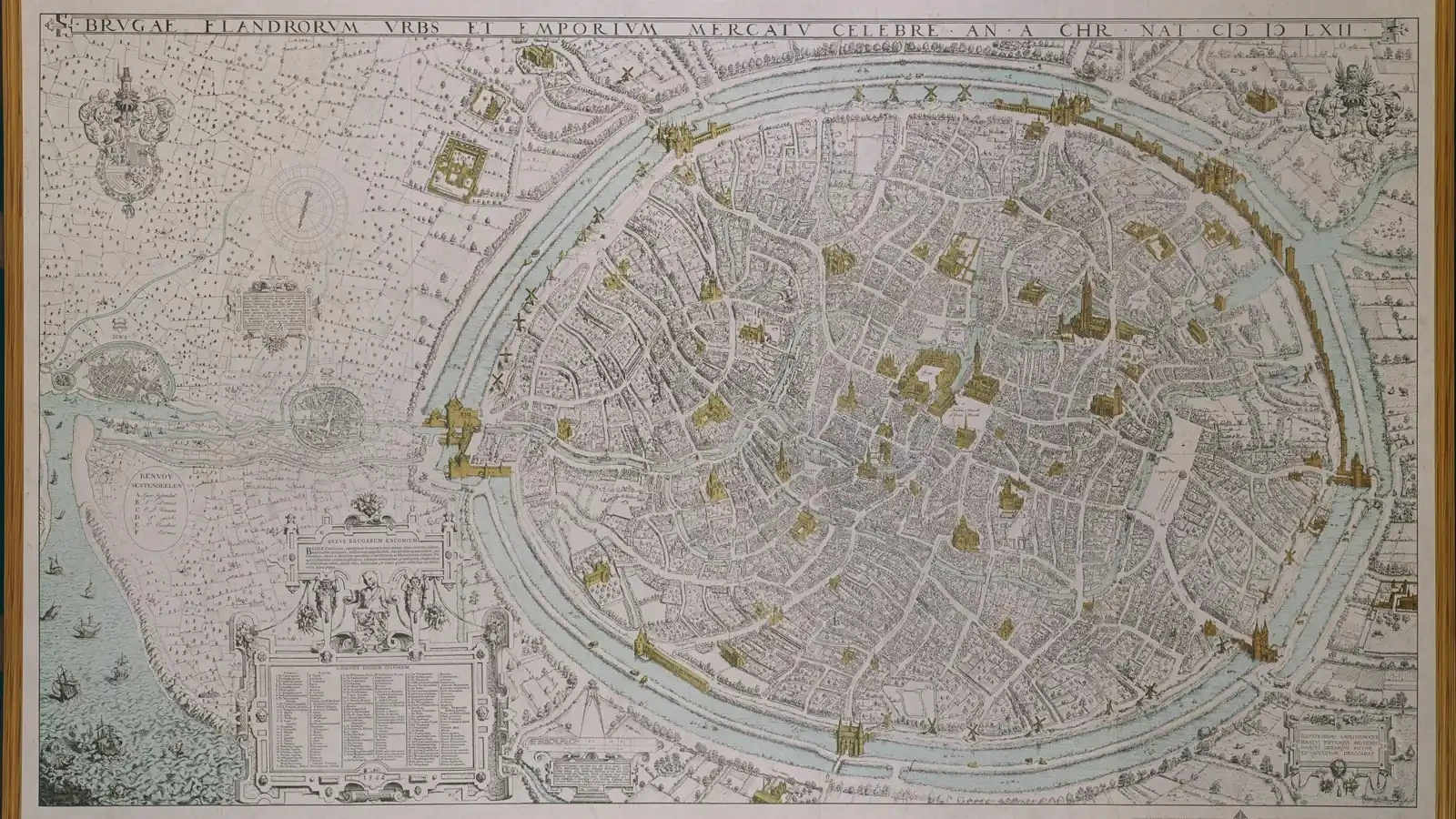
ReadChangeWhy Bruges Lost Its Lead in European TradeWhenEarly Modern PeriodWhereFlandersTrace the interaction of changing waterways, competing markets and political conflict, then read the city’s later map as an argument for its future.TopicsPoliticsTrade
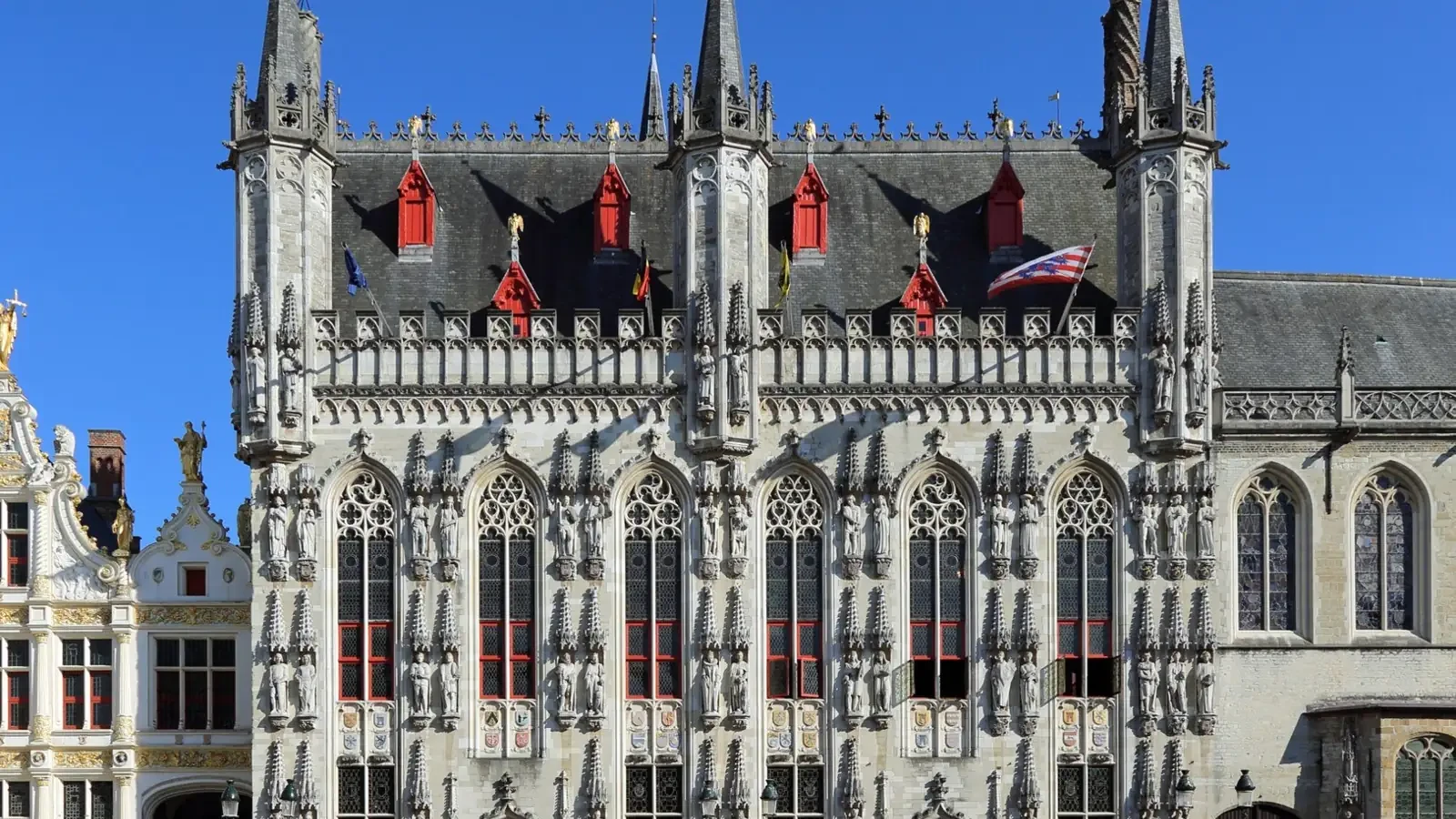
ReadConflictWho Ruled Bruges? Guilds, Merchants and Burgundian PowerWhenLate Middle AgesWhereFlandersExamine Bruges’ civic rights, inequalities within its organised crafts and the confrontation with Maximilian in 1488.TopicsAdministrationPolitics
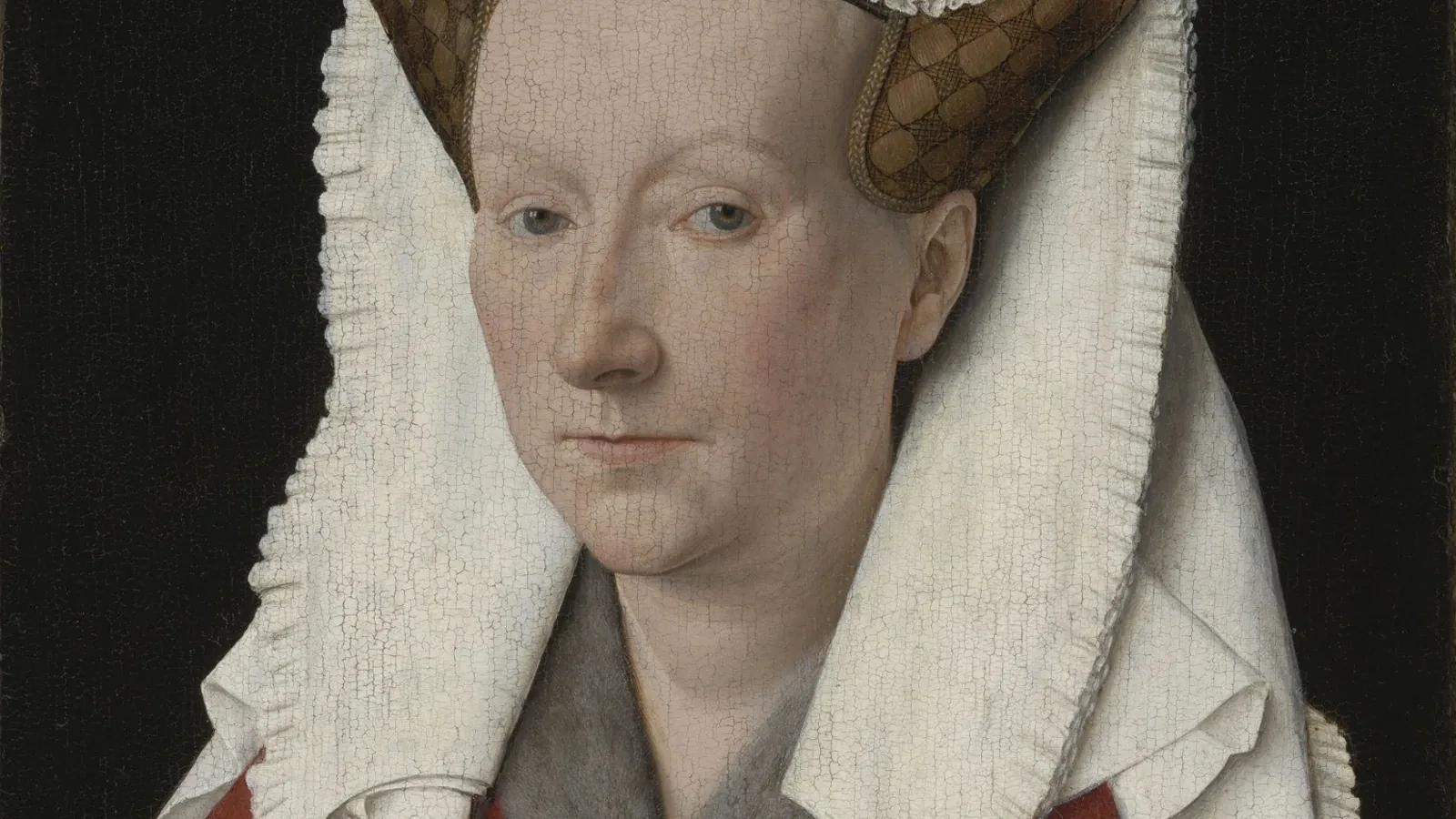
ReadPortraitJan van Eyck: An Artist Between Court and CityWhenLate Middle AgesWhereFlandersFollow the painter’s documented career, examine two portraits and separate what a painting shows from what later viewers have assumed.TopicsArt and PatronageCraft Production
ReadOrganizationThe Hanseatic Merchants of BrugesWhenEarly Modern PeriodWhereFlandersExplore the Hanse’s Bruges trading community through privileges, surviving charters and a dispute involving an extraordinary cargo.TopicsAdministrationPolitics
ReadEveryday LifeWorking in Medieval Bruges: Cloth, Markets and HouseholdsWhenHigh Middle AgesWhereFlandersLook beyond the finished cloth to the spinning, weaving, selling and household resources that shaped working life in medieval Bruges.TopicsCraft ProductionSocial Status
ReadExplanationHow Trade Worked in Medieval BrugesWhenHigh Middle AgesWhereFlandersFollow the practical links between hostellers, moneychangers, local markets and merchant privileges that made trade possible in medieval Bruges.TopicsAdministrationSocial Status
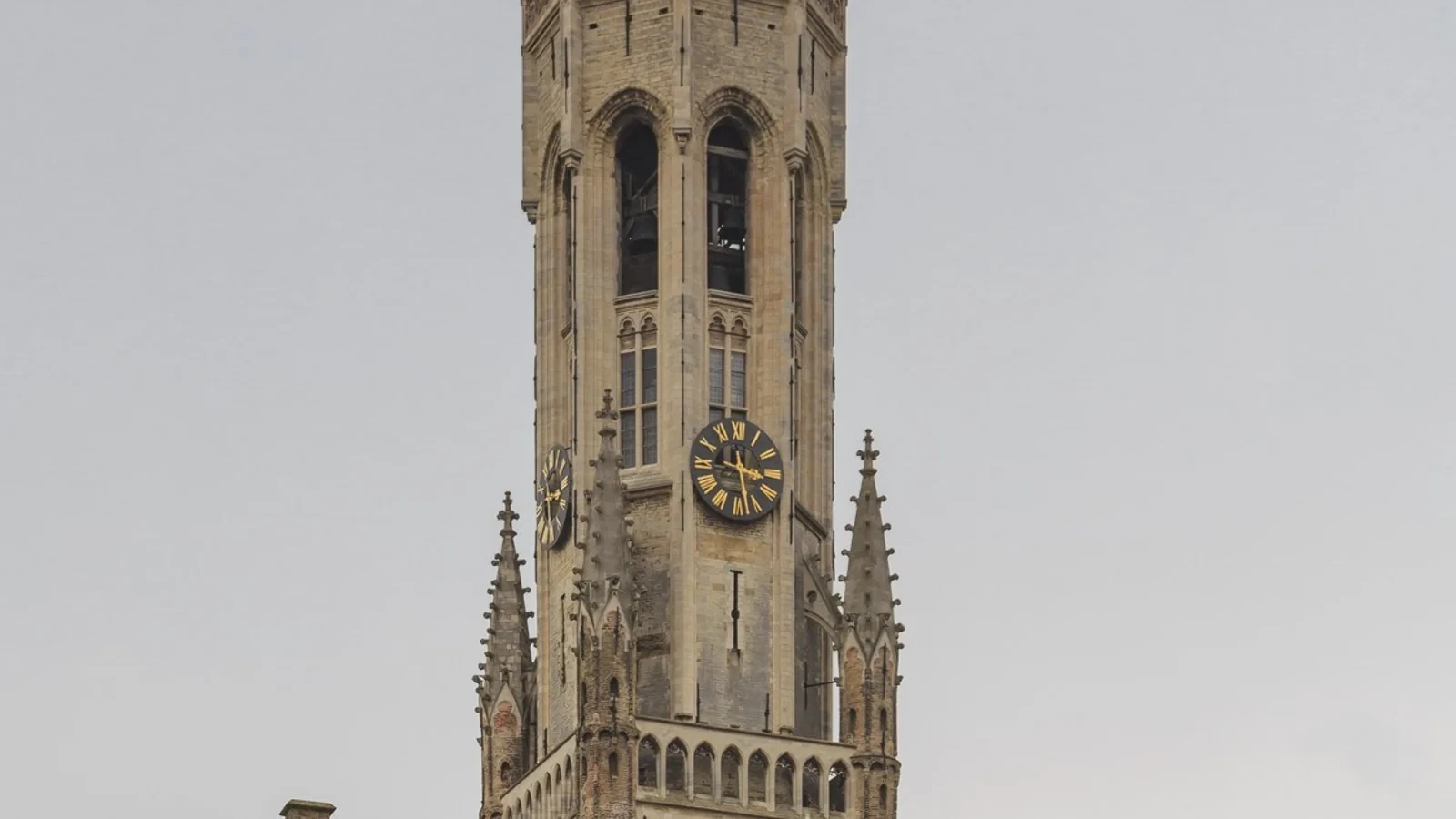
ReadPlaceMedieval Bruges: A Trading City Built Around WaterWhenHigh Middle AgesWhereFlandersExplore medieval Bruges through its waterways, outports and working spaces, and discover why its famous skyline tells only part of the story.TopicsTradeUrbanism
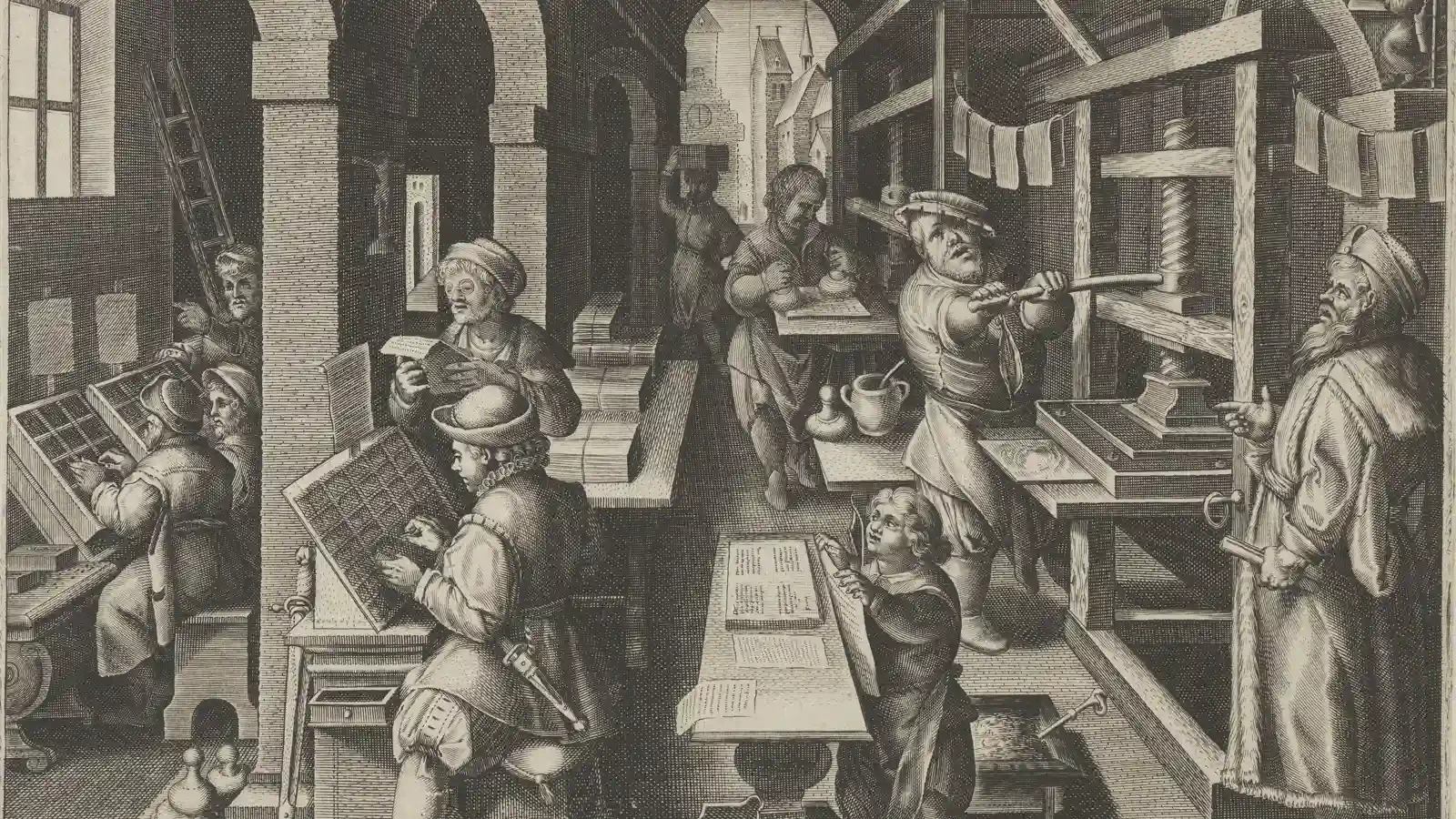
ReadEveryday LifeInside a Renaissance Print Shop: The Work Behind a BookWhenEarly Modern PeriodWhereLow CountriesSetters, correctors and press workers turned loose letters into books. Their repeated tasks left traces you can still read.TopicsCraft ProductionPrinting
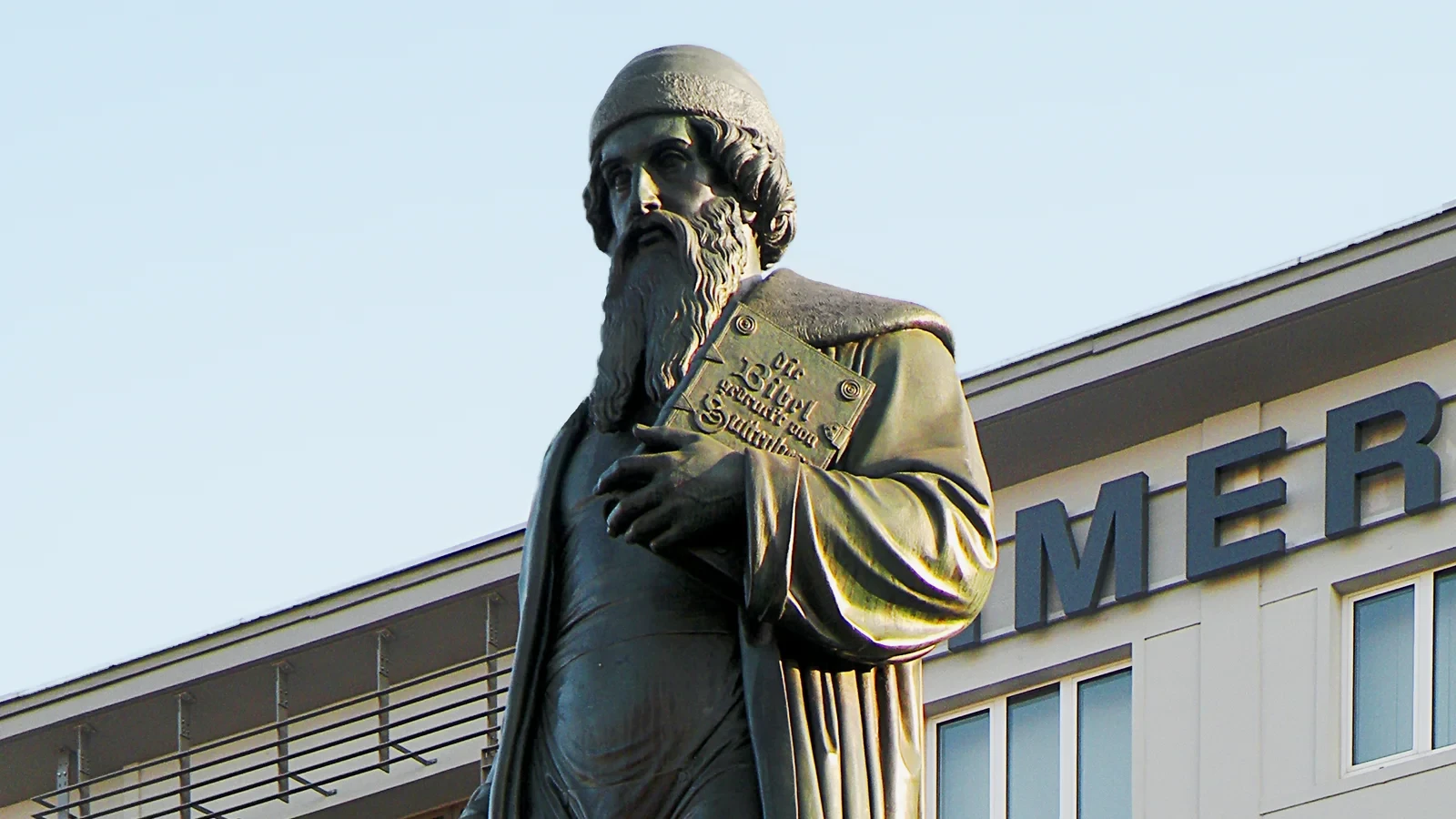
ReadPortraitJohannes Gutenberg: The Man Behind a Costly EnterpriseWhenLate Middle AgesWhereAlsaceLoans, partnerships and a disputed account reveal a printing pioneer whose work depended on much more than an invention.TopicsCraft ProductionPrinting