Explore history

Story paths

Follow a bigger question through connected stories, places and evidence.

Remember where you left off

Track completed stories and continue Story Paths across visits.

Reading progressOffReading progress is not being tracked.
Filter by

10 paths · Showing 1–6

STORY PATH

4 chapters

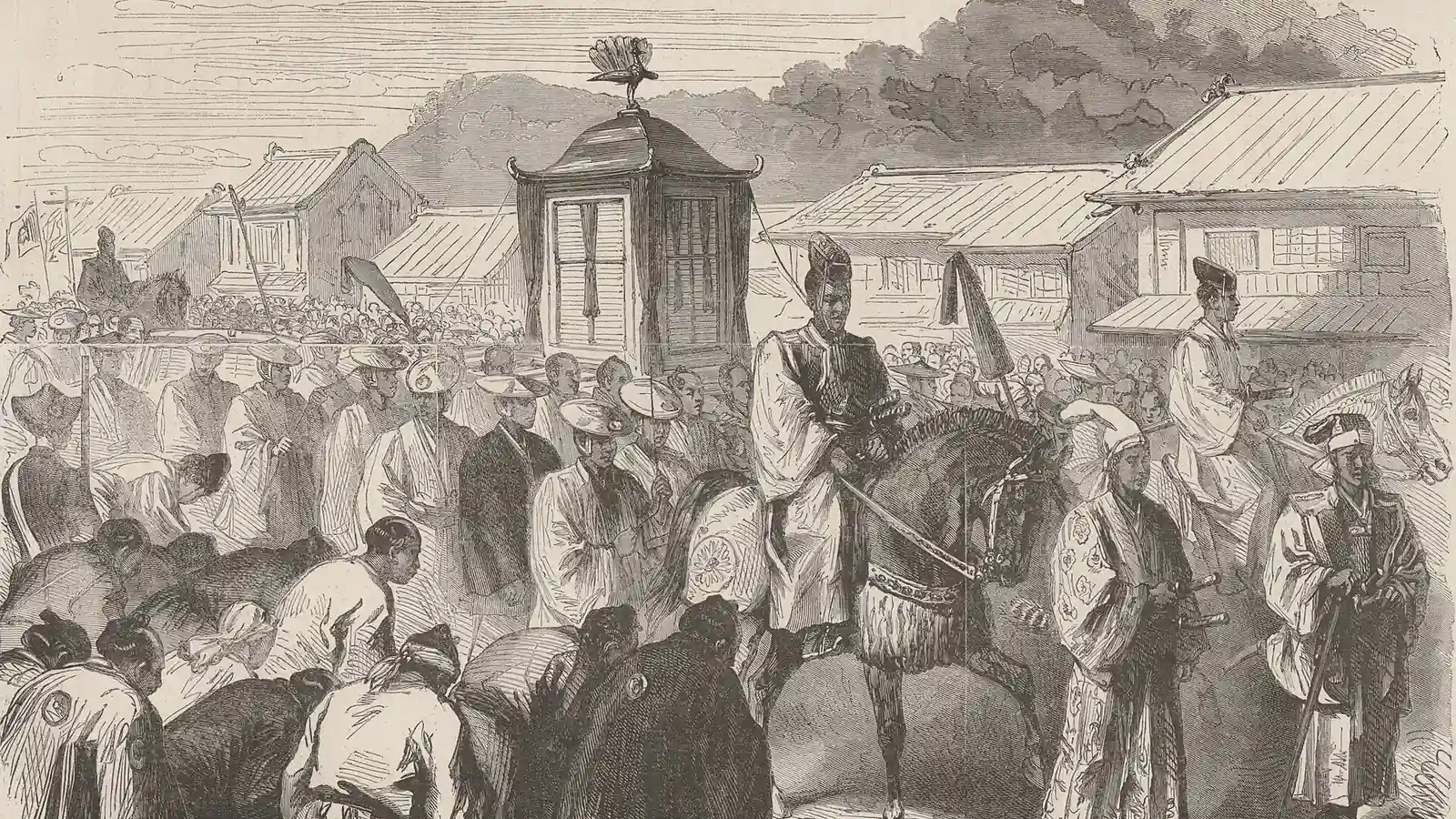
Japan’s Meiji Transformation

How did Meiji Japan change—and who carried the costs of that transformation?

A new state, a changing capital and an industrial economy—and the people whose work made transformation possible.

STORY PATH

8 chapters

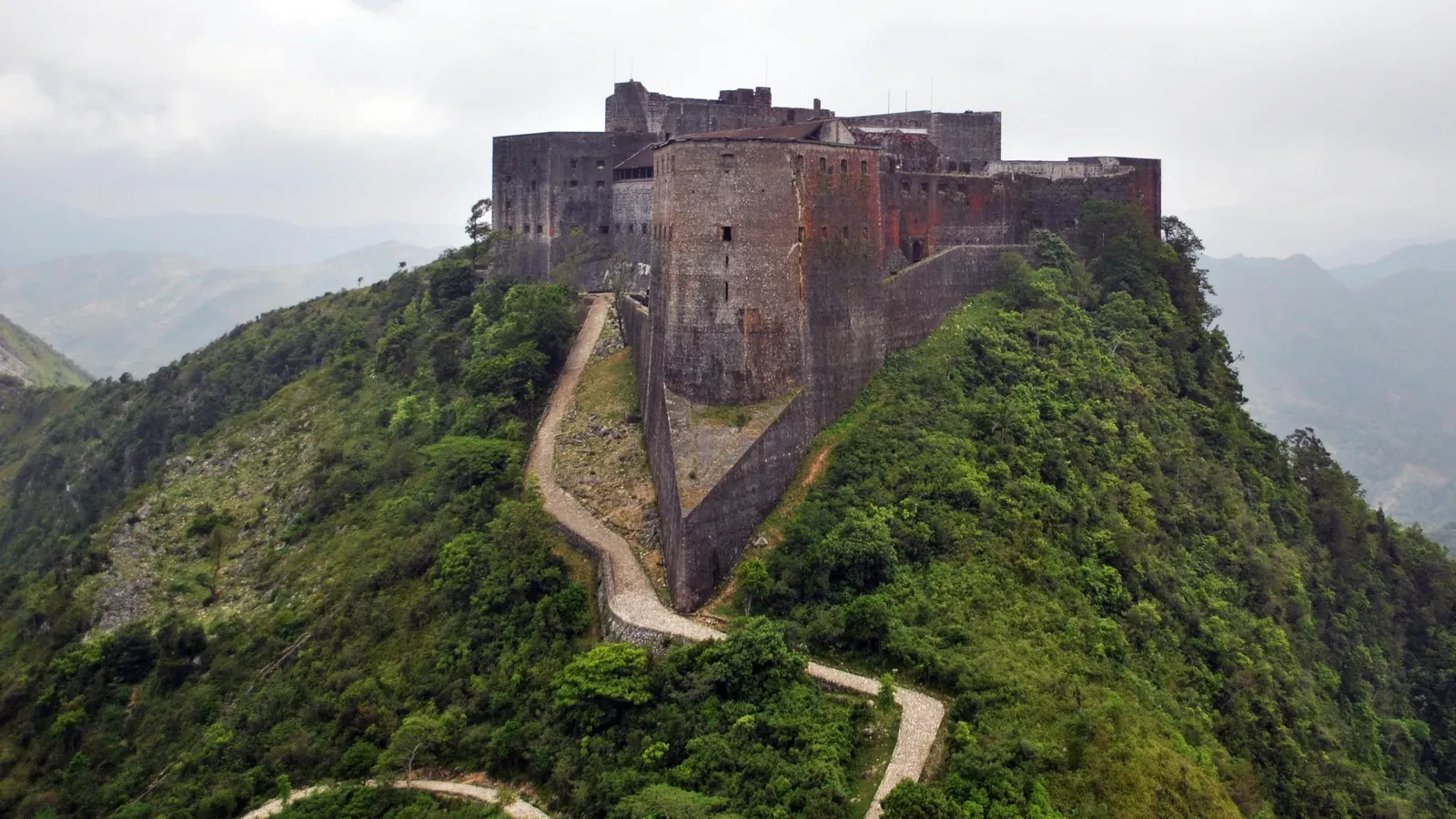
Freedom and Revolution in Haiti

How did a slave colony become independent—and why did freedom remain contested afterwards?

From plantation slavery to independence—and the continuing struggle to make freedom secure.

STORY PATH

8 chapters

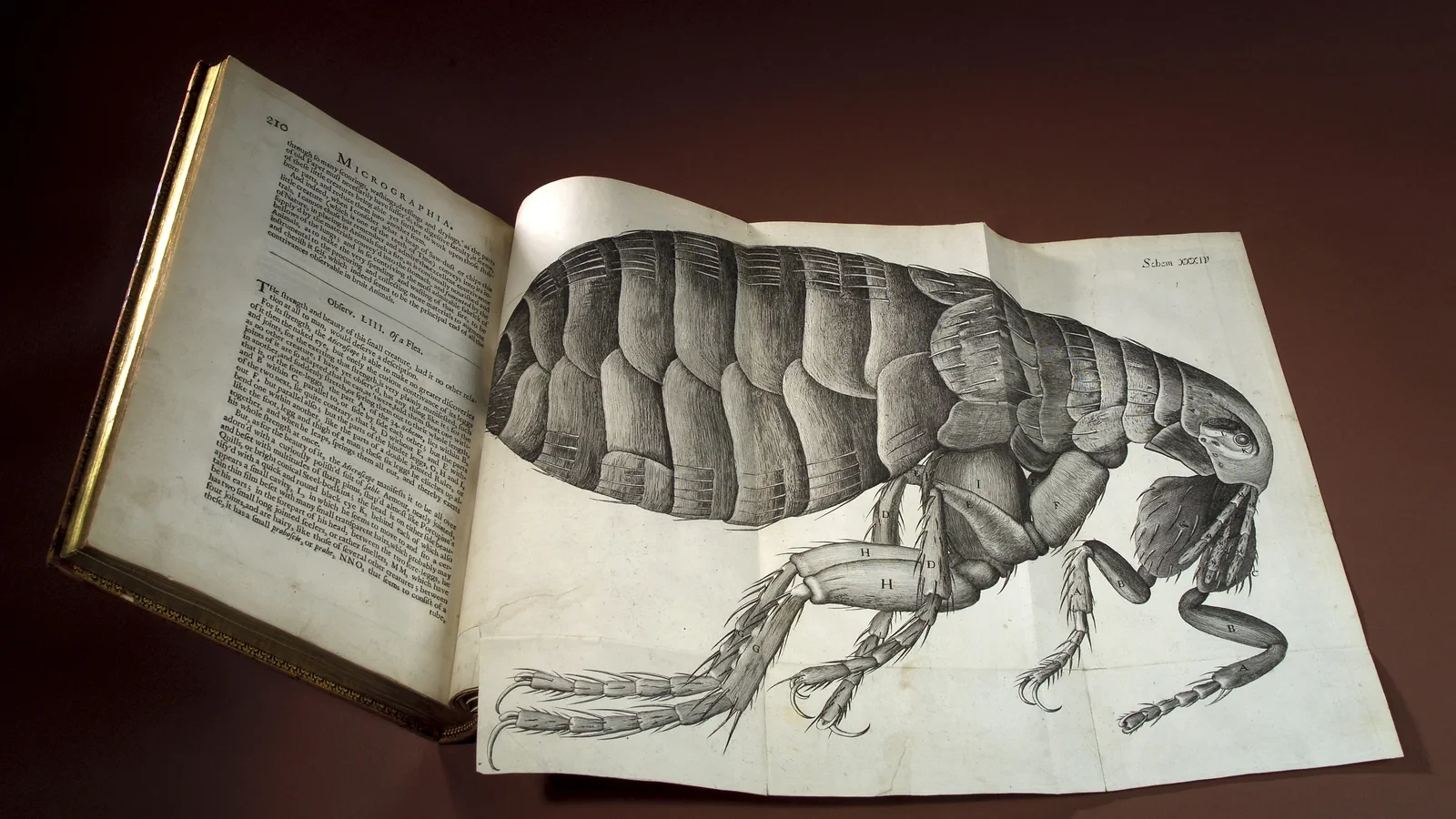
Seeing and Testing: Early Modern Science

How did observations become credible knowledge—and who received recognition?

A telescope, an anatomical image or an experiment did not make a claim persuasive by itself. Follow how early modern investigators made knowledge through instruments, skilled work, images, correspondence and colonial connections—and how access and recognition remained unequal.

STORY PATH

8 chapters

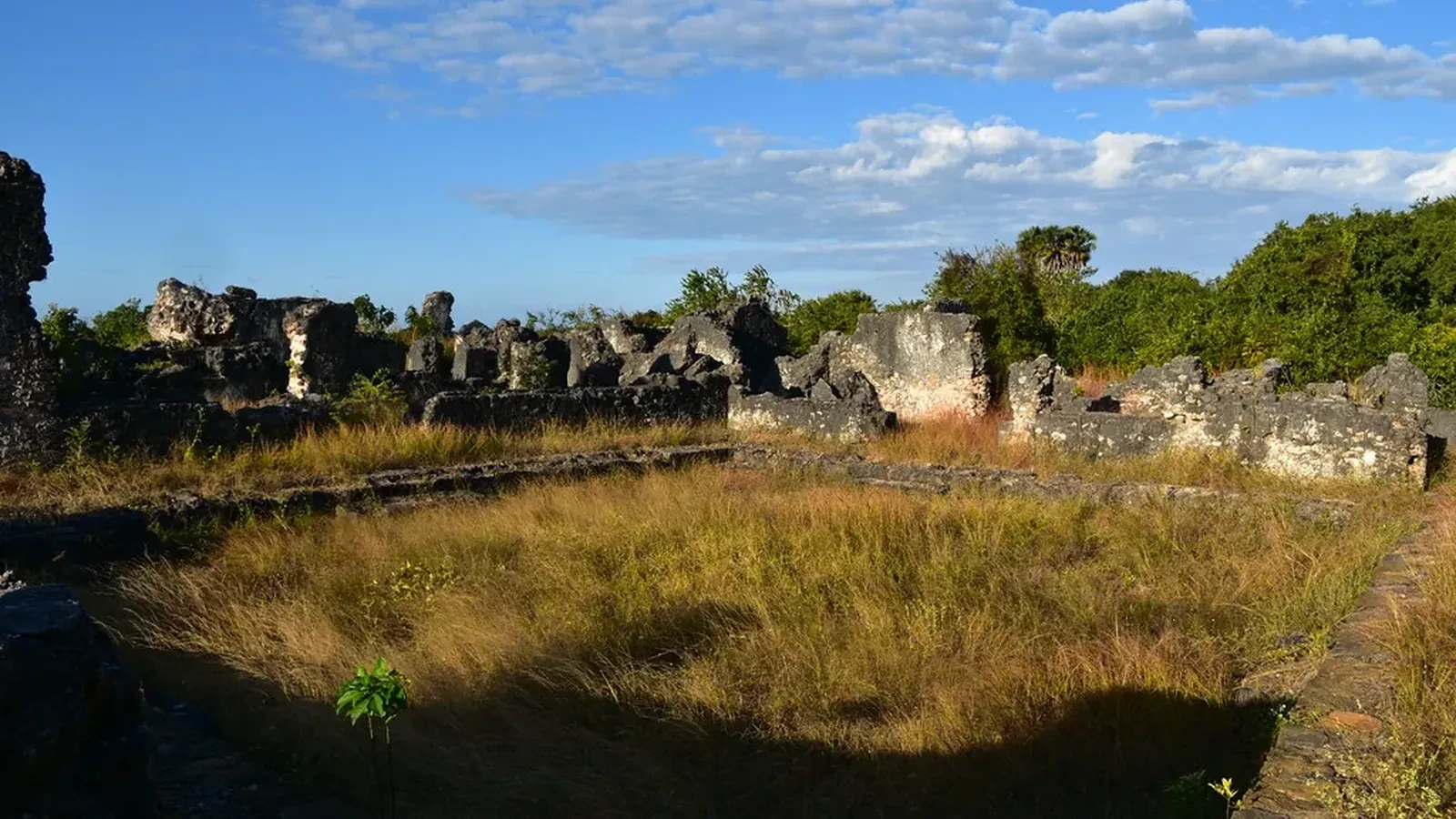
Across the Indian Ocean

How did an ocean connect distant societies long before European predominance?

How an ocean linked distant societies through winds, ports, goods, institutions and unequal power.

STORY PATH

8 chapters

A Medieval City at Work: Bruges

How did trade and work make Bruges wealthy, and who gained influence from that prosperity?

Follow medieval Bruges from its waterways and outports to the transactions, households, merchant communities and artistic work that sustained its prosperity.

STORY PATH

8 chapters

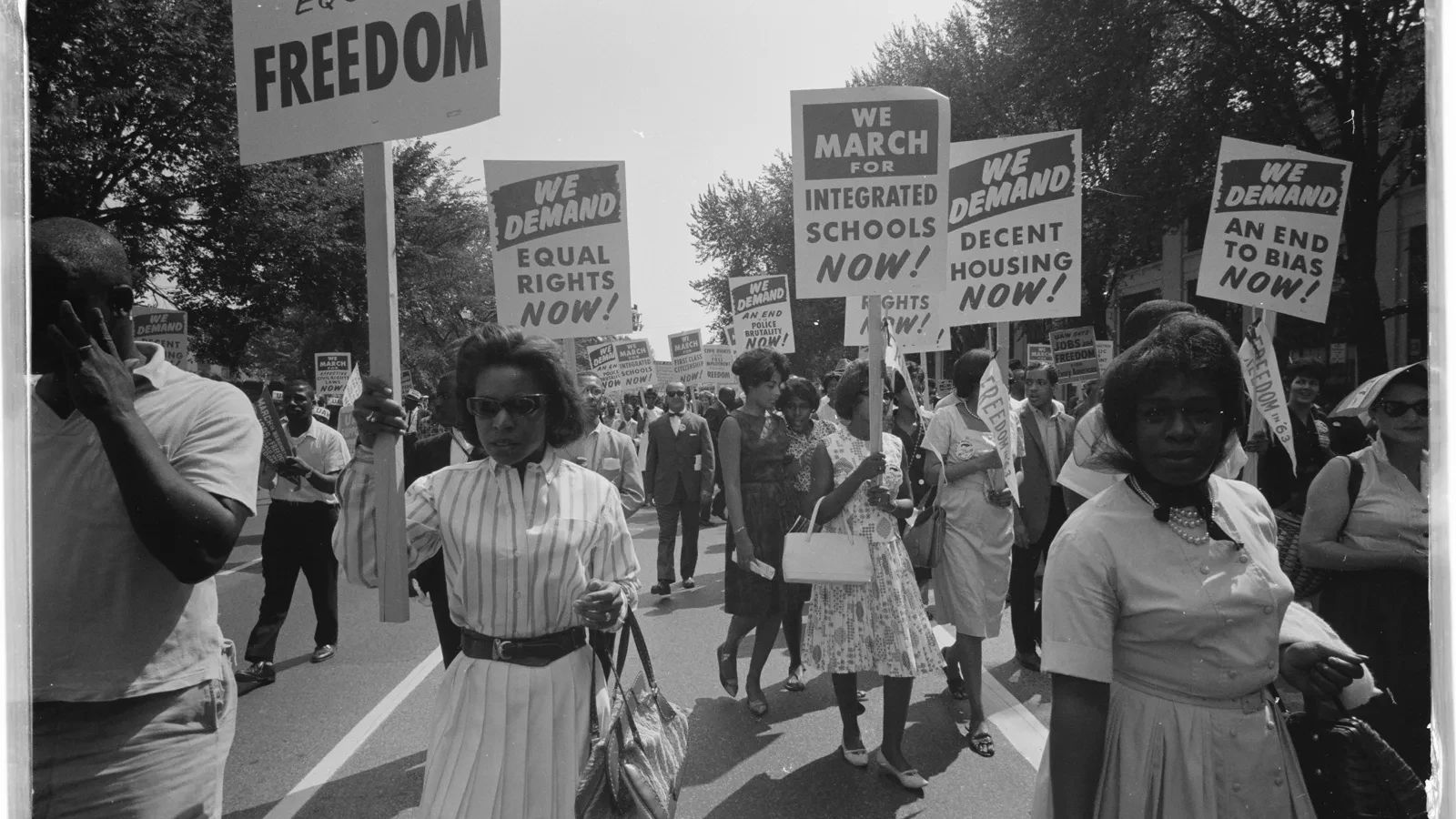
Civil Rights in Action

How did organised action turn demands for equality into change?

From Jim Crow and Rosa Parks to Montgomery, SNCC and Selma, follow how organised action won civil rights change—and why the work continued.

Page 1 of 2

Keep exploring

A different way into the past.

Follow a connection, find a place, or let a new question lead the way.

Discover a single story

Start with something small.

A place, an object, an everyday problem. Find a small story that opens up a bigger picture.

The ChronoAtlas

Put the stories on the map.

Every story happened somewhere. Explore the places and periods behind the people, objects and ideas.

Places · Periods · ConnectionsIllustrative map