In April 1792, a French law declared political equality between free men of colour, free Black men and white colonists. The crucial word was free. The measure attacked a racial barrier within the free population while leaving the institution of slavery standing. Reading the law’s opening makes the difference unmistakable. Expanding citizenship and abolishing ownership of people were connected struggles, but they were not the same legal act.
Saint-Domingue’s society is often divided into white colonists, free people of colour and enslaved people. That outline identifies major inequalities but can become misleading if treated as three internally united teams. Wealth, occupation, birthplace, gender and the experience of enslavement cut across racial labels. To ask who had rights is therefore to ask which right, at what moment, and under whose power.
PLACE & TIME
Where equality met the colonial order
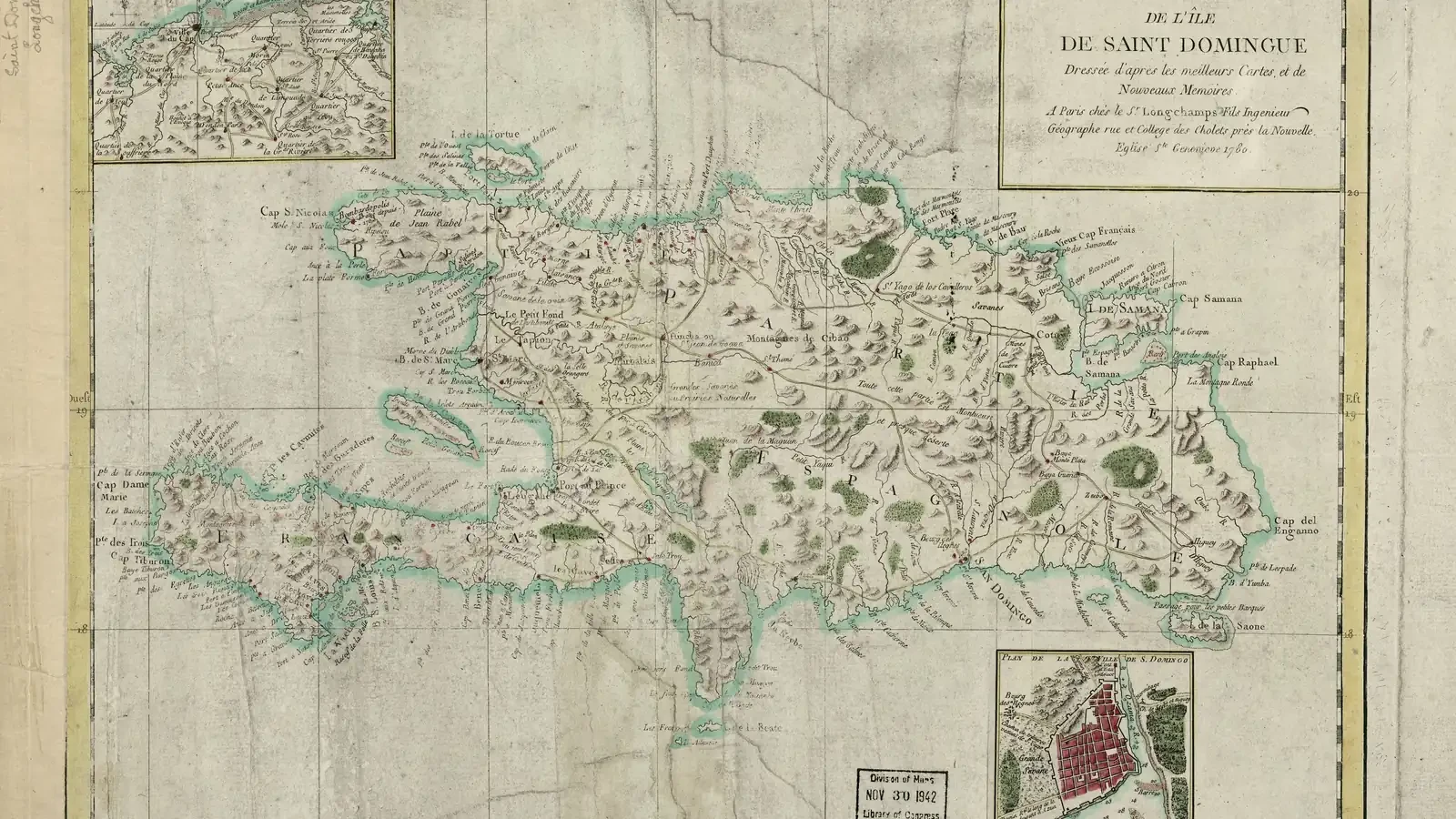
Cap-Français and the wider colony
French Caribbean
1789–1794 CE
The marker locates a political centre, not every site of petition, assembly or coercion.
Freedom was a legal division with material consequences
The Code noir recognised and regulated the difference between slavery and freedom. Enslaved people could be sold and subjected to another person’s legal claims; their independent control over possessions and contracts was restricted. Manumission could change a person’s formal status. The edict’s final articles describe release from slavery and the standing of freed people. The existence of a route out did not make the system voluntary or make release available on equal terms.
Free people of colour included people born free and people who had obtained freedom. They also included Black and mixed-ancestry people whose histories did not fit a single origin story. Some possessed land and substantial wealth; others did not. Their legal freedom mattered enormously, but it did not protect them from a growing and contested structure of racial discrimination. Treating everyone outside the white population as enslaved erases this part of the conflict.
KEEP THE DISTINCTION
Four questions reveal more than one label
Legal status
Could this person be owned, transferred or compelled as an enslaved person?
That skin colour by itself identifies the answer in every case.
Property
What assets or claims did the person possess, and who worked to sustain them?
That a person facing racial discrimination necessarily opposed slavery.
Political standing
Could this person participate in the particular election, assembly or public office?
That wealth or freedom necessarily supplied equal political admission.
Practical power
Who could enforce a claim, obstruct it or punish its exercise?
That a right on paper operated without resistance or danger.
An excluded owner could still defend ownership of others
Some free people of colour were slaveholders. That fact complicates a simple division between people who benefited from the colony and people who challenged it. A landowner might demand protection from racial exclusion while continuing to claim the labour of enslaved workers. The claim could oppose an injustice in the free population and preserve another relationship of domination. Different movements towards equality could therefore overlap without having identical aims.
White colonists were divided too. Wealthy owners, merchants, artisans and people with much less property did not hold the same economic position. Conflicts over commercial policy, local authority and relations with France could turn them against one another. Whiteness could nevertheless be invoked as a basis for excluding other free people. A shared racial advantage did not erase economic disagreements, just as economic disagreement did not automatically undo racial privilege.
KEY IDEA
A person could be denied equal citizenship and still possess claims of ownership over enslaved people.
Women’s position adds another necessary distinction. Women could appear in the records as owners, workers, family members, traders or fugitives. Those roles involved material influence and vulnerability. They did not mean women enjoyed the same political participation that revolutionary legislation addressed through male citizenship. Calling a change “equality” without identifying its subjects can make the people still excluded disappear from the account.
The Declaration of Rights opened an argument
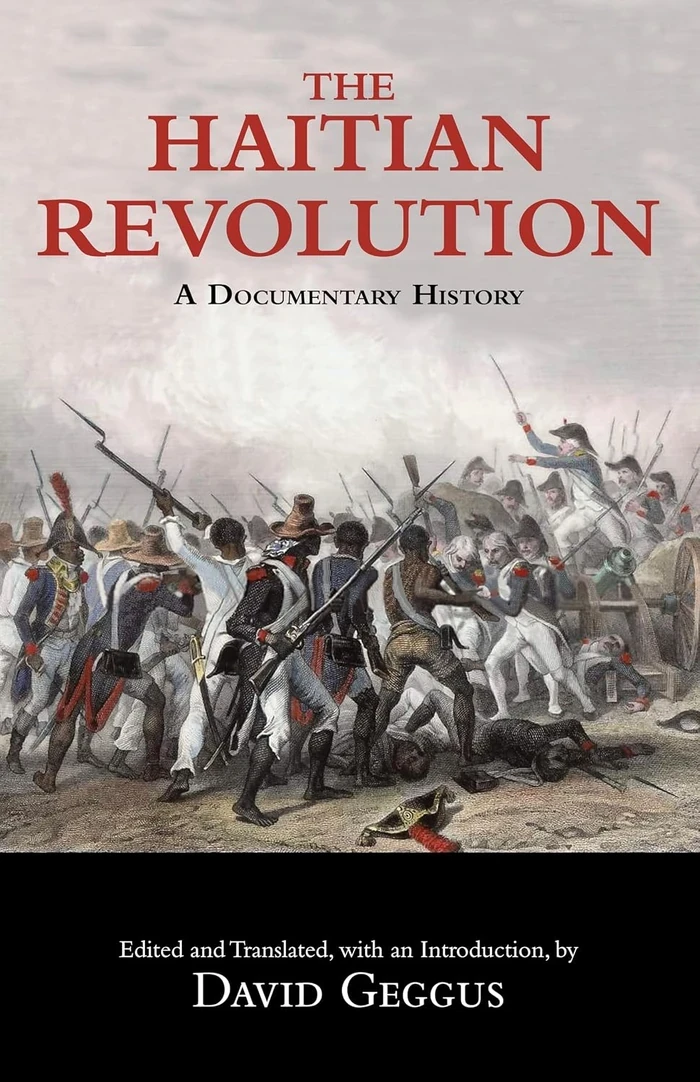
The French Declaration of the Rights of Man and of the Citizen, approved in August 1789, announced equality in rights and located sovereignty in the nation. It also protected property. These principles supplied powerful language for competing claims. In a colony where people were themselves treated as property, the language could not be applied without confronting what ownership was permitted to include.
Colonial defenders of slavery resisted the implication that universal freedom should apply to the people producing their exports. Some sought extensive local autonomy while preserving plantation domination. Free people of colour could insist that the revolution’s principles required their admission to citizenship. Enslaved people had an even more fundamental stake: whether the law would continue to recognise an owner’s claim over their bodies and work.
FOLLOW THE PROCESS
A principle had to pass through institutions
Make a claim
A petition or political argument identified whose equality was being demanded and against which exclusion.
Define the eligible people
A decree could include one category while leaving another outside its protection.
Obtain a decision
Metropolitan legislators and colonial authorities disputed who could determine the rule.
Make the change effective
Opposition within the colony could prevent a written decision from becoming dependable political access.
Distance mattered. News, petitions and legislation crossed the Atlantic, while people in the colony acted before the next decision arrived. Neither Paris nor a colonial assembly possessed uncontested control over events. The result was a struggle over jurisdiction as well as rights: who could decide what the revolution meant in Saint-Domingue, and whose decisions would be obeyed?
The crisis deepened before the law of 1792
The campaign associated with Vincent Ogé illustrates the difference between claiming free citizenship and leading general emancipation. His armed challenge in 1790 pressed the rights of free men of colour. Defeat and his execution in 1791 exposed the violence that could defend racial exclusion. He did not lead the mass slave uprising of August 1791. Conflating those events makes the latter look like an automatic extension of an elite campaign.
In May 1791, French legislation admitted a limited group of men of colour born to free parents. The restriction itself is revealing: freedom, descent and political standing were being separated within the free population. Colonial resistance and subsequent reversal meant this was not a dependable settlement. The broader law promulgated on 4 April 1792 addressed political equality for free men without using the same free-parentage limitation. Its article II still required the other qualifications governing voting and eligibility. Removing racial exclusion was not universal suffrage.
The new rule did not arrive in a peaceful colony waiting for an administrative correction. The northern slave uprising had already begun, and armed conflicts were changing the balance of power. Commissioners sent from France had to operate within this fractured setting. A law intended to settle equality among free men could not resolve the demands of people fighting the condition of enslavement itself.
Citizenship could expand while ownership remained
The distinction is visible without guessing what every supporter privately wanted. The law’s named subjects were people already free. An enslaved worker did not become free because a neighbouring free landowner gained political admission. The edict governing slavery and the new citizenship rule concerned different legal relations. Their coexistence made the contradiction of the colony sharper, rather than automatically ending it.
General emancipation emerged through further conflict. In 1793 the civil commissioners proclaimed freedom in Saint-Domingue, with Sonthonax’s northern proclamation in August and measures extending through other provinces. On 4 February 1794 the National Convention abolished slavery across the French colonies. Those decisions belonged to an ongoing war, insurgent pressure and changing alliances. They were not a benefit delivered to an inactive population by the first declaration of equality in 1789.
TURNING POINTS
Keep the changes distinct
- 1789
Universal principles
The Declaration announces freedom and equality while colonial slavery remains in place.
- 1791
Restricted admission and mass rebellion
A limited citizenship measure is contested; the northern slave uprising begins in August.
- 1792
Political equality among free men
The April law addresses racial exclusion within free citizenship.
- 1793–1794
Emancipation
Colonial proclamations and the Convention’s abolition transform the legal status of the enslaved.
These are related transformations, not four dates for the same reform.
Belley’s portrait shows a new claim to public standing
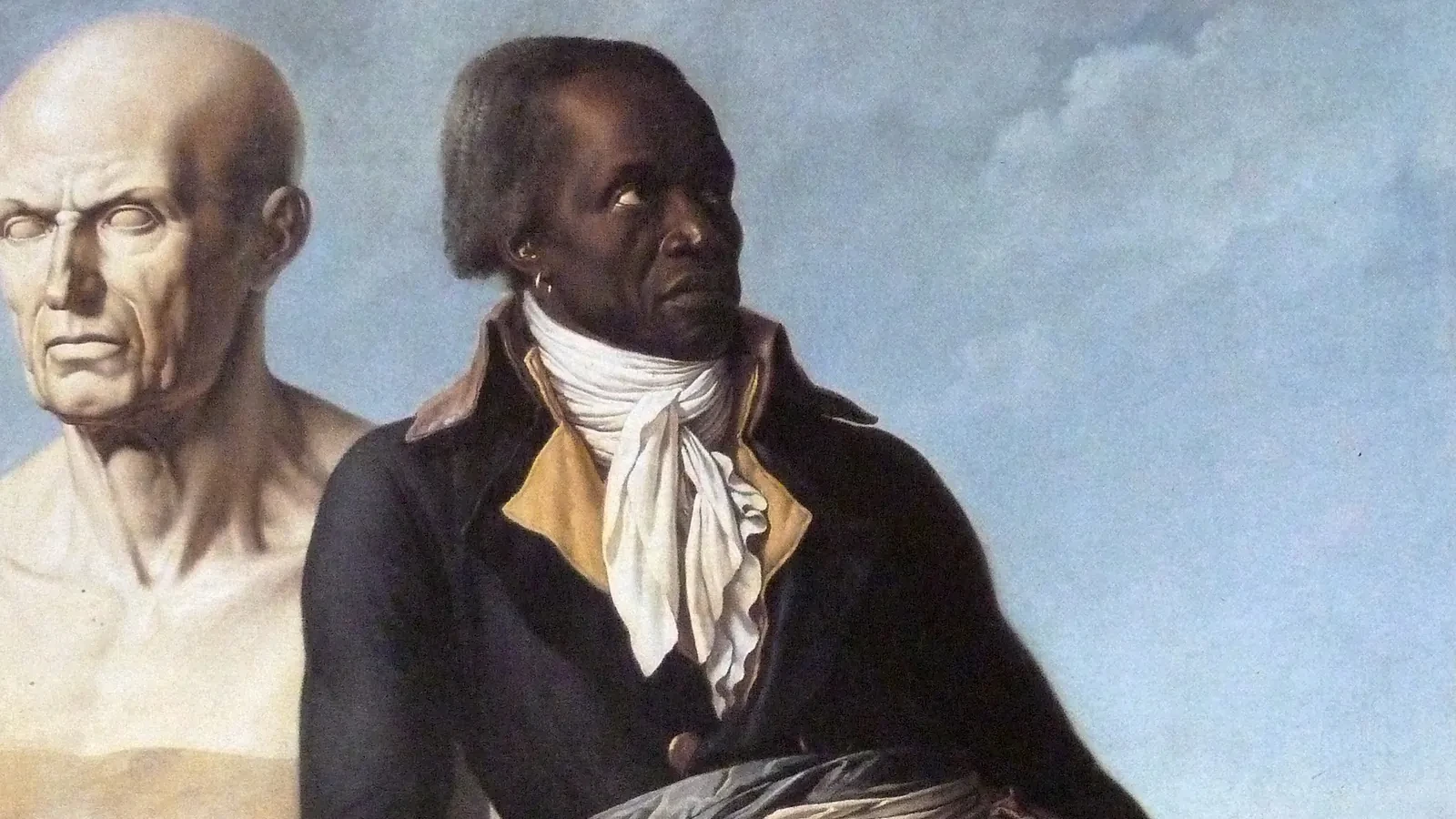
The portrait at the beginning of this article presents Jean-Baptiste Belley, a formerly enslaved deputy, beside a sculpted bust of the writer Raynal. Girodet painted it in 1797, after the changes examined here. The contrast between the living deputy and the bust invites a question about who could embody political thought and authority. The image makes a particular Black representative visible within the world of revolutionary citizenship.
A representative’s visibility does not tell us that everyone enjoyed equivalent power. The portrait is a composed political image, not a census of rights throughout Saint-Domingue. Read beside the laws, it helps us follow a real transformation while retaining its limits. People formerly denied standing could enter public institutions, even as political authority and the control of work remained disputed.
TAKE THIS WITH YOU
Always ask which right changed
Separate status from classification
Free Black people and free people of mixed ancestry were part of colonial society; colour alone does not identify enslavement.
Separate citizenship from abolition
The law of 1792 altered political rights among free men. Emancipation required another transformation.
Follow enforcement
Petitions and laws mattered, but opposition, coercion and armed action shaped what became effective.
The next chapter follows the uprising of 1791 through the northern plantation region. People excluded from the recognised political order were building an armed challenge of their own. The colony’s crisis had become more than a dispute over who might enter its existing assemblies.