
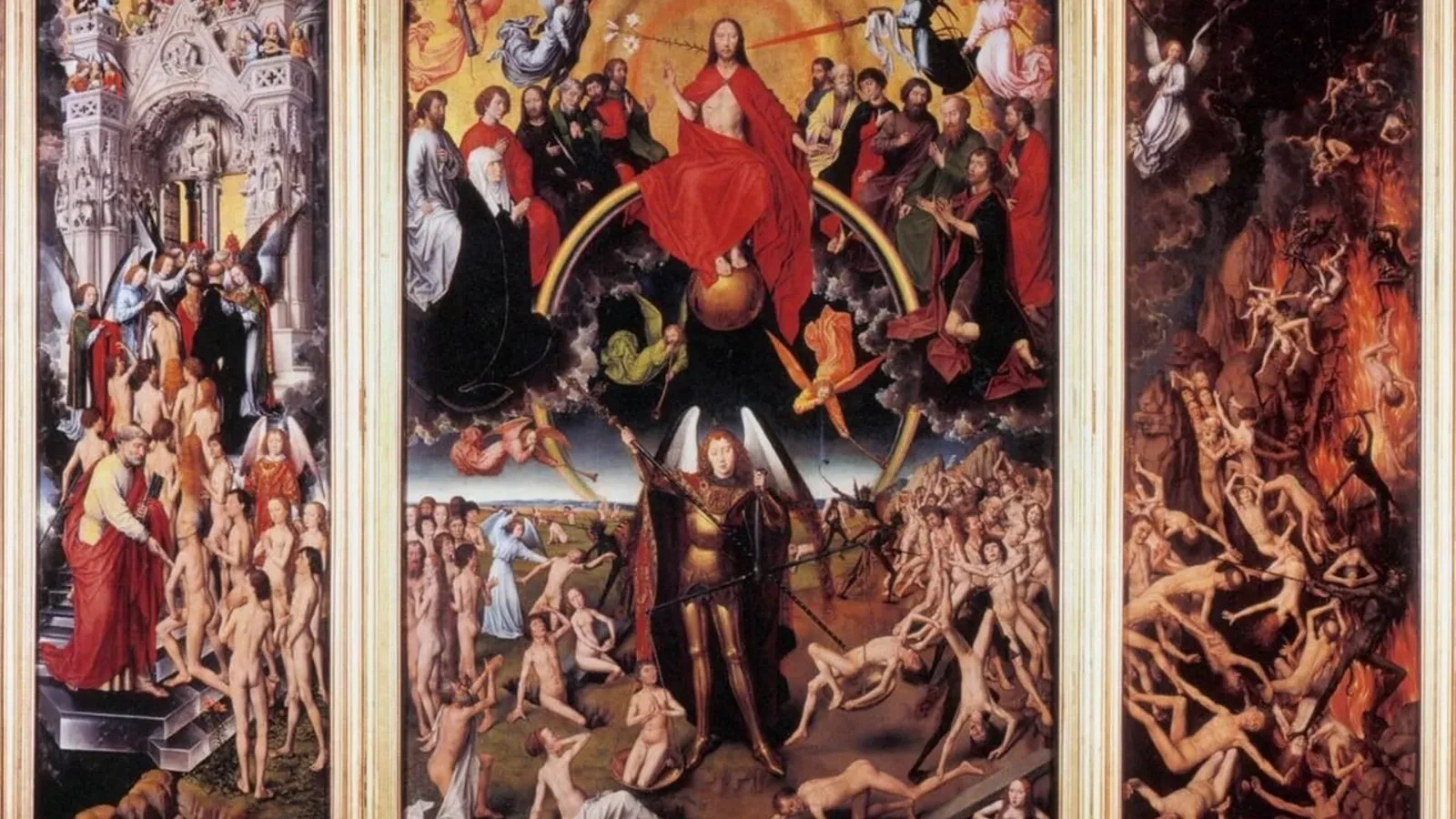
The cargo at the centre of one Hanseatic dispute included a painting that is now a museum masterpiece. In 1473, a ship carrying goods connected with the banker Tommaso Portinari and his family was seized by a vessel commanded by Paul Beneke of Gdańsk. Among the objects taken was Hans Memling’s Last Judgement. The painting’s journey became entangled with a struggle over seizure, compensation and commercial rights.
Surviving documents from the Hanse’s Bruges trading community preserve traces of that prolonged dispute. They reveal an organisation dealing with the consequences of conflict, rather than an effortless network moving goods between friendly ports. A shared commercial identity could help merchants act together. It could also make them participants in disagreements they had not individually created.
PLACE & TIME
A community based in another city’s market
Bruges and its connected settings
Historical County of Flanders · present-day Belgium
1250–1502 CE
Period and setting
Begin with merchants, towns and a host city
The Hanse connected merchants and towns associated with northern European commerce. Its trading community in Bruges belonged to that wider network, but operated inside a city with its own government, inhabitants and trading interests. To understand its influence, keep the network and the local setting in view at the same time.
The organisation was not a modern nation-state or a single incorporated company. Merchants could share collective arrangements without all their activities becoming one business. A common commercial position still required decisions about representation, obligations and relations with the authorities of the place in which they traded.
WORDS TO KEEP APART
Three terms for the relationships
Hanse
A changing association of merchants and towns involved in northern European trade.
Kontor
A principal foreign trading community of Hanseatic merchants; the term denotes an organisation, not merely a building.
Privilege
A granted or confirmed right whose practical value depended on its recognition and enforcement.
Bruges had good reasons to attract foreign commerce, but welcoming merchants did not settle every question about their rights. A host city could benefit from visiting businesses while disagreeing with them about charges or obligations. Collective organisation gave the merchants a way to pursue matters that extended beyond one person’s next purchase.
A trading community did not eliminate local connections
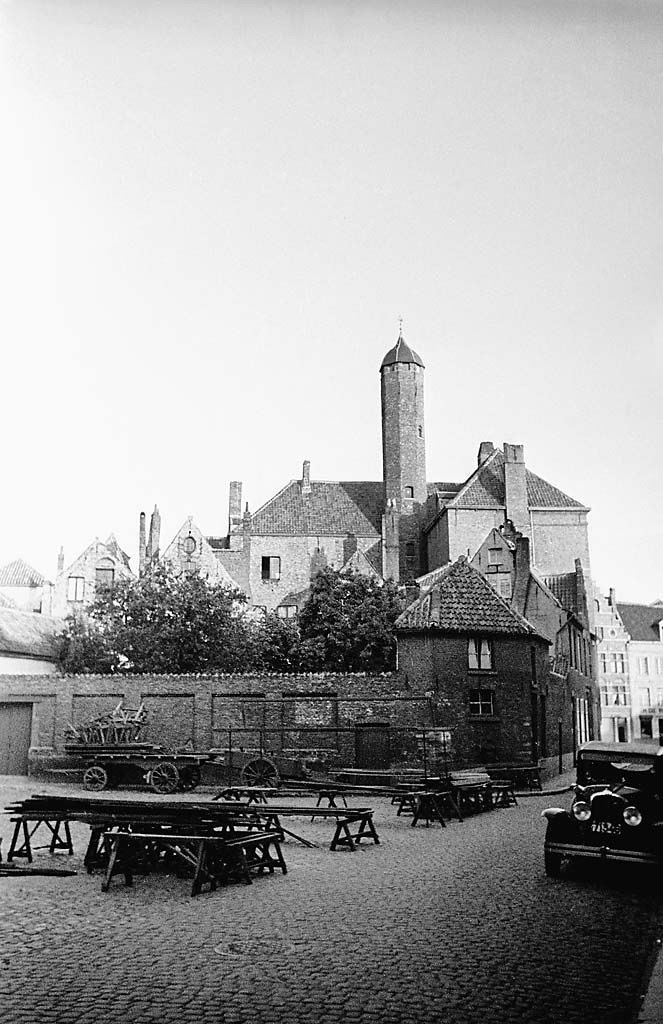
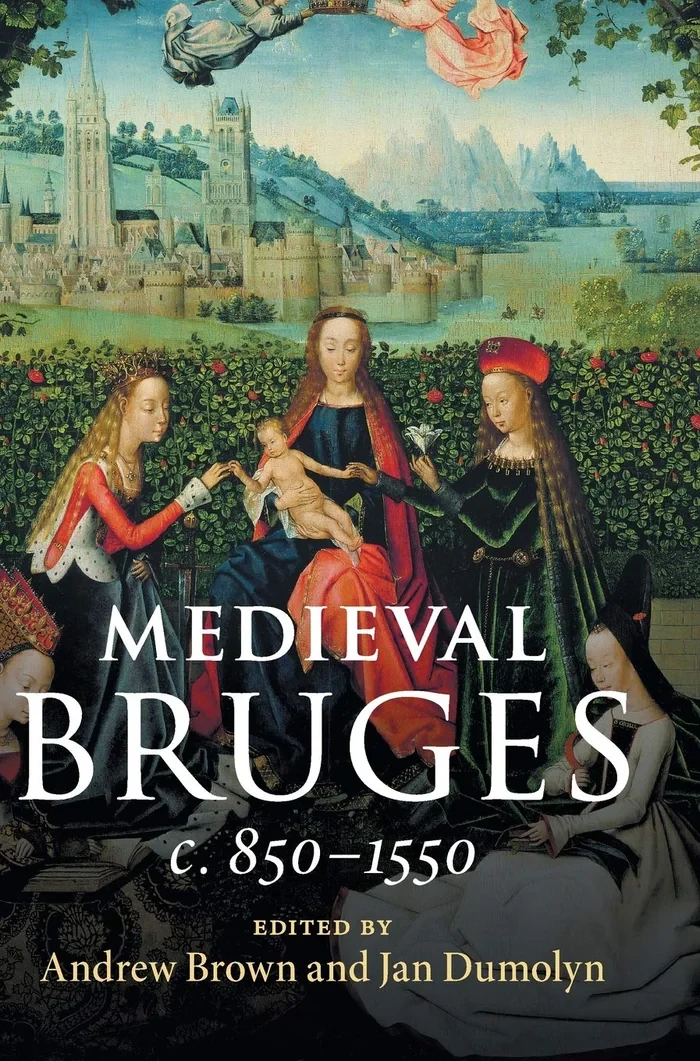
An organised foreign community still needed people familiar with the city. Research discussed in a review of James M. Murray’s study emphasises the role of hostellers: they could help connect visiting merchants with local commercial and legal arrangements. Collective privileges and personal introductions solved different problems.
Other foreign groups also established themselves in Bruges. Jan Verheyen’s research identifies the residences and networks of Lucchese merchants around 1390–1430. These findings make the city’s international character more specific. Different communities occupied particular streets and relationships; they did not simply dissolve into a single undifferentiated foreign population.
COMPARE
Two scales of commercial organisation
Finding local assistance
Who can introduce a buyer or help handle an obligation?
What arrangements make the city attractive to members over time?
Securing a transaction
Will this customer or intermediary honour an agreement?
Will the authorities recognise the community’s rights?
Responding to trouble
What can be recovered in this particular case?
Does a dispute affect the position of the group as a whole?
The Burghers’ Lodge provides a reminder that local elites also created spaces for meeting partners. The city’s building history dates its construction to 1395–1417. Buildings and organised communities could make relationships visible, but there was no single institution that contained all Bruges commerce.
Hans Memling · Public domain · resized jpeg reproduction.
Read the charter dates as evidence, not a foundation story
The surviving collection presented in UNESCO’s Hanse documentary nomination contains twenty-six Bruges documents dating from 1458 to 1502. The archival description identifies privileges, settlements and commercial disputes. Those dates mark this preserved collection, not the first and last years in which Hanseatic merchants used the city.
That distinction matters because an archive rarely preserves an organisation in equal detail across its history. One document can establish that a particular negotiation occurred. The absence of another from a selected dossier cannot by itself establish that no comparable activity happened earlier. A documentary window needs to remain a window, rather than becoming an invented lifespan.
IN TIME
Selected documents, different kinds of leverage
- 1458
An agreement about premises
A document concerns the right to acquire or establish a building for the trading community.
- 1487
Confirmation of commercial rights
A privilege issued by Maximilian concerns rights at four staple markets.
- 1502
Negotiation over a charge
A later agreement concerns a reduced excise duty on Rhenish wine.
This sequence follows the preserved Bruges collection. It is not a complete chronology of the Hanse.
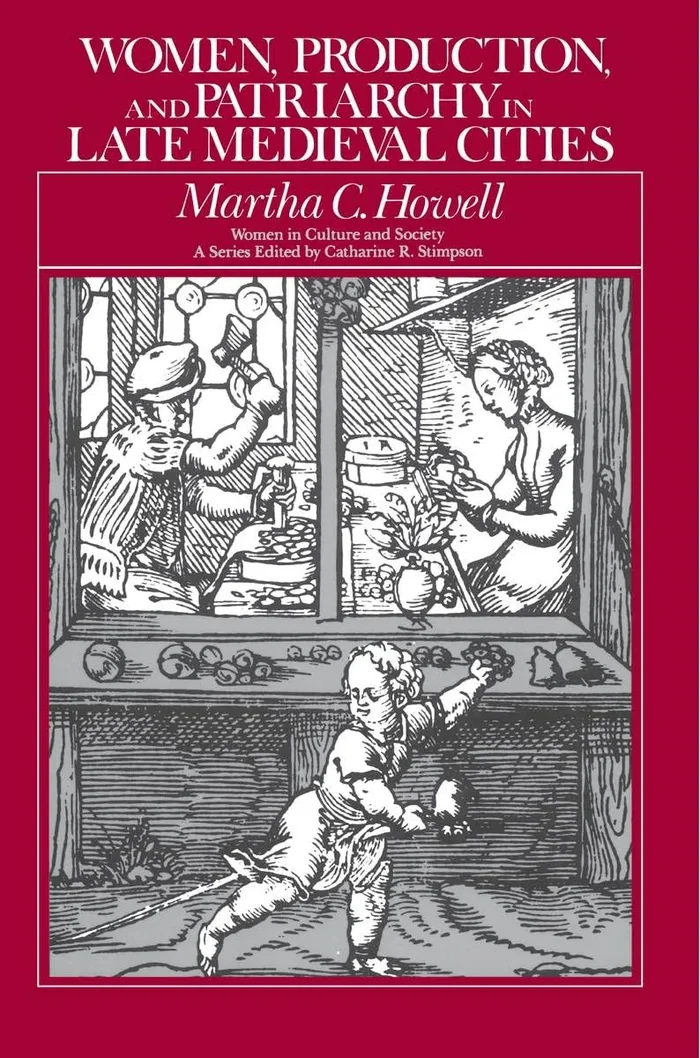
The matters are concrete: premises, recognised trading rights and the cost of bringing a commodity into the market. They show collective influence operating through specific arrangements. “Power” here means an ability to seek useful terms and preserve them in an authoritative form, rather than simply possession of money.
A seized cargo tested the reach of those arrangements
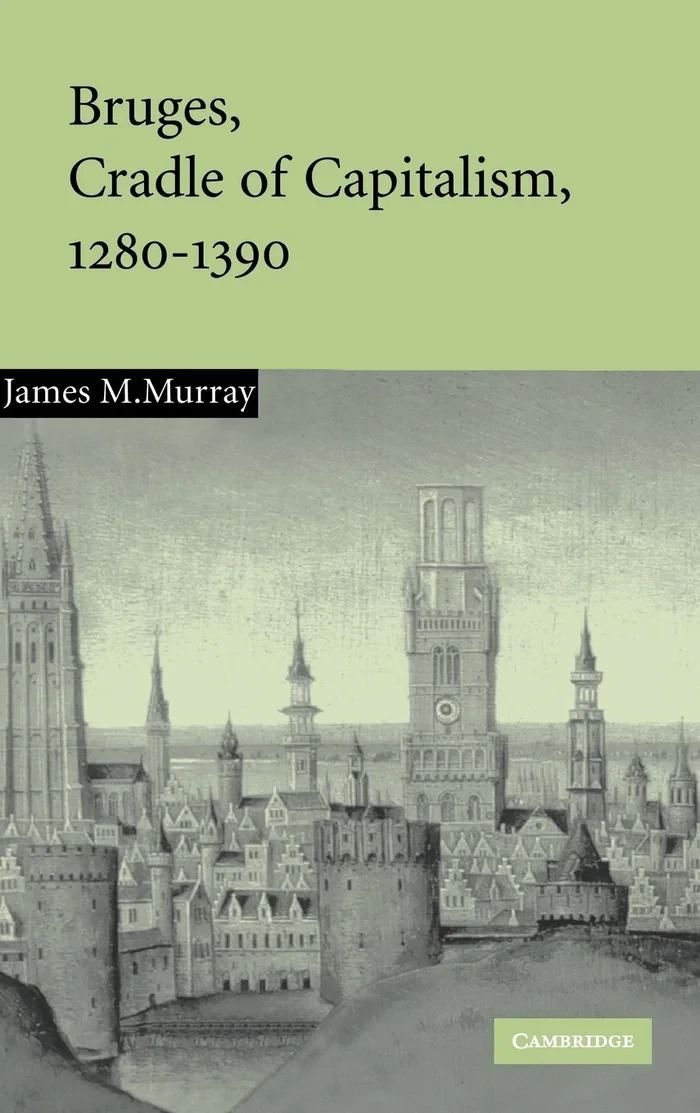
The 1473 seizure connects Bruges with disputes elsewhere in the network. The European Hansemuseum’s account of the collection identifies Portinari’s goods and Memling’s painting. The Last Judgement is now in Gdańsk. Its presence there preserves a consequence of the seizure, not proof that the original trading transaction was completed as intended.
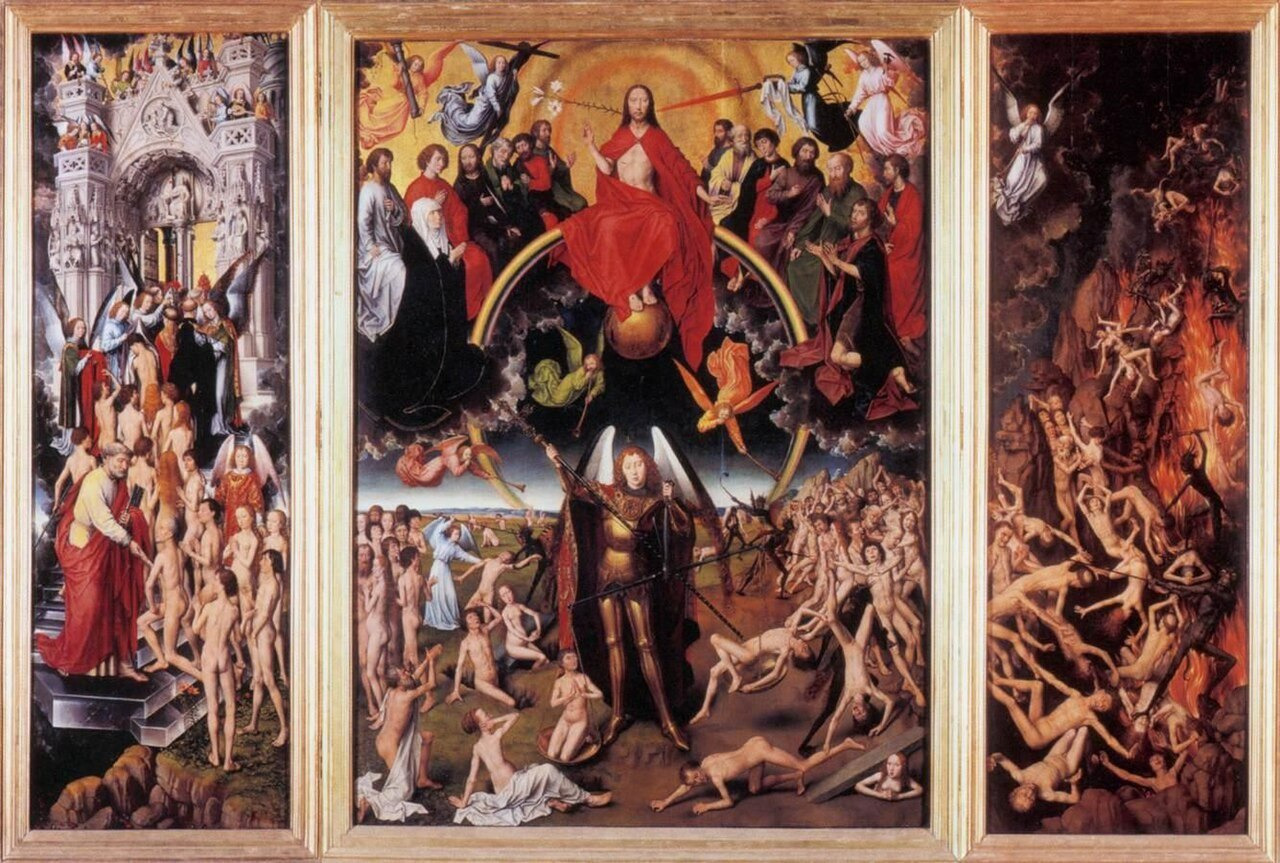
Portinari sought compensation, and the surviving material records a dispute lasting well beyond the initial event. The nominated archive includes documents associated with an award in 1496 and subsequent correspondence. An obligation could survive on paper while obtaining a satisfactory resolution remained difficult. The existence of commercial institutions did not remove the risks of force or competing authority.
KEY IDEA
Commercial connections extended responsibility beyond one transaction or one harbour.
The painting makes the dispute memorable, but ordinary cargo faced the same broad problem of distance between possession and entitlement. A claimant might have reasons to demand property or compensation while someone elsewhere controlled the goods. The necessary institutions and negotiations could be much harder to see than the object that survived.
Hans Memling · Public domain · resized jpeg reproduction.
Why preserve a document carefully?
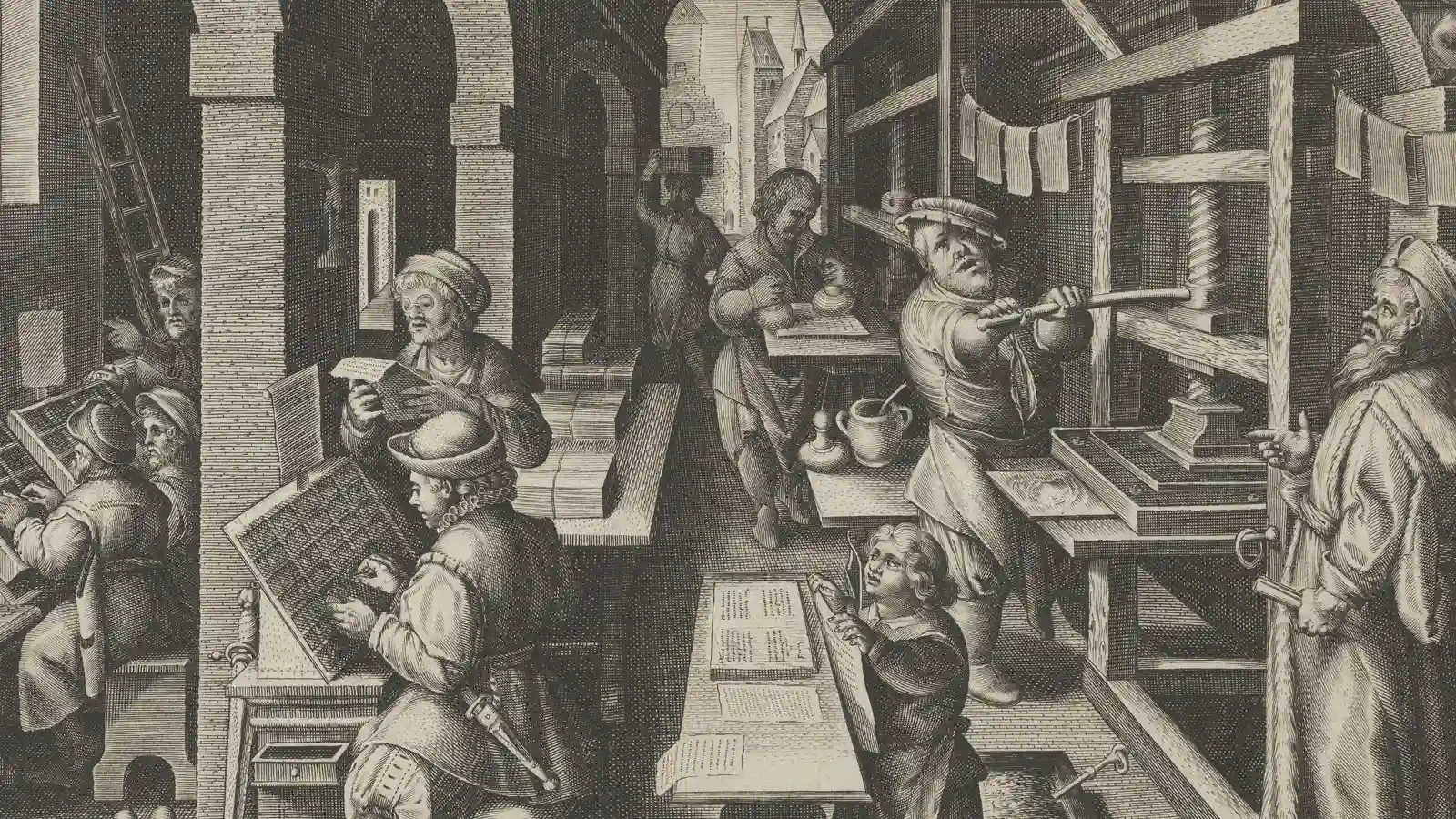
A written privilege could be useful again after the negotiation that produced it. It offered something to present when an official questioned a right or when circumstances changed. The archive therefore belongs to the practical work of the organisation. Keeping records was part of maintaining a position in trade.
This does not mean a document worked like an automatic instruction that everyone obeyed. Its value depended on the authority behind it and the willingness or capacity to act on it. A preserved charter tells us that a right was formalised; further evidence is needed to understand how that right operated in a particular dispute.
CHANGE YOUR VIEW
Three questions a privilege brings together
Would a right reduce costs, protect an opportunity or strengthen the group’s bargaining position?
How would granting or confirming the right affect revenue, control and other interests?
What does the document actually establish, and what additional records show its practical operation?
Seen this way, the Hanse’s influence was neither a mysterious property of a powerful league nor a simple result of many wealthy people gathering together. Organisation gave commercial connections a collective form. Premises, privileges and records helped sustain that form, while local relationships and external conflicts continued to shape its usefulness.
Bruges was a meeting place with several organised voices
The Hanseatic community was one influential participant in Bruges, not the city’s government and not a synonym for all foreign trade. Its record shows why international commerce could depend on institutions that negotiated access over decades. It also shows the limits of those institutions when goods, claimants and authorities stood in different places.
This chapter has followed merchants who left collective documents. The next turns to a person whose surviving works are far more familiar than most of his business arrangements: Jan van Eyck. His career offers another way to examine connections between a court, a city and the people who could commission expensive skilled work.

_-_WGA14829.jpg)
.jpg)