
The medieval Indian Ocean was connected without being one society. Ships moved between coasts, goods passed through several markets and travellers found institutions that felt familiar far from home. Yet languages, political arrangements, livelihoods and expectations remained different. Connection did not require those differences to disappear. It required people to make movement and exchange work across them.
Across this story path, an African city, seasonal winds, two contrasting ports, imported ceramics, a traveller’s account, household archaeology and Portuguese intervention have illuminated different parts of that process. Together they answer a larger question: what made a far-reaching maritime world possible before European predominance? The answer lies in relationships among environments, skills, institutions and local decisions. No single commodity, religion or technology can carry the explanation alone.
PLACE & TIME
The medieval Indian Ocean
Kilwa Kisiwani
Present-day Tanzania · East Africa–Arabia–South Asia network
c. 1000–1510 CE
Period covered in this article
The environment offered recurring possibilities
The chapter on monsoon winds showed why timing was central to navigation. Seasonal patterns made repeated movement practical in parts of the ocean, while regional conditions prevented a universal timetable. Crews needed to read winds, currents and coastlines, and merchants had to consider waiting as well as sailing. The recurring pattern was valuable because people could plan around it, not because it guaranteed a safe passage. 1
This is an enabling explanation. It identifies conditions under which a network could operate. It does not determine which ruler collected revenue, which port attracted a particular cargo or who bore the cost of a delayed voyage. Those outcomes depended on arrangements made by people. Environmental opportunity and human choice belong together, but they answer different questions.
FOLLOW THE CONNECTION
From possibility to sustained connection
Conditions
Winds and coastlines offer opportunities and constraints.
Skills
Navigation and interpretation make opportunities usable.
Arrangements
Ports, institutions and households support recurring activity.
Power
Negotiation and coercion determine whose movement is possible on which terms.
That distinction gives geography its proper importance. An island, anchorage or coastline could offer advantages, yet someone had to maintain access, provide supplies and establish workable relationships. A favourable setting without those activities would not automatically become a prosperous port. Conversely, knowledge and organization could help people use a difficult setting effectively. Place was a field of possibilities rather than a complete historical cause.
The same logic applies to risk. Regular seasons could coexist with storms, illness and loss. Networks did not persist because danger disappeared; they persisted through repeated attempts to manage it. Historical resilience can therefore mean ongoing adaptation under uncertainty, not a stable system in which every voyage succeeded.
- Separate an enabling condition from a political outcome.
- Treat planning as a response to uncertainty.
- Ask how people made a geographical advantage useful.
Knowledge connected the water to the shore
Pilots and crews turned environmental patterns into usable routes. Their knowledge included details that a general map cannot show: approaches, hazards, sail management and practical signs of position. The first Portuguese voyage’s dependence on a pilot supplied at Malindi makes this especially visible. Newcomers could enter existing connections by obtaining expertise from people already operating within them. 2
The episode also exposes a broader imbalance in historical visibility. A named commander can dominate the account, while a pilot’s contribution becomes a brief incident. Yet leadership and navigational competence are different capacities. Recovering the latter does not require inventing the pilot’s identity. It requires recognizing that the voyage’s success depended on knowledge the commander did not possess independently.
- Ask who knew how to make a movement practical.
- Distinguish possession of a ship from the ability to navigate a particular route.
- Treat unnamed expertise as historically significant even when biography is unavailable.
Knowledge ashore mattered as well. Intermediaries could explain language, measures, rank and procedures. A cargo had to be evaluated and transferred within local arrangements. Long-distance trade therefore depended on repeated acts of translation in a broad sense: between expectations as well as words. Those acts are part of the network’s infrastructure even when they leave no monumental remains.
Ports made distant connections useful locally
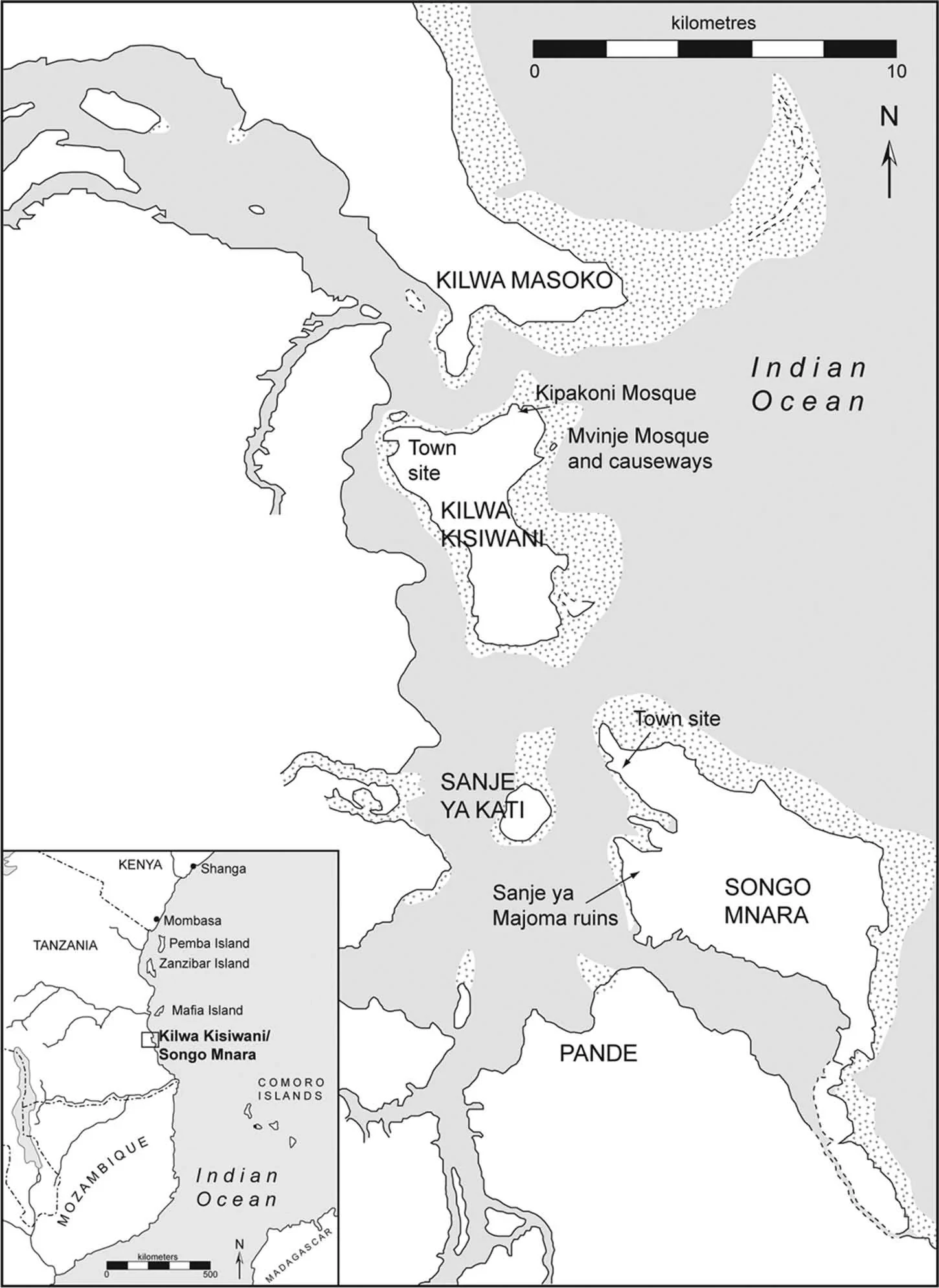
Kilwa demonstrated how a coastal city could actively organize exchange rather than merely receive it. African hinterland relationships, local building materials, Islamic institutions and imported objects met within its history. The monuments show the ability to concentrate resources, while the wider network explains why those resources were available. Neither the palace nor the sea route is sufficient on its own. 3
The comparison with Calicut made the local dimension still clearer. Both ports participated in the same oceanic world, but their commodities, rulers and religious arrangements differed. A shared network could connect a Muslim coastal city and a Malabar port under a non-Muslim ruler. It did not prescribe one model of political authority or one relationship between commerce and religion.
COMPARE
Related without becoming the same
Local setting
African coastal institutions and hinterland connections.
Malabar production and regional political relationships.
Shared needs
Supplies, skilled work and negotiated exchange.
Supplies, skilled work and negotiated exchange.
Lesson
Explain the local arrangement before generalizing.
Apply the same questions without flattening the differences.
Ports also depended on less spectacular services. Food, water, accommodation, storage and the movement of cargo between ship and shore supported distant exchange. Those services linked international traffic to nearby producers and workers. A port’s outward orientation did not make it independent of its surroundings. The local and the long-distance were mutually involved rather than separate layers of history.
That relationship prevents famous cities from swallowing everyone else’s agency. Suppliers, cultivators, transporters and smaller settlements helped determine what a port could offer. The ability to negotiate a coastal transaction depended on processes extending beyond the coast. To follow an exported commodity responsibly, begin before it reaches the ship and continue after it leaves the port.

Goods connected people through changing meanings
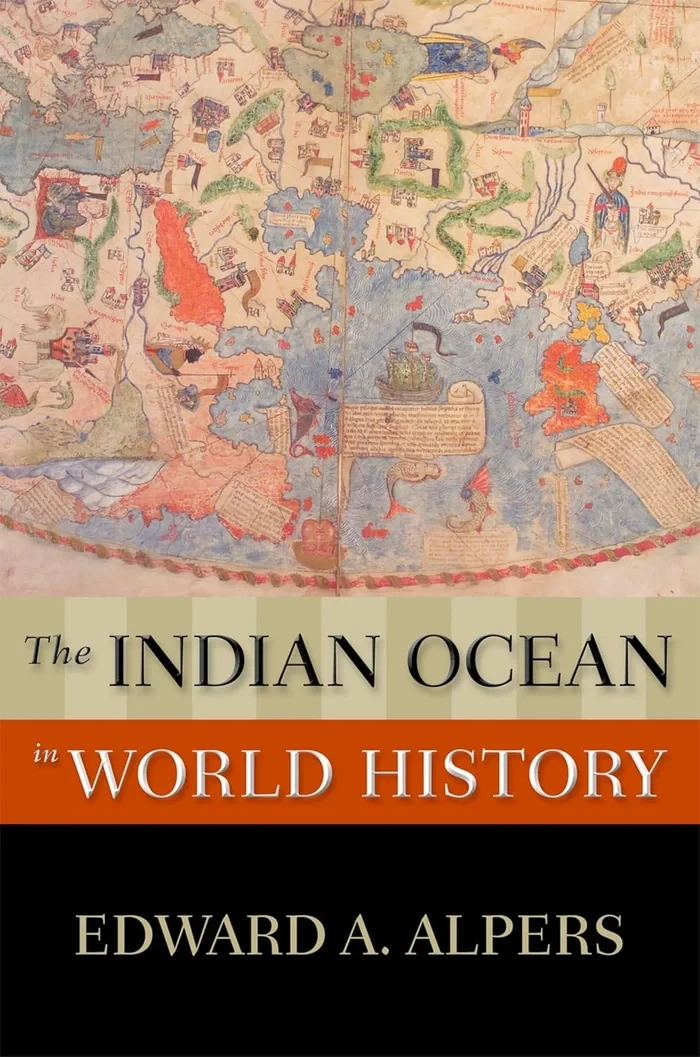
Chinese and Chinese-style ceramics on the Swahili coast showed that an object’s journey has several histories. Production, distribution and consumption are related but distinct. A kiln attribution does not identify the route, a coastal find does not prove a direct voyage, and an imported vessel does not establish the origin of its owner. The chain becomes more informative when those distinctions remain clear. 4
Objects also changed through use. A vessel could serve food, support hospitality or enter an architectural display. Its local significance was not fixed by the workshop that made it. Coastal users made choices about foreign products within their own social projects. Consumption therefore reveals agency at the destination, not simply the influence of a distant producer.
KEY IDEA
Connected did not mean identical—or equal
The principle extends to plants and practices. Rice had an Asian history, yet its use in an East African town could become part of local cultivation and cuisine. Religious ideas could travel while taking forms shaped by regional circumstances. Connection often produced combinations, not replacement. A demand for culturally pure origins would obscure the very processes that made these societies historical.
Survival complicates the picture. Ceramic fragments remain visible where textiles and foodstuffs may be difficult to recover. A museum display can therefore make one kind of commodity dominate our imagination. The archaeological record needs to be read as a filtered set of traces, not a preserved balance sheet of everything that once moved.
- Follow an object through production, movement and consumption.
- Notice adaptation at the destination.
- Remember that surviving materials filter our picture of trade.
Institutions offered familiarity across difference
Muslim travellers could find recognizable practices and contacts across widely separated places. Ibn Battuta’s itinerary demonstrates the importance of hosts, scholars, courts and religious institutions. Those connections helped support movement and access. They did not place every destination within one political system or remove disagreements about social conduct. Familiarity operated alongside difference. 5
His experience in the Maldives is particularly revealing because he sought to exercise authority rather than merely observe. The account records frustration where local practices did not match his prescriptions. That encounter shows how a shared religious framework could contain conflicting expectations. The connection made participation possible; the local society shaped what participation allowed him to do.
PERSPECTIVES
The encounter changes with your position
Institutions make some encounters easier while leaving other lives less visible.
Repeated food production, care and work help sustain the port.
A connection’s benefits depend partly on who can impose or refuse conditions.
Institutional trust also remained selective. Reputation, patronage and access could benefit some people more than others. A traveller admitted to a ruler’s circle did not thereby gain a representative view of all residents. The networks visible through an educated visitor’s account are substantial, but they are not the entirety of social life. We need other evidence to examine people and activities outside that field of access.
This is why cosmopolitanism should be used carefully. A place could host varied populations and far-reaching relationships while maintaining exclusions. Diversity, cooperation and equal rights are different claims. The first two do not automatically establish the third. A connected port can be historically impressive without being idealized as a modern model of universal openness.
- Distinguish diversity from equal rights.
- Ask whose access a religious or political institution supported.
- Look beyond the educated visitor’s most visible encounters.
Everyday life kept the connections functioning
At Songo Mnara, archaeology moved attention from famous travellers to repeated practices. Houses, food remains, craft tools and burial places revealed relationships within the town and beyond its walls. Fishing, husbandry, cultivation and spinning supported a community whose overseas connections were only part of its life. The settlement was not a waiting room occupied until ships returned. 67
The evidence also showed why multiple methods matter. Fish bones, pottery residues and human isotopic signals register different processes. None provides a complete diet on its own. Bringing them together can revise a simple impression drawn from the most abundant or memorable material. The method is useful beyond food: ask what a trace actually records before turning it into a full description of life.
- A standing wall records construction and change more directly than everyone’s social position.
- A food remain records recovery and deposition before it measures a whole population’s diet.
- A grave can reveal commemoration without supplying a complete personal biography.
The town’s open spaces broadened the meaning of everyday life. Relations with the dead, communal worship and controlled access to houses helped organize belonging. These practices show that an urban community was maintained socially as well as economically. People sustained places through repeated actions, including actions whose purposes cannot be reduced to trade.
Connection distributed benefits and risks unevenly
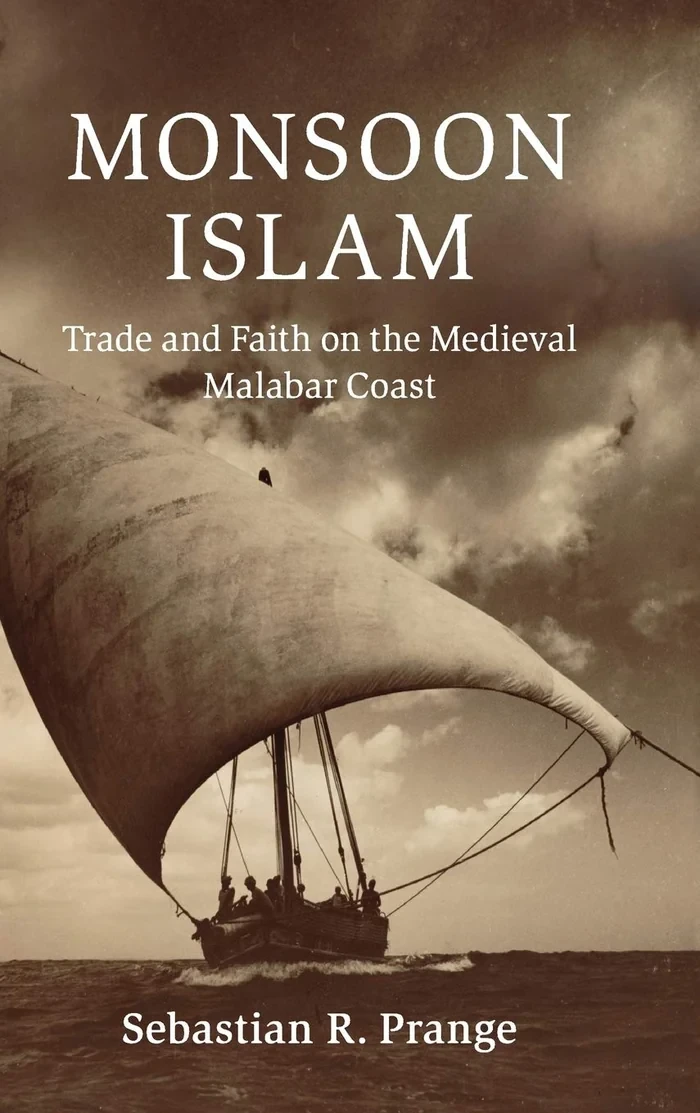
Sharing a route did not mean sharing freedom. Merchants, sailors, passengers and enslaved people could travel aboard the same vessel under profoundly different conditions. A profitable cargo might benefit its financiers while offering little to the people carrying or producing it. The network connected participants without placing them in equal positions. Mobility itself needs to be examined as a capacity some could exercise and others could not.
Waiting illustrates the same inequality. A well-supported traveller could use time ashore to build relationships, while someone with few resources faced mounting costs. A household providing accommodation might gain income; a person dependent on its terms might have limited choices. An environmental delay became a social experience through the arrangements that distributed its consequences.
EVIDENCE CHECK
Test the claim
Question
Does continued trade mean intervention caused little harm?
Persistence of exchange does not measure the wellbeing of everyone involved.
Evidence
Networks can continue through altered arrangements.
Adaptation and coercion may coexist.
Boundary
Continued movement does not erase losses or establish equal freedom.
Read the source record: James Hancock: The Portuguese Conquest of India
This does not mean every transaction was exploitative or every partnership concealed violence. It means cooperation must be examined with attention to power. Who could refuse, who could leave, and who could obtain redress? Those questions distinguish a mutually useful arrangement from one sustained by coercion. They also prevent the language of connection from becoming an automatic celebration.
A network’s persistence is similarly ambiguous. Continued trade can indicate adaptability while concealing changed burdens. Goods may keep moving after an attack because participants find alternatives, accept conditions or lack a safer option. Survival of exchange does not measure the wellbeing of everyone affected. Economic continuity and human loss can coexist.
- Ask who could choose, refuse or leave.
- Separate persistence of exchange from universal benefit.
- Include losses alongside commercial continuity.
Portuguese intervention reorganized an existing field
The Portuguese chapter began with arrival in a world already connected. The route around Africa was new for Portugal’s direct maritime access, while the ports and relationships encountered had long histories. Knowledge obtained from existing participants supported entry. Armed force then became a means of attempting to change the conditions under which others traded and travelled. 28
Between 1498 and 1510, negotiation, alliances, attacks, forts and territorial conquest expanded Portuguese capacity. None should be mistaken for complete ocean-wide authority. Their power could be devastating at a particular place while remaining uneven across the network. Recognizing limits does not diminish the harm inflicted; it distinguishes a local outcome from an imperial claim.
TIME
A sequence with boundaries
- c. 1000–1500
Repeated connections
Ports and communities develop within changing networks.
- 14th–15th centuries
Several kinds of evidence
Architecture, ceramics and narratives reveal different relationships.
- 1498–1510
Portuguese intervention
New arrivals try to change the conditions of movement.
- Today
Historical interpretation
Preservation and research shape what can be explained.
A framework for this path
Local participants also pursued purposes of their own. Resistance and partnership developed within regional political relationships, including rivalries that preceded European arrival. Treating every local decision as a reaction to the newcomers would recreate the very Europe-centred history this path has challenged. Intervention changed those relationships without supplying their entire origin or meaning.
The resulting story is neither one of an untouched ocean suddenly awakened nor one of perfect continuity. New forms and concentrations of force mattered. Existing networks remained essential and adaptable. The task is to explain how conditions changed, for whom, and at what scale, rather than announcing a single moment when one world ended and another began.
- Locate a claim, occupied position or alliance precisely.
- Restore local purposes that preceded intervention.
- Explain change at the scale the evidence supports.
A connected ocean was made from active places
Taken together, these chapters offer a way to read maritime history. Begin with a bounded place and period. Follow a movement, then identify the skills, supplies and institutions that made it possible. Separate the evidence for contact from the evidence for its route or meaning. Ask whose experience is visible and whose work remains unnamed. These steps let connection become an explanation rather than a slogan.
They also leave room for uncertainty without surrendering the larger picture. We can be confident that distant societies were linked while remaining uncertain about a particular vessel’s itinerary. We can recognize substantial urban wealth without knowing every resident’s standard of living. A careful account gives conclusions the scale their evidence supports and makes the remaining questions useful.
What connected the medieval Indian Ocean was the repeated work of making difference negotiable. Winds created opportunities; knowledge made routes usable; ports coordinated exchanges; institutions offered access; households sustained communities; and goods acquired new purposes. Power could assist those relationships or force new terms upon them. The ocean was connected long before European predominance because people around its shores were already building, maintaining and contesting those connections. Their local worlds were the substance of the network, not obstacles it had to erase.