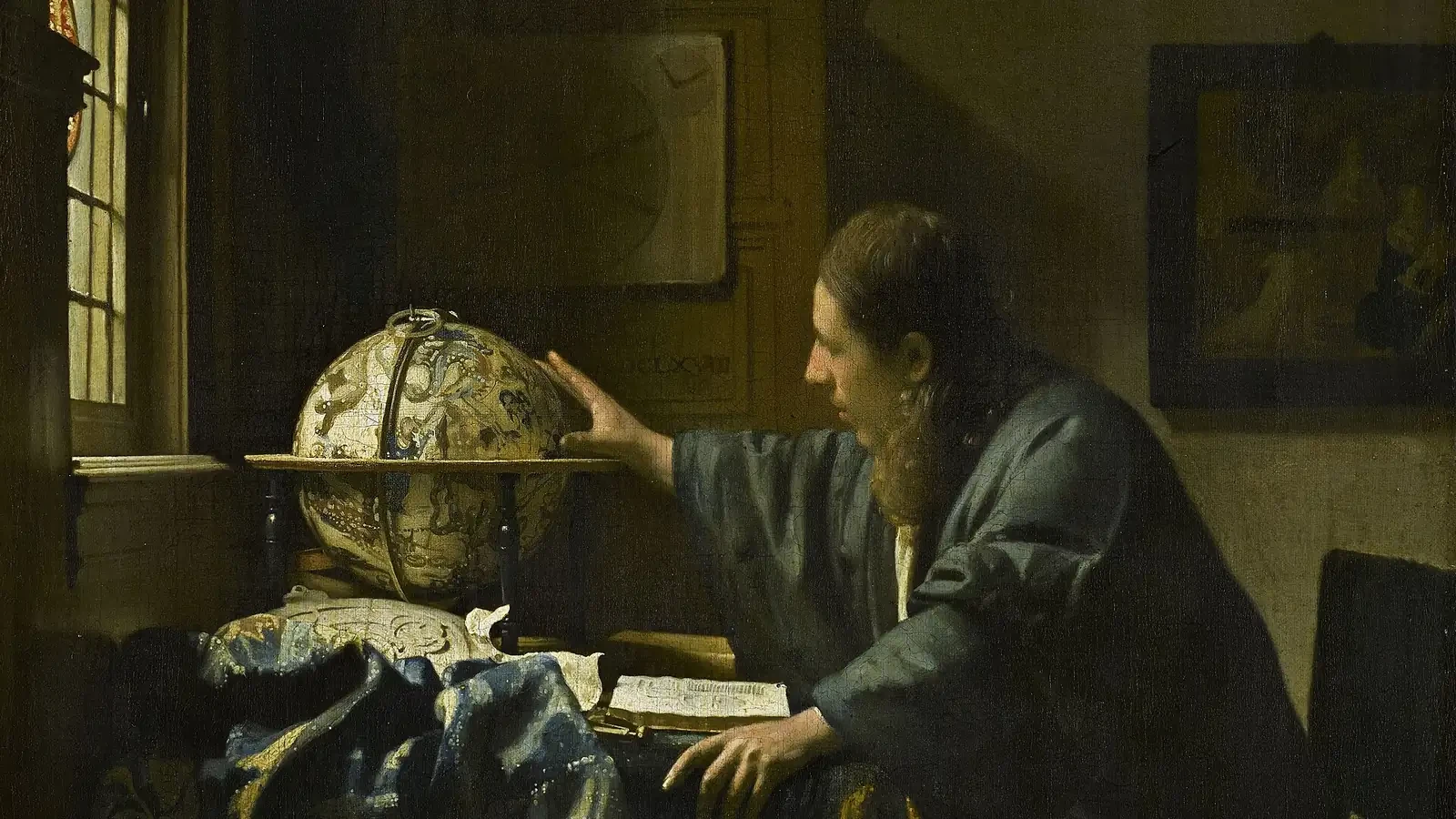
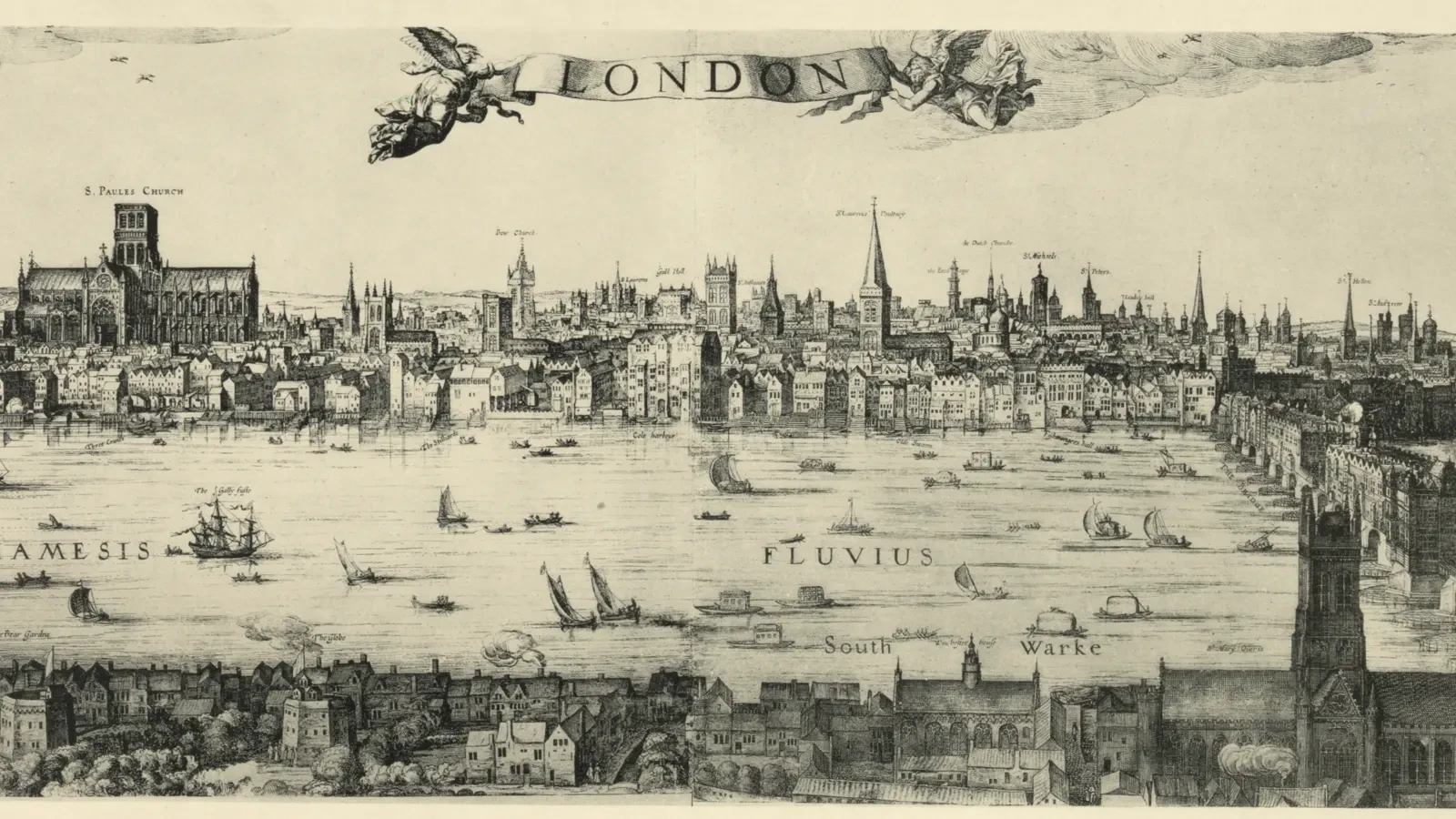
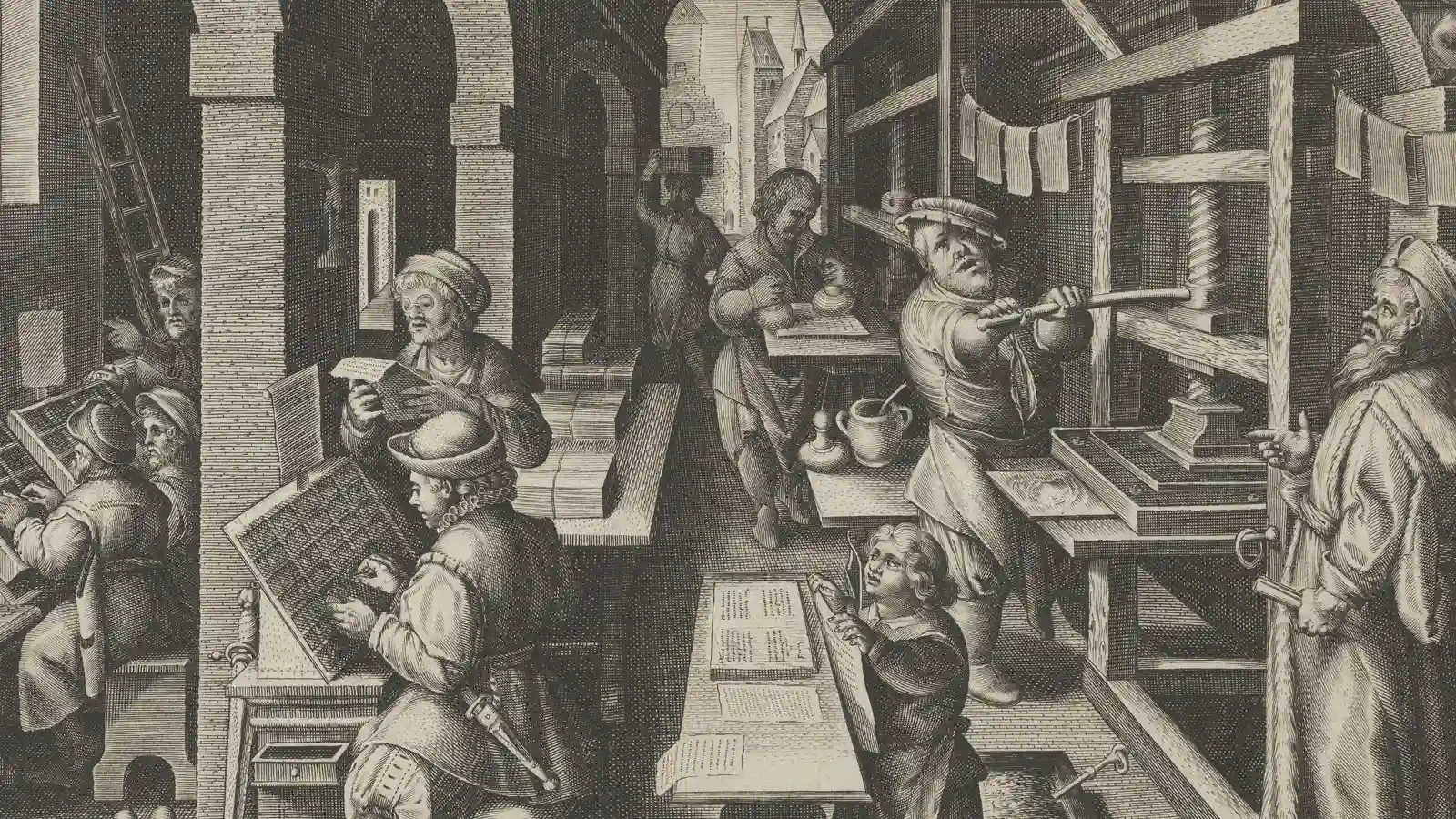
An observation had to become something others could examine. Instruments, images and communities helped it travel, while unequal access shaped who could speak and be believed.
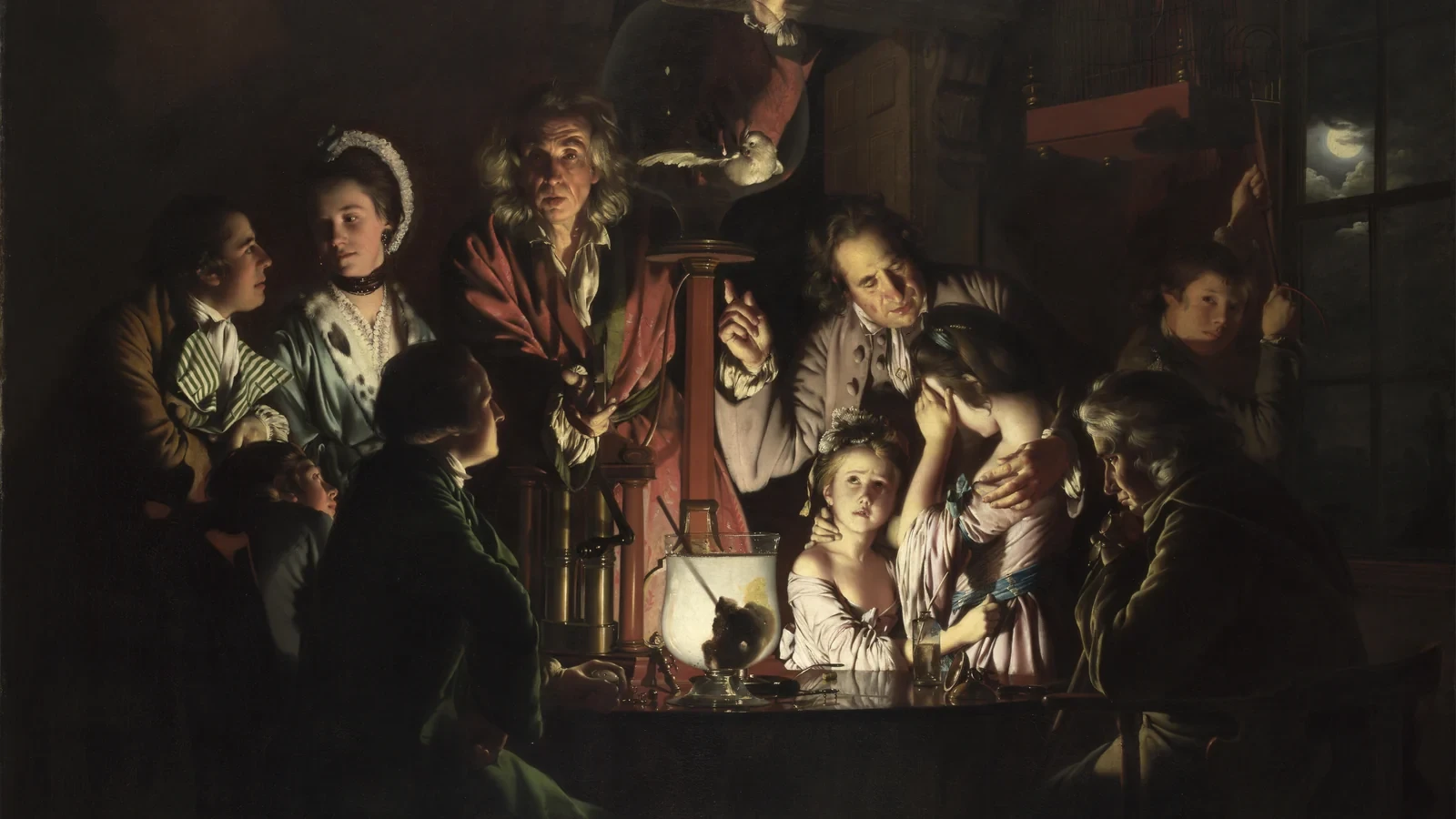
A glass chamber made air something investigators could alter and examine. Leaks, skilled operators, animal trials and written reports shaped what the results could establish.
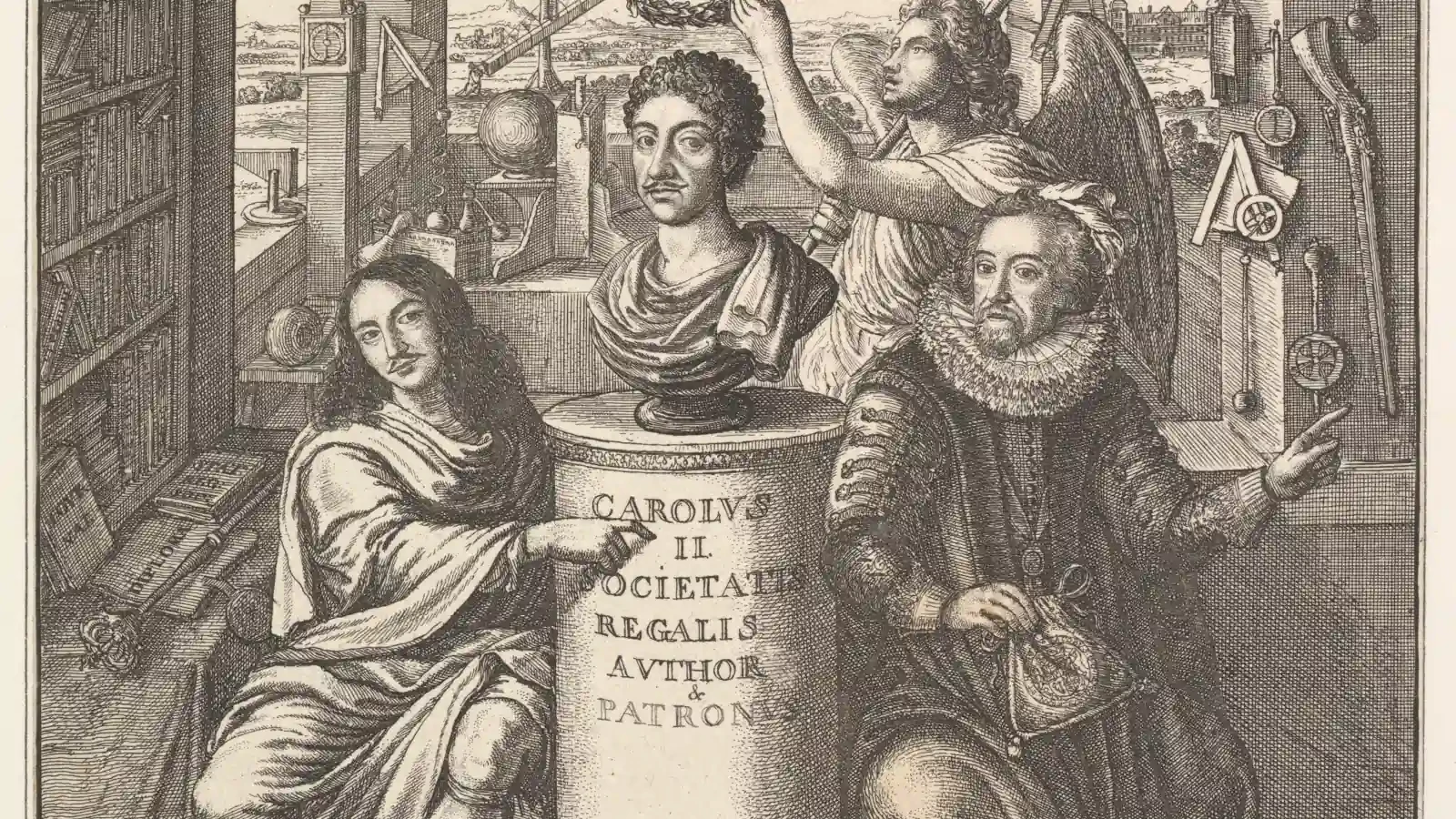
A demonstration could reach a room, a letter could cross a border and a journal could reach strangers. The Royal Society helped connect them—but access remained unequal.
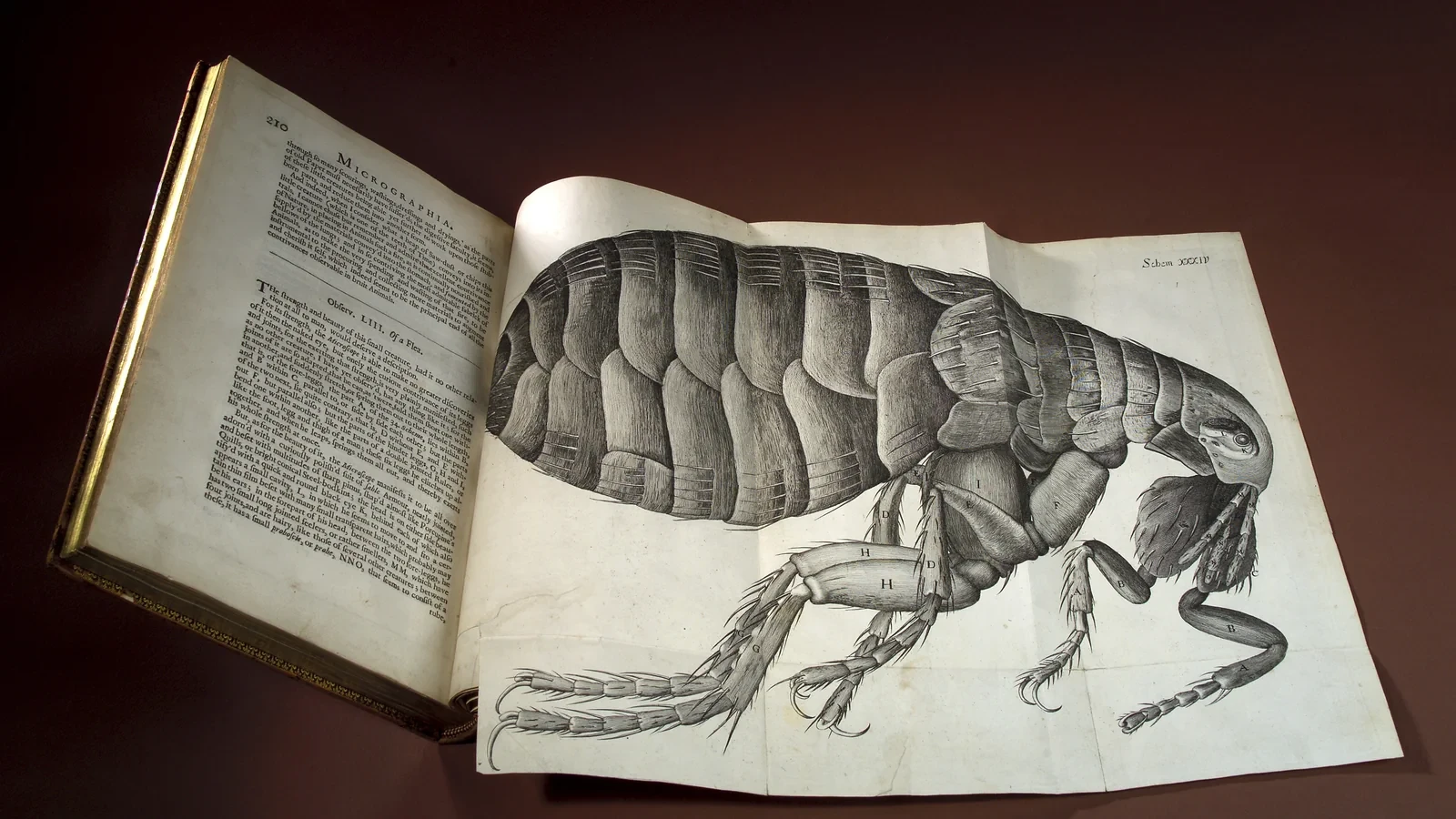
Telescopes, anatomy books and experiments changed knowledge in different ways. The harder question is how people made those changes believable—and who received the credit.
A registered poem, a moving clandestine press and an order to burn books reveal the overlapping powers behind printing in Tudor and early Stuart England.
From a Buddhist scroll to European workshops and regulated presses, printing enlarged the possibilities for sharing knowledge. Who could use them remained a question of people, resources and power.