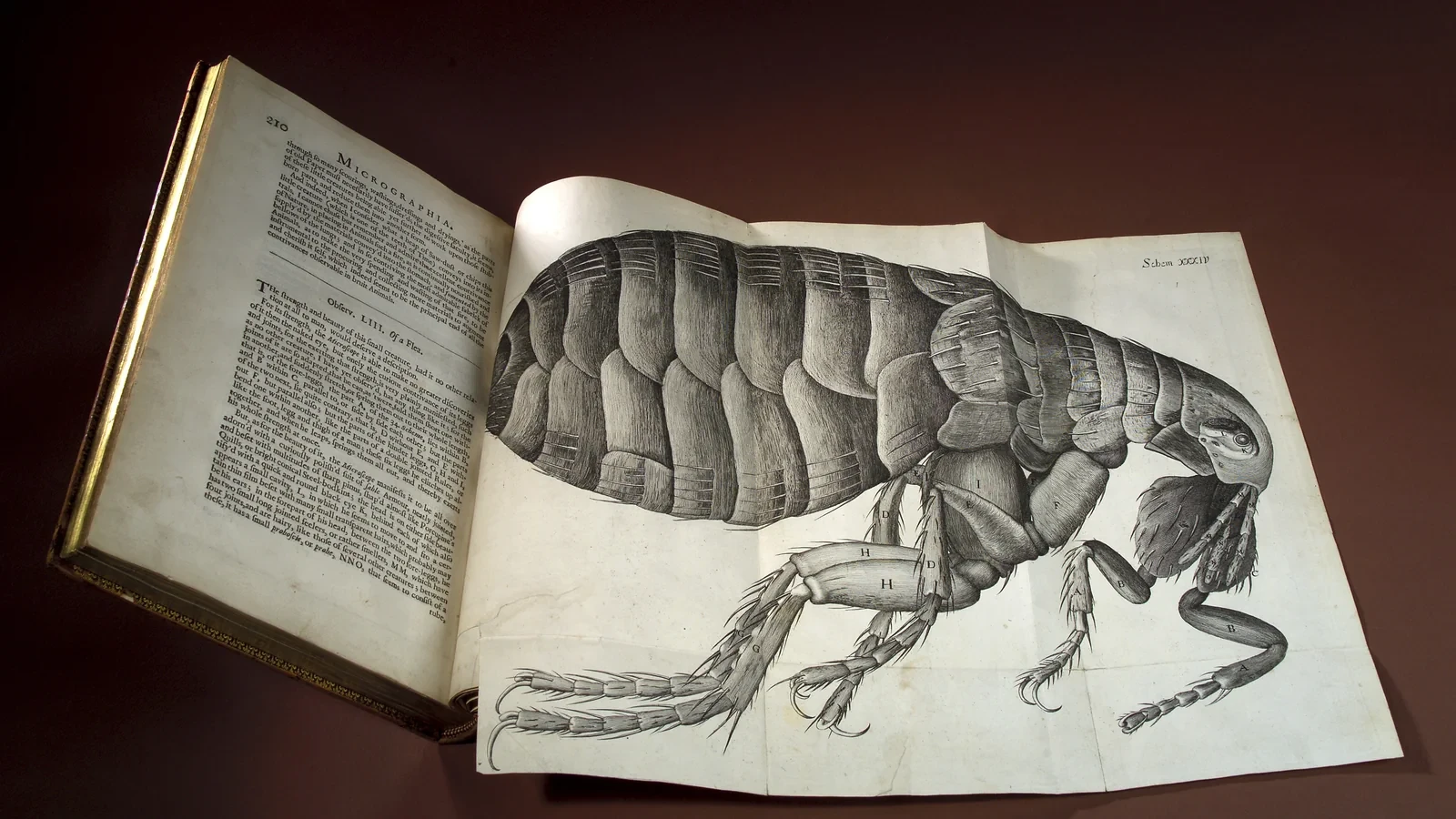
An observation had to become something others could examine. Instruments, images and communities helped it travel, while unequal access shaped who could speak and be believed.
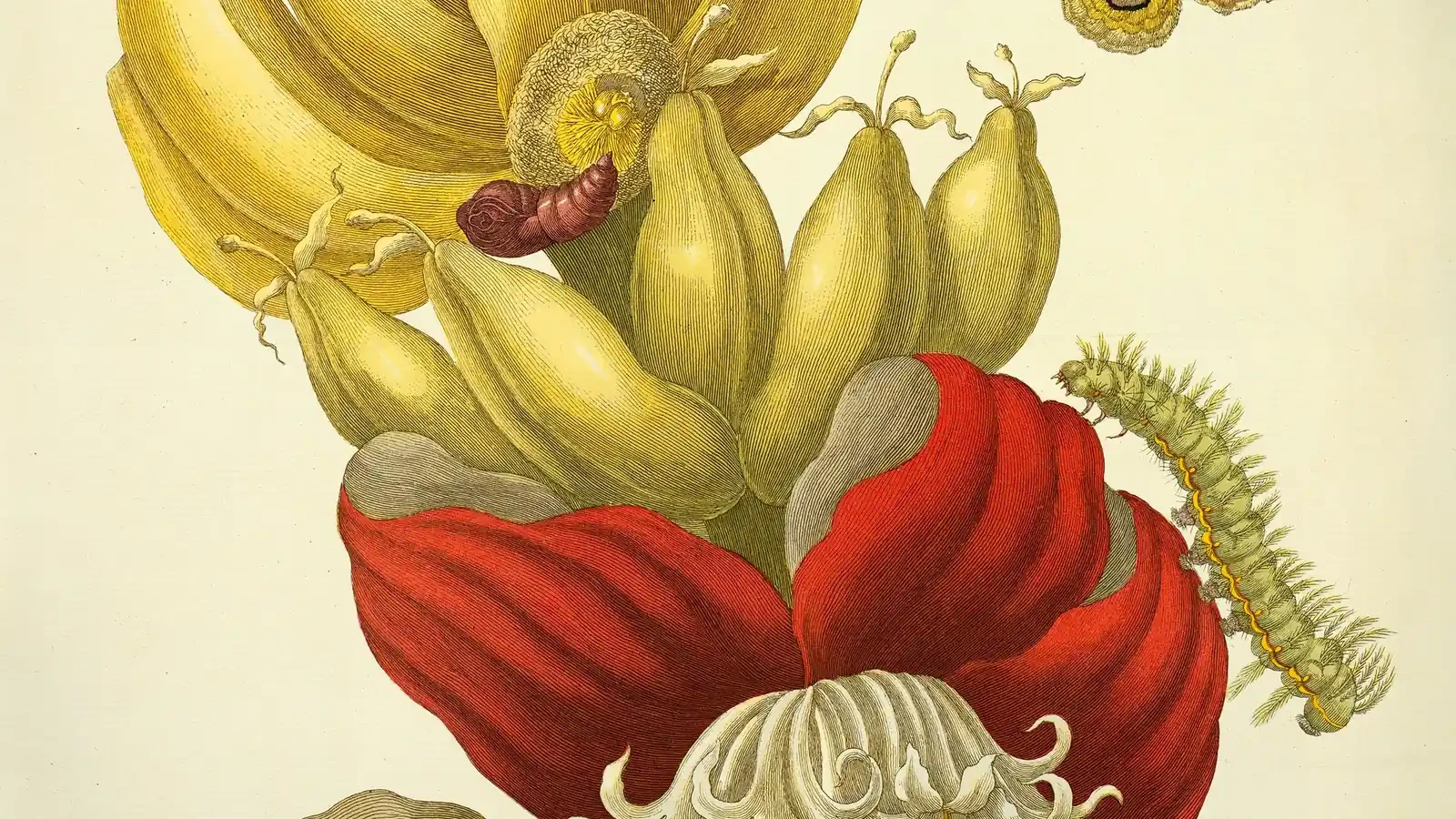
Merian pictured insects through change alongside their food plants. Her Suriname book also preserves traces of the local and enslaved people who helped make the research possible.
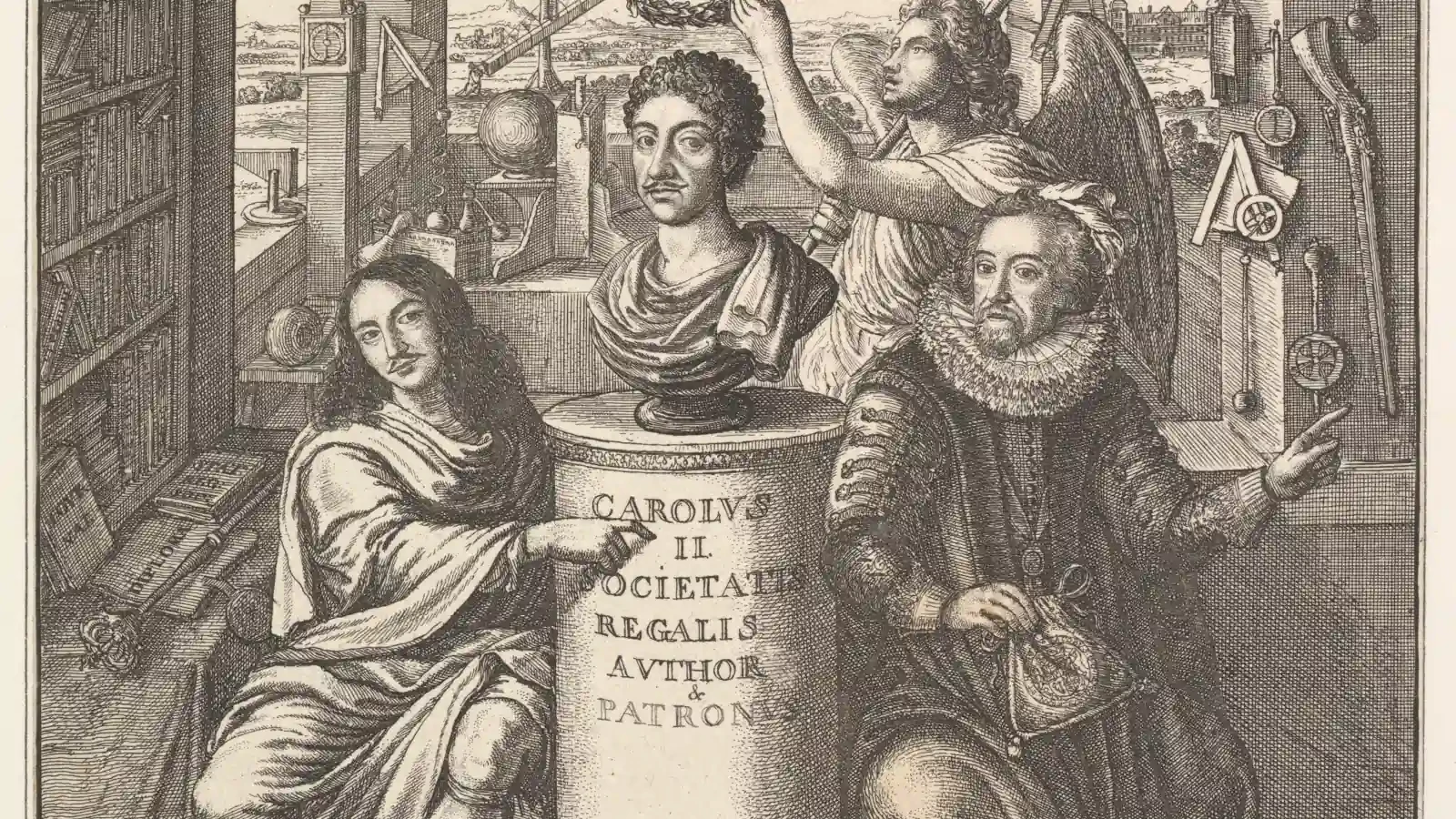
A demonstration could reach a room, a letter could cross a border and a journal could reach strangers. The Royal Society helped connect them—but access remained unequal.
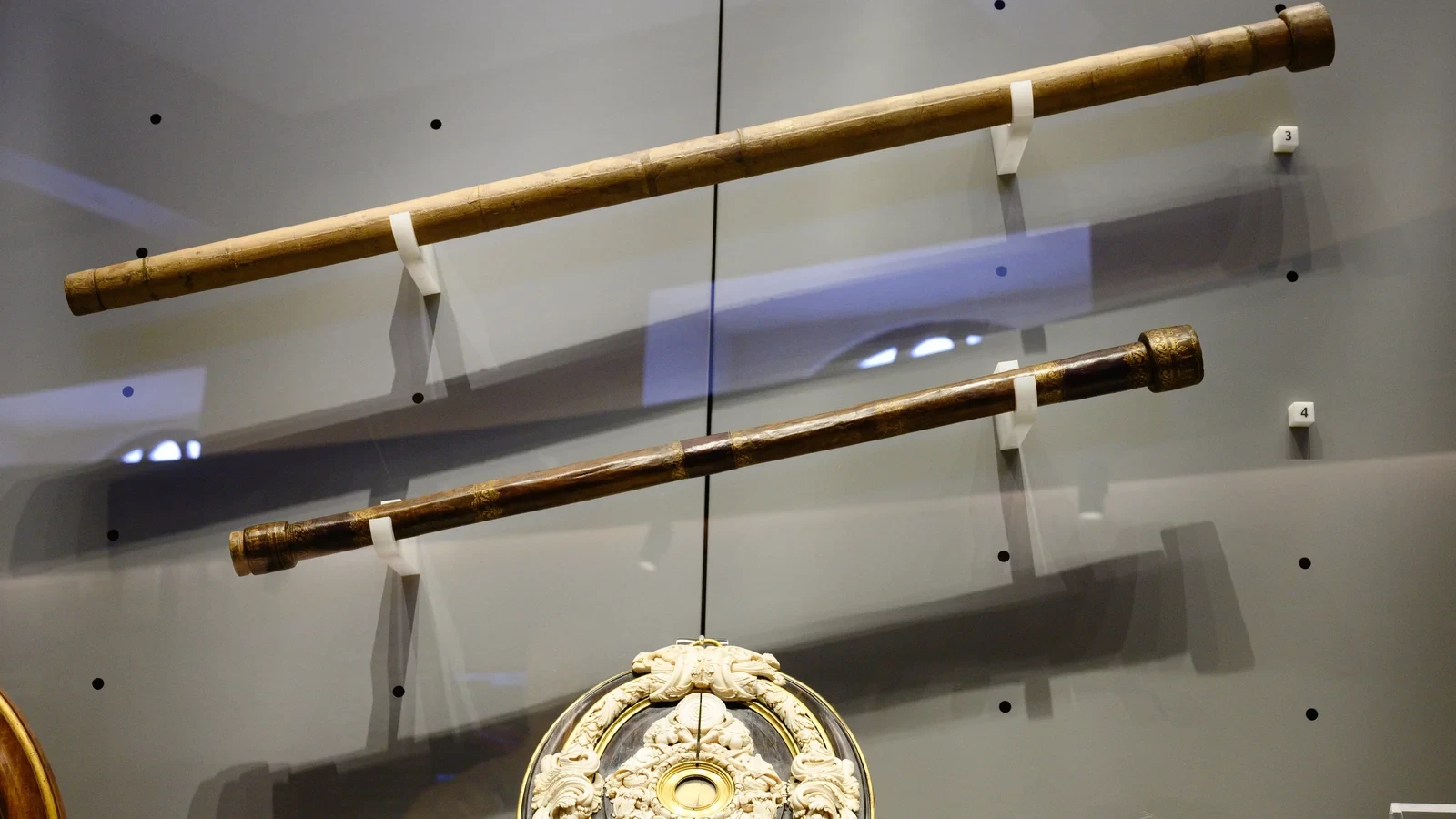
A few points of light beside Jupiter became a powerful argument. The work began with lenses, repeated observations and learning when an instrument could be trusted.
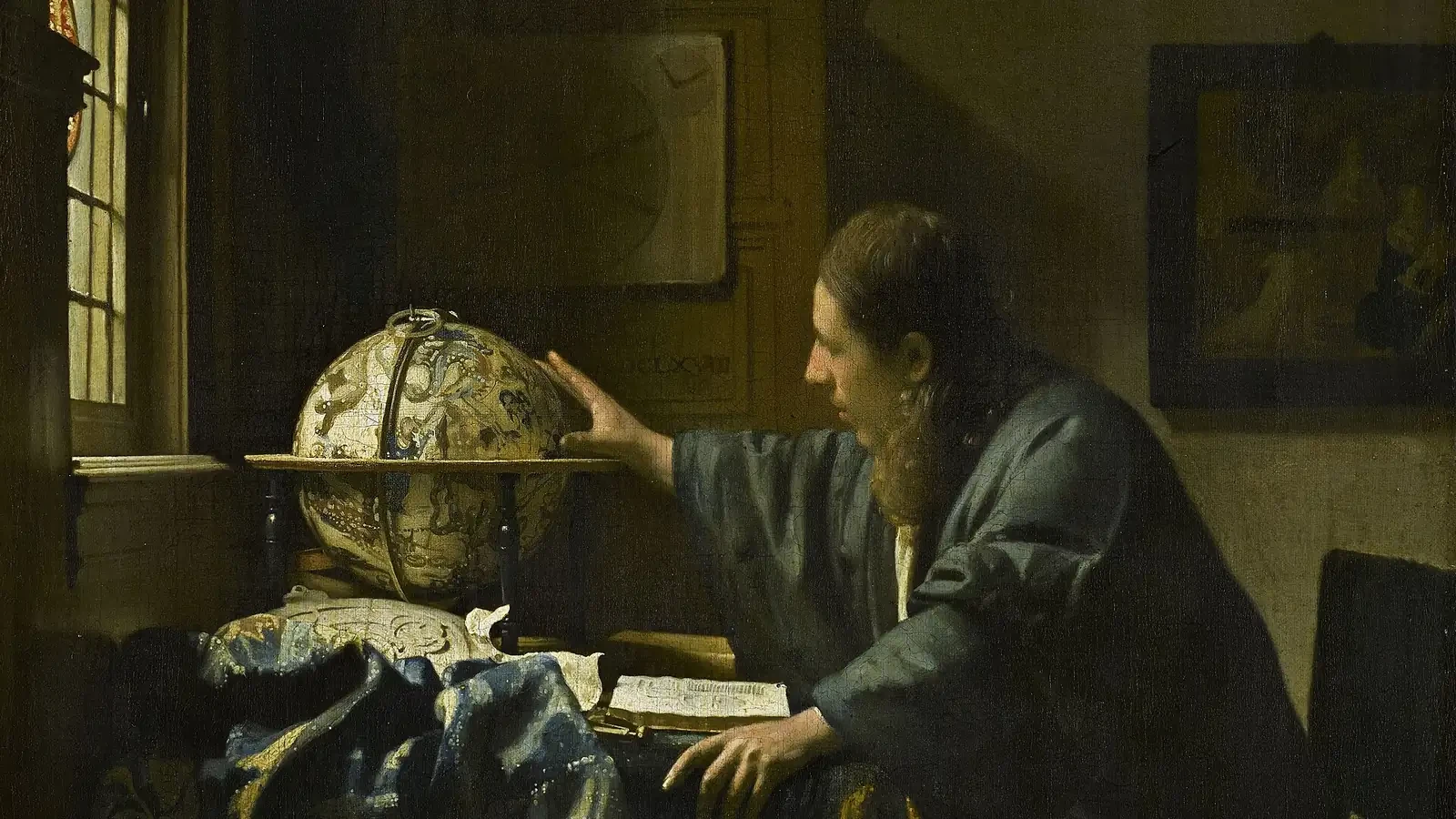
Telescopes, anatomy books and experiments changed knowledge in different ways. The harder question is how people made those changes believable—and who received the credit.
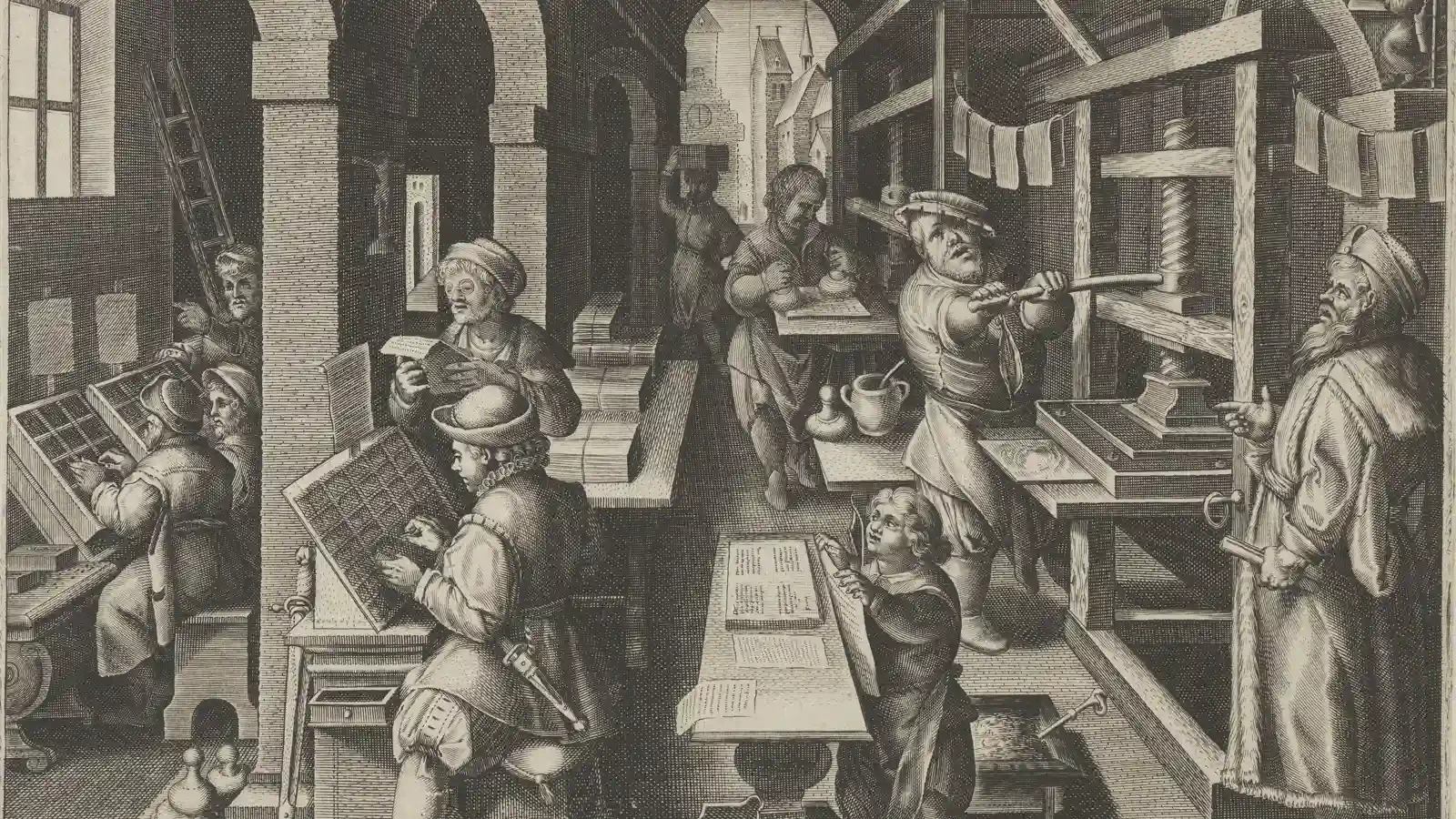
From a Buddhist scroll to European workshops and regulated presses, printing enlarged the possibilities for sharing knowledge. Who could use them remained a question of people, resources and power.