
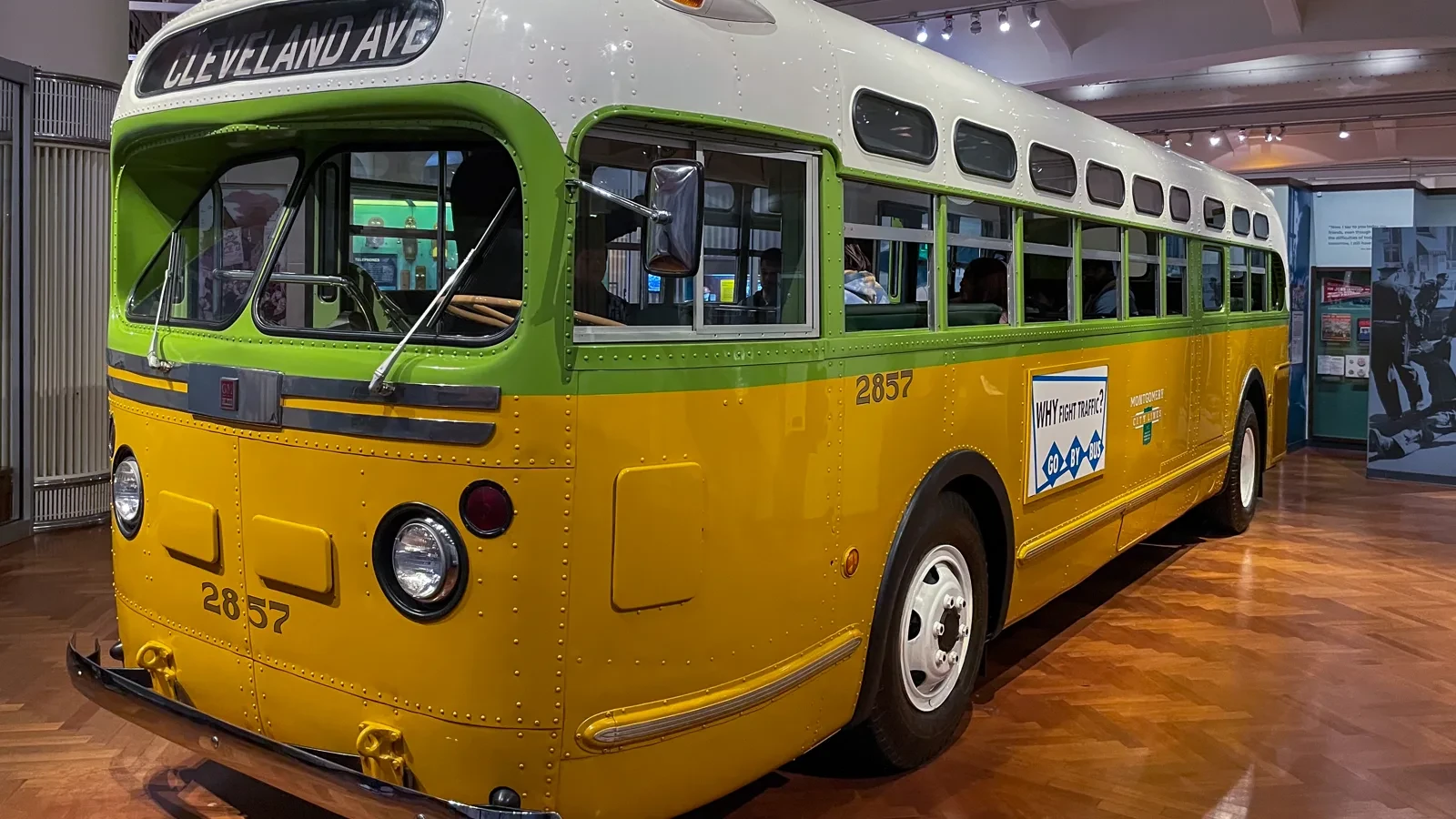
A bus boycott has to answer a question every morning: how will people get where they need to go? In Montgomery, Alabama, the protest called for 5 December 1955 became a campaign lasting more than a year. Black residents withdrew their fares from segregated buses while still facing journeys to work, school and shops. The refusal needed a practical alternative that could survive beyond the first Monday.
Rosa Parks’s arrest on 1 December helped set the campaign in motion, but it did not supply a transport system, a negotiating committee or a court judgement. Those required other people and continuing work. To understand how the Montgomery Bus Boycott worked, follow the connections between mobilisation, rides, money, communication and legal action—and what happened when opponents attacked those connections.
PLACE & TIME
A city’s journeys become a political conflict
Montgomery · Alabama
Southern United States
1955–1956 CE
Main setting
The first Monday depended on work already under way
The Women’s Political Council had been pressing city officials about bus treatment before Parks’s arrest. Its concerns included paying at the front and being made to enter at the rear, and passengers having to stand while seats remained empty. The King Institute traces these complaints and the council’s earlier discussion of a boycott. A prepared network could respond quickly when the opportunity came.
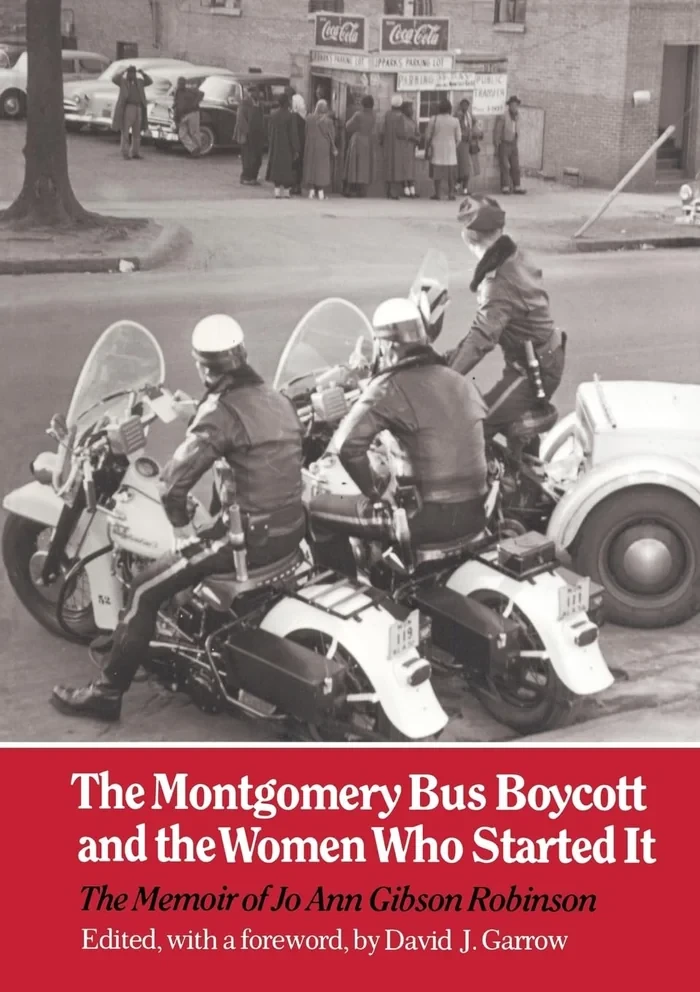
Jo Ann Robinson, an English teacher at Alabama State College, helped turn the call into leaflets. Working with John Cannon and two students, she used a mimeograph to produce copies for distribution. The King Institute’s biography identifies this shared effort. News moved through people who could reach households and neighbourhoods; making an announcement and getting it into someone’s hands were separate jobs.
Punkairwaves · CC BY-SA 4.0 · resized and jpeg encoded; adaptation shared under cc by-sa 4.0.
A one-day protest acquired an organisation
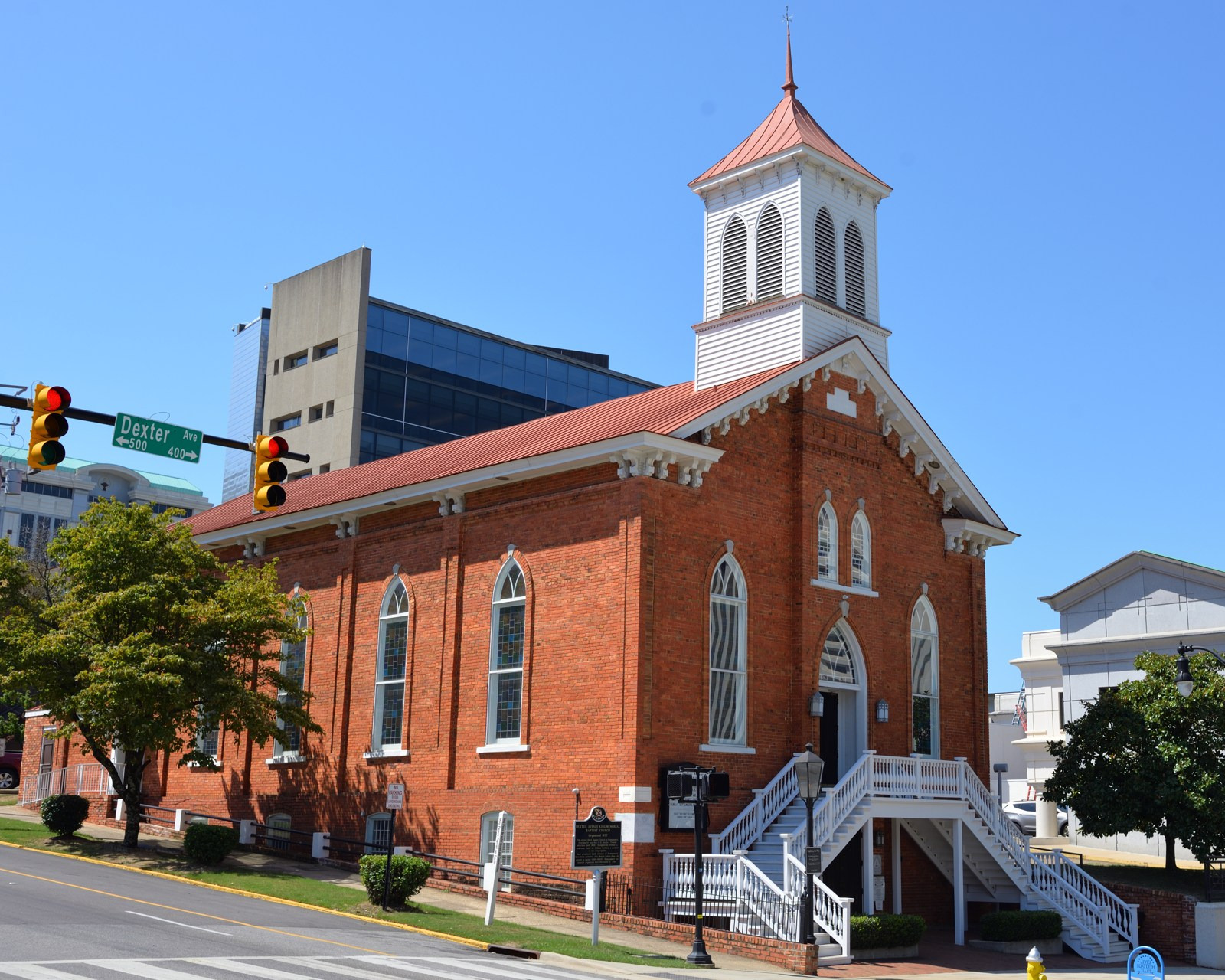
On 5 December, Montgomery’s Black community overwhelmingly stayed off the buses. That afternoon, leaders formed the Montgomery Improvement Association, or MIA, at Mount Zion AME Church and elected Martin Luther King Jr. president. At Holt Street Baptist Church that evening, a mass meeting supported continuing the protest. The MIA’s history records how the temporary action became a sustained campaign.
King’s public role mattered, but the association also needed officers, committees and volunteers. Decisions had to reach the people making daily journeys. A movement could gather in a church and still need someone to organise the next ride or account for a donation. You can see the difference between a speaker who expresses a common purpose and the many tasks that give that purpose a working form.
The first demands did not yet seek the final outcome
An MIA letter to National City Lines from December 1955 set out three proposals after unsuccessful negotiations. The surviving text specifies what the association was asking the bus company to change. Its seating proposal still described Black passengers sitting from the rear and white passengers from the front, while seeking to prevent reserved empty seats and forced displacement.
- Courteous treatment by bus drivers.
- Seating from opposite ends on a first-come basis, without seats reserved for a race.
- Employment of Black drivers on routes serving predominantly Black residential areas.
These demands are important to the conflict’s development. They proposed changes within a segregated arrangement. The later legal outcome went further by invalidating laws requiring segregated seating. If you start with the result and project it backwards, you miss both the initial negotiating position and the way the campaign’s possibilities changed.
Leaving the bus meant finding another way to travel
Some residents walked; others used private cars or Black-operated taxis. Early in the protest, taxi drivers offered rides at the ten-cent bus fare. City enforcement of the higher minimum taxi fare obstructed that option. The editors of the King Papers describe these early transport arrangements. Keeping a fare low was useful only while drivers could continue providing the journey.
The MIA developed a volunteer carpool, drawing on experience from the 1953 Baton Rouge bus boycott. The King Institute describes a system involving about 300 cars. That is an approximate account of the developing network, not a fixed fleet available for every day of the campaign. Cars and willing drivers had to be connected with people needing rides.
FOLLOW THE WORK
How a shared ride became part of the protest
Gather at a dispatch point
Churches served as places where passengers could wait for transport. King’s April 1956 report identifies this practical role.
Connect passengers with a ride
Volunteer vehicles carried people toward work and other destinations. The association coordinated an alternative to the city buses.
Keep the service possible
Church fundraising supported the carpool. Vehicles also needed insurance; pressure on that cover could threaten the next journey.
In Our Struggle, published under King’s name in April 1956, churches appear as both fundraising and dispatch centres. The article was initially drafted by Bayard Rustin, according to its editors. Its account connects the public meeting with the practical journey: the same institutions could help gather contributions and provide a place to wait for a car.
LOOK CLOSELY
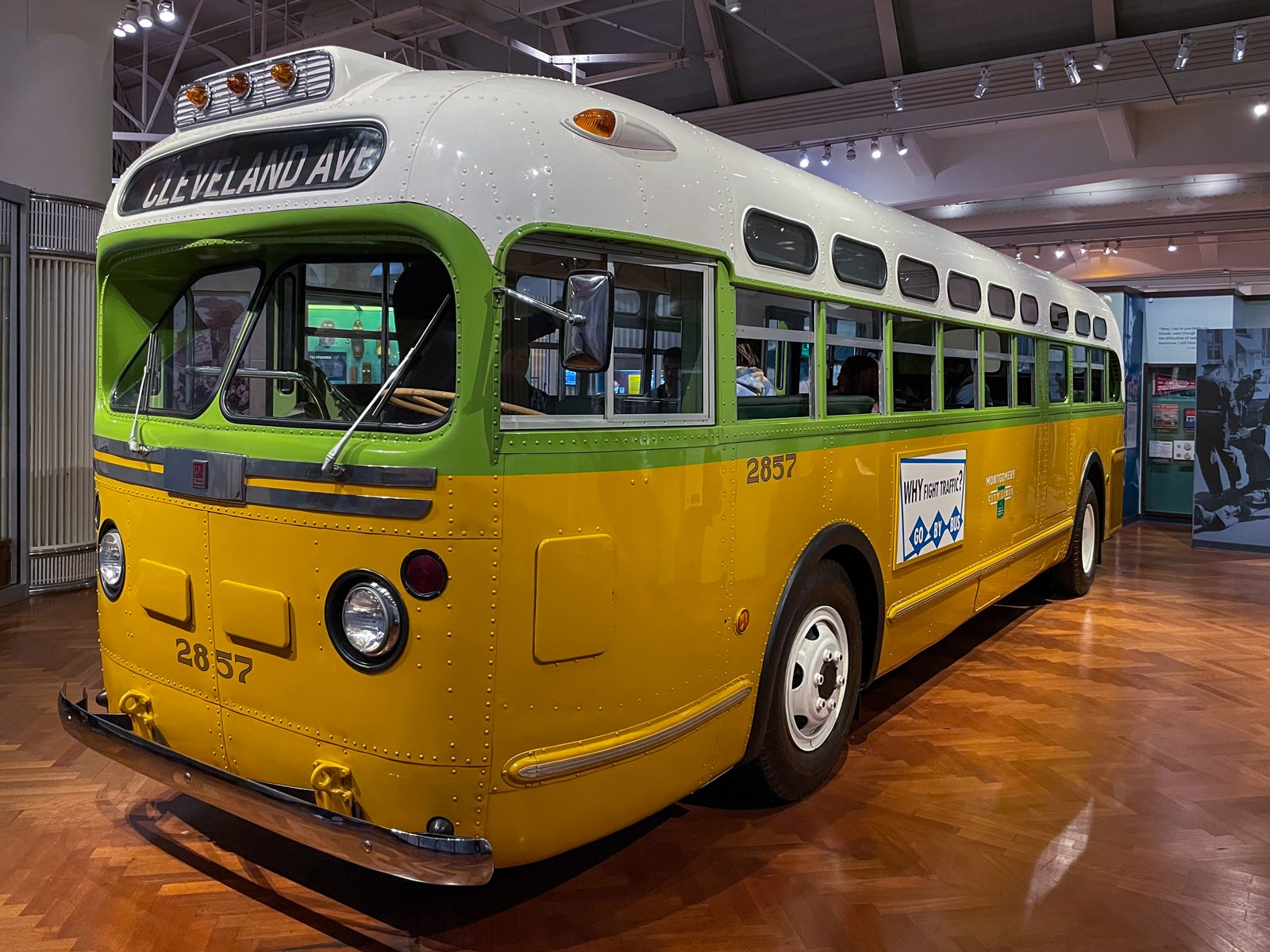
The bus records a space, not the carpool
A shared aisle
Rows of seats face a central aisle. This restored interior helps you examine the vehicle’s arrangement.
A later photograph
The photograph was uploaded in 2008. It does not record passengers, seating instructions or enforcement during the boycott.
Work outside the frame
The carpool, dispatch points and people walking belong to other records. The famous bus cannot show the whole campaign.

Restored interior of bus 2857 at The Henry Ford; photograph uploaded in April 2008. It does not record passengers or seating enforcement in 1955.
Maintaining agreement also required communication
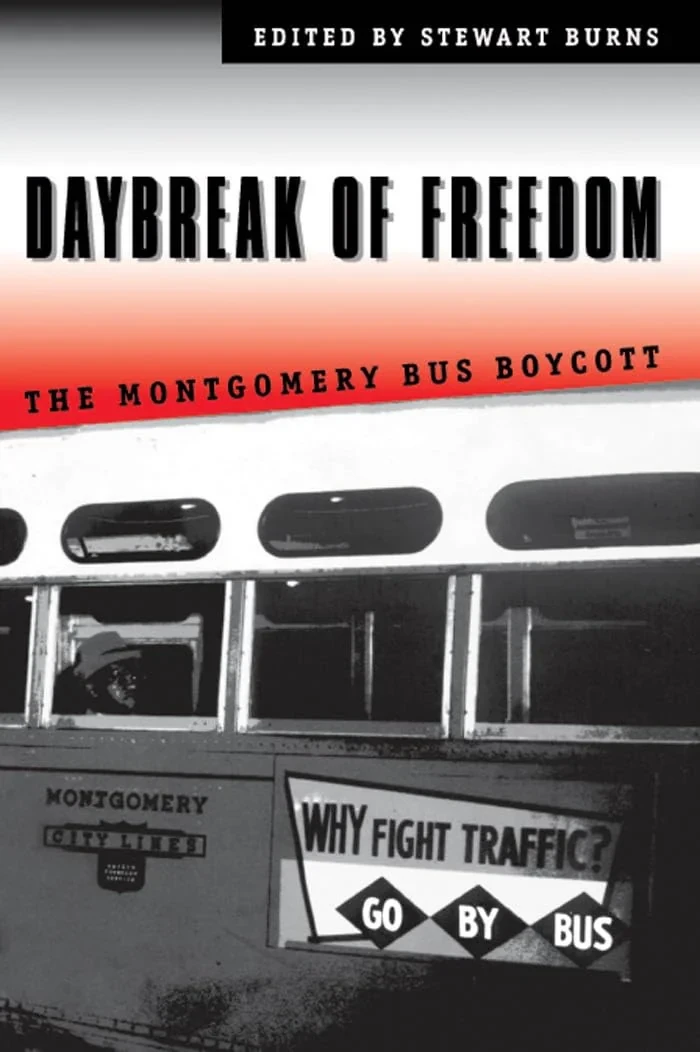
Rides addressed one problem; keeping people informed addressed another. The MIA held recurring mass meetings, with sermons and music, and raised funds through collections and outside support. Women’s Political Council members continued driving, organising meetings and communicating with participants. This work helped a campaign remain a shared activity rather than a decision people had to interpret alone.
An episode in January 1956 shows why reliable information mattered. News reports announced that a settlement had ended the boycott. Donald T. Ferron’s notes from the MIA executive board meeting of 23 January record King contesting that announcement. The association had not agreed to end the campaign. King also worried that an impression of closure would interrupt contributions.
Ferron was a researcher recording a meeting, not an all-seeing observer of every negotiation. His notes preserve the association’s response to a disputed report. The practical connection is clear: if passengers thought the protest had ended, or donors stopped sending money, the organisation’s decisions could lose their effect. Sustaining a campaign included correcting information as well as issuing it.
Ajay Suresh · CC BY 2.0 · resized and jpeg encoded.
Opponents targeted the means of continuing
The boycott faced more than an argument over seats. Bomb attacks struck the homes of King and E. D. Nixon in early 1956. Authorities prosecuted boycott leaders under Alabama’s anti-boycott law; King was convicted in March. These actions exposed organisers to danger and legal penalties while the daily transport problem continued. A public commitment to nonviolence did not make participants safe from violence.
KEEP THE CONNECTIONS
The campaign’s practical needs became points of pressure
Transport
Private vehicles helped people stay away from the buses.
Traffic enforcement and a later injunction threatened the carpool.
Insurance
Cover helped volunteer vehicles remain usable.
Segregationists pressured insurers to cancel policies.
Shared decisions
Meetings and communication kept participants informed.
A false impression of settlement could disrupt both participation and donations.
In We Are Still Walking, published in December 1956, King described pressure from the White Citizens Council on car insurers. He reported that replacement insurance had been secured through Lloyd’s of London. Insurance belongs in this history because a political attack on a policy could affect whether a car was available to carry someone to work. The campaign had to respond to the practical consequences of intimidation.
The court case challenged the laws themselves
On 1 February 1956, lawyers Fred Gray and Charles D. Langford filed the federal case Browder v. Gayle. Its continuing plaintiffs were Aurelia Browder, Susie McDonald, Claudette Colvin and Mary Louise Smith. Jeanatta Reese withdrew after pressure; Parks was not a plaintiff in this case. The King Institute distinguishes this challenge to segregation laws from Parks’s own prosecution.
The federal district court ruled against bus segregation on 5 June. The Supreme Court affirmed on 13 November. Litigation and the boycott were different forms of action: one tested the constitutional validity of the laws, while the other sustained collective refusal in daily life. Neither can be reduced to the other. Identifying the plaintiffs also restores people who disappear when the whole legal story is attached to Parks’s name.
THE CAMPAIGN’S CHANGING POSITION
From a first Monday to an enforceable outcome
- 5 December 1955
Boycott and MIA
A one-day action becomes a continuing campaign.
- 1 February 1956
Federal case filed
Browder v. Gayle challenges segregation laws.
- 5 June 1956
District court decision
The court rules bus segregation unconstitutional.
- 13 November 1956
Supreme Court affirms
The legal victory arrives as the carpool faces an injunction.
- 20–21 December 1956
Mandate and return
The order reaches Montgomery; the boycott ends and passengers return the next morning.
The judicial decisions and the return to buses were separate moments.
A legal victory did not supply a ride the next morning
The carpool injunction in November created a severe final difficulty. The order restraining the transport system operated immediately, while the Supreme Court’s desegregation decision still awaited formal implementation in Montgomery. King’s December account describes the resulting period without the organised carpool. The protest continued, but the lost service left people with more walking and journeys that could not be completed.
The distinction is sharper than a simple victory date. People knew the legal challenge had succeeded and still faced a difficult journey the following day. The association waited for the desegregation mandate rather than treating the first news of the Supreme Court decision as the end of the campaign. Maintaining agreement during that interval was part of making the victory usable.
The return changed the buses, not every boundary in the city
On 20 December 1956, the mandate arrived and King called for the protest to end. Passengers were urged to return the next morning on a desegregated basis. The statement and its editorial account also distinguish bus seating from other segregated facilities. The result was concrete and limited: a major change in public transport did not remove every form of racial exclusion in Montgomery.
KEY THOUGHT
The boycott endured through a connection between collective withdrawal and practical support: rides, money, communication and legal work.
When you return to the familiar image of the bus, look beyond the vehicle. The campaign also lived in dispatch centres, private cars, meetings and a federal court case brought by women whose names deserve to remain visible. Its duration was made possible by repeated work under pressure. That is how a protest called for one Monday became a change people could encounter on an ordinary morning journey.
.jpg)

