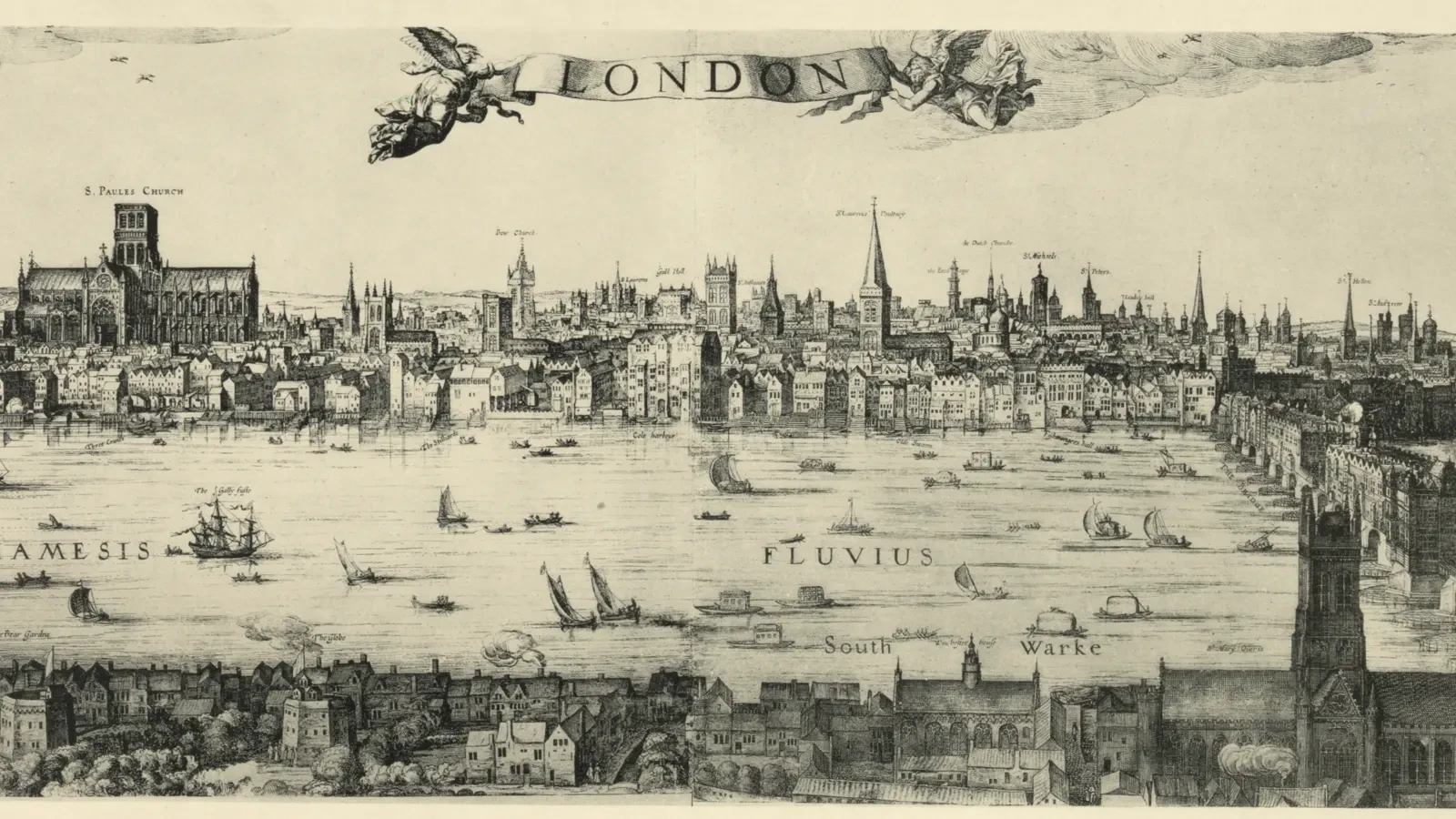
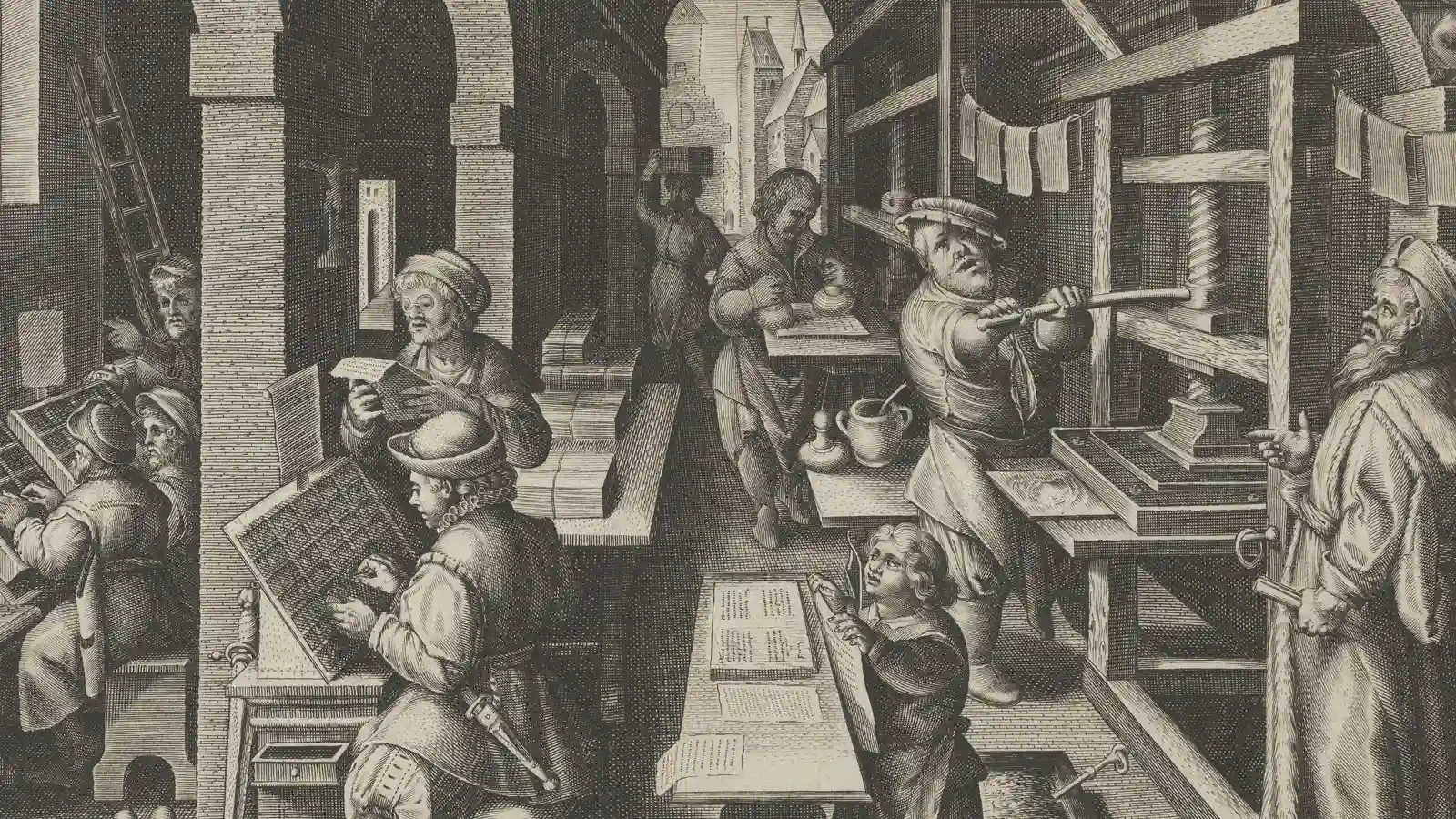
A registered poem, a moving clandestine press and an order to burn books reveal the overlapping powers behind printing in Tudor and early Stuart England.
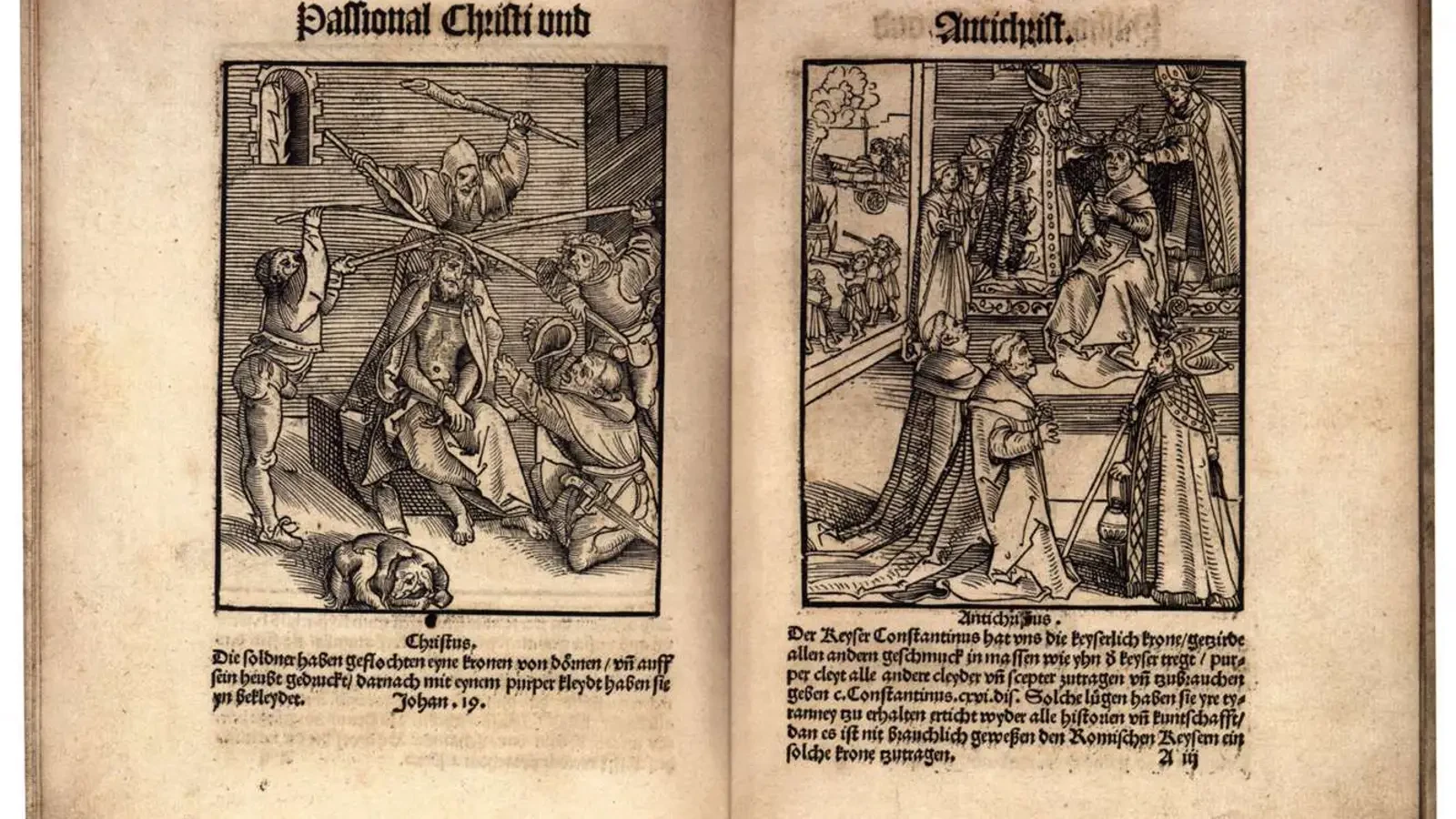
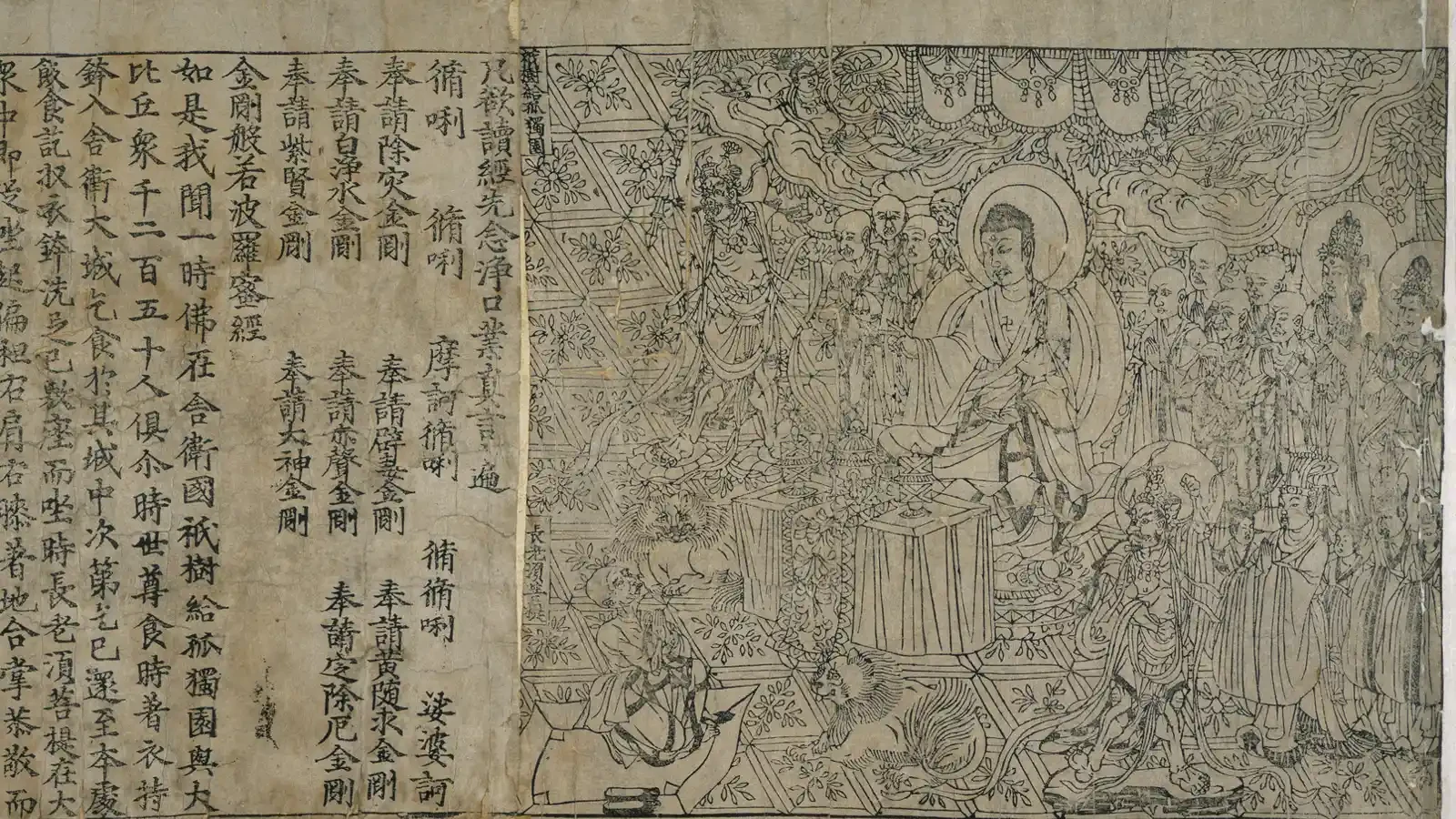
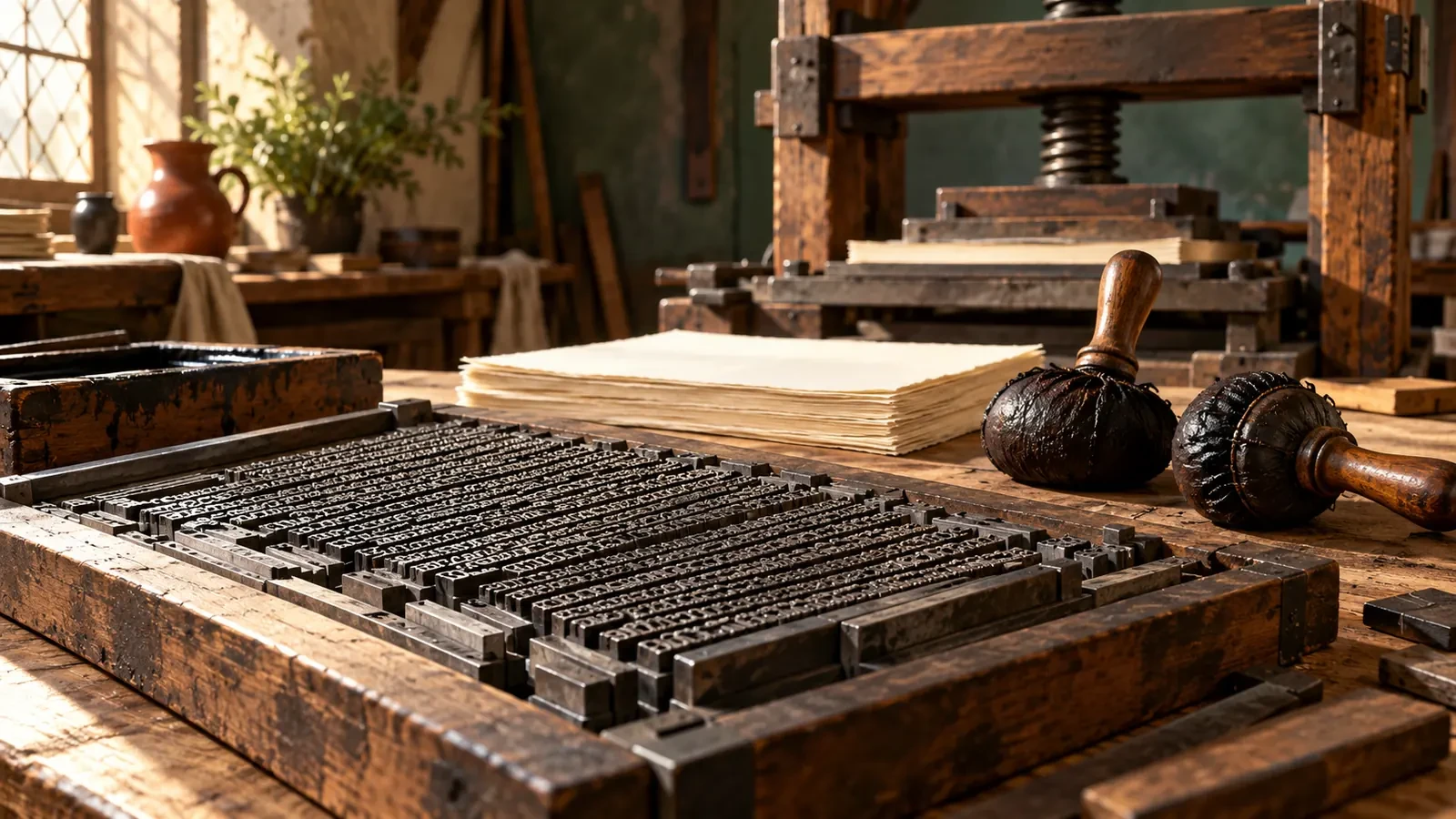
From a Buddhist scroll to European workshops and regulated presses, printing enlarged the possibilities for sharing knowledge. Who could use them remained a question of people, resources and power.
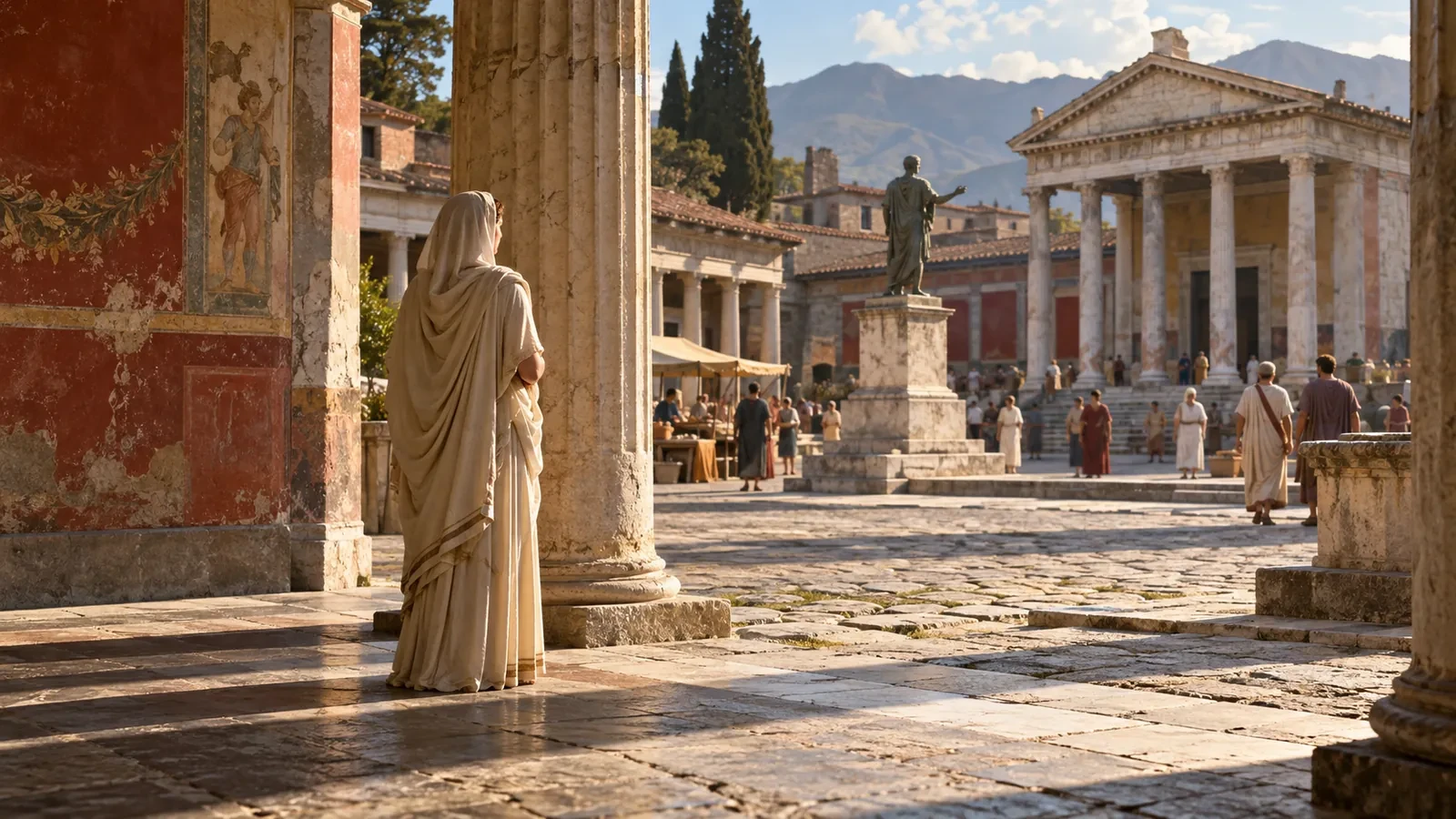
A woman’s name on Pompeii’s Forum was more than a signature. Eumachia’s inscriptions and statue reveal how money, religion and public honour could make a life visible.