
Story path
Civil Rights in Action
How did organised action turn demands for equality into change?
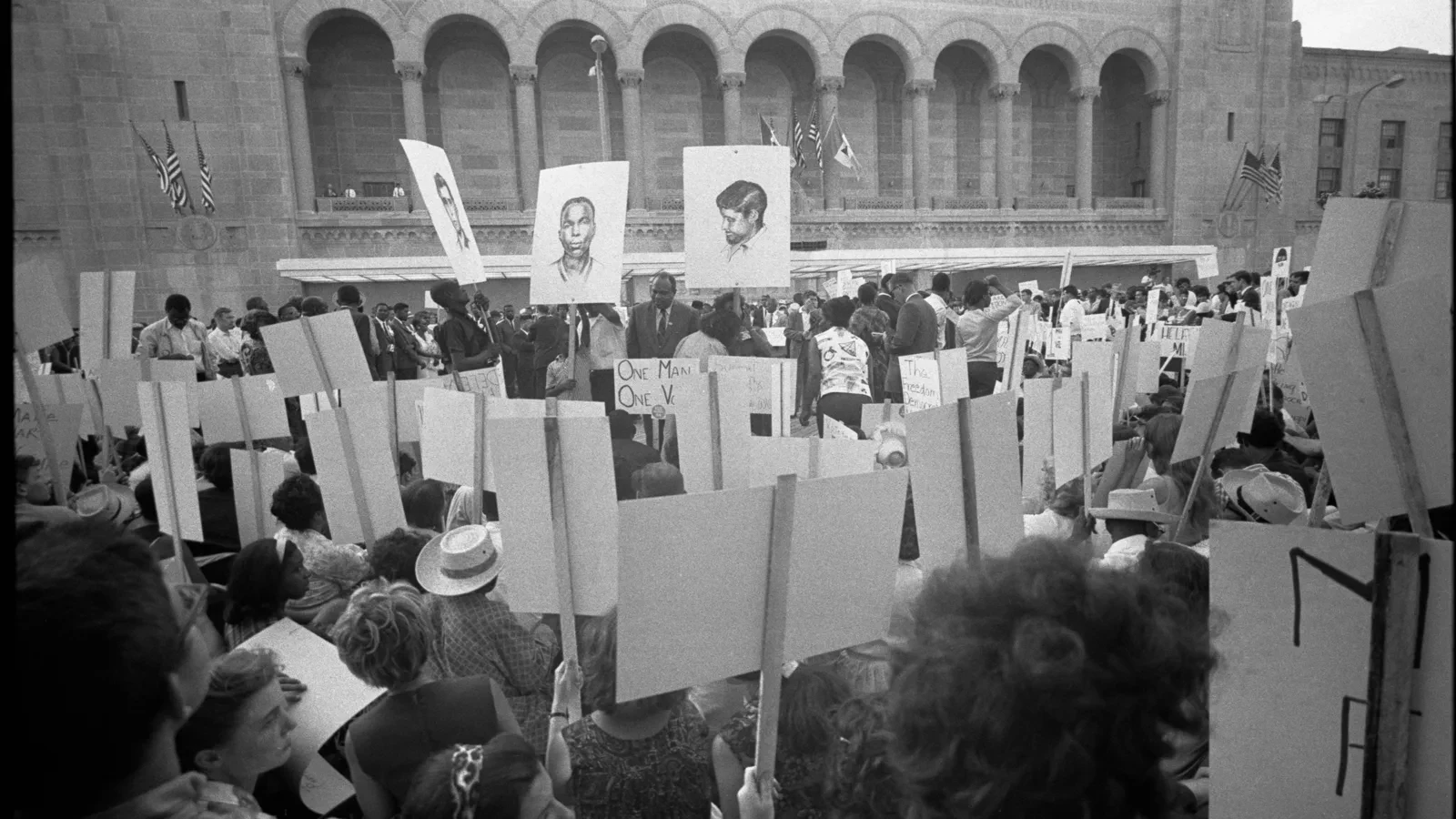
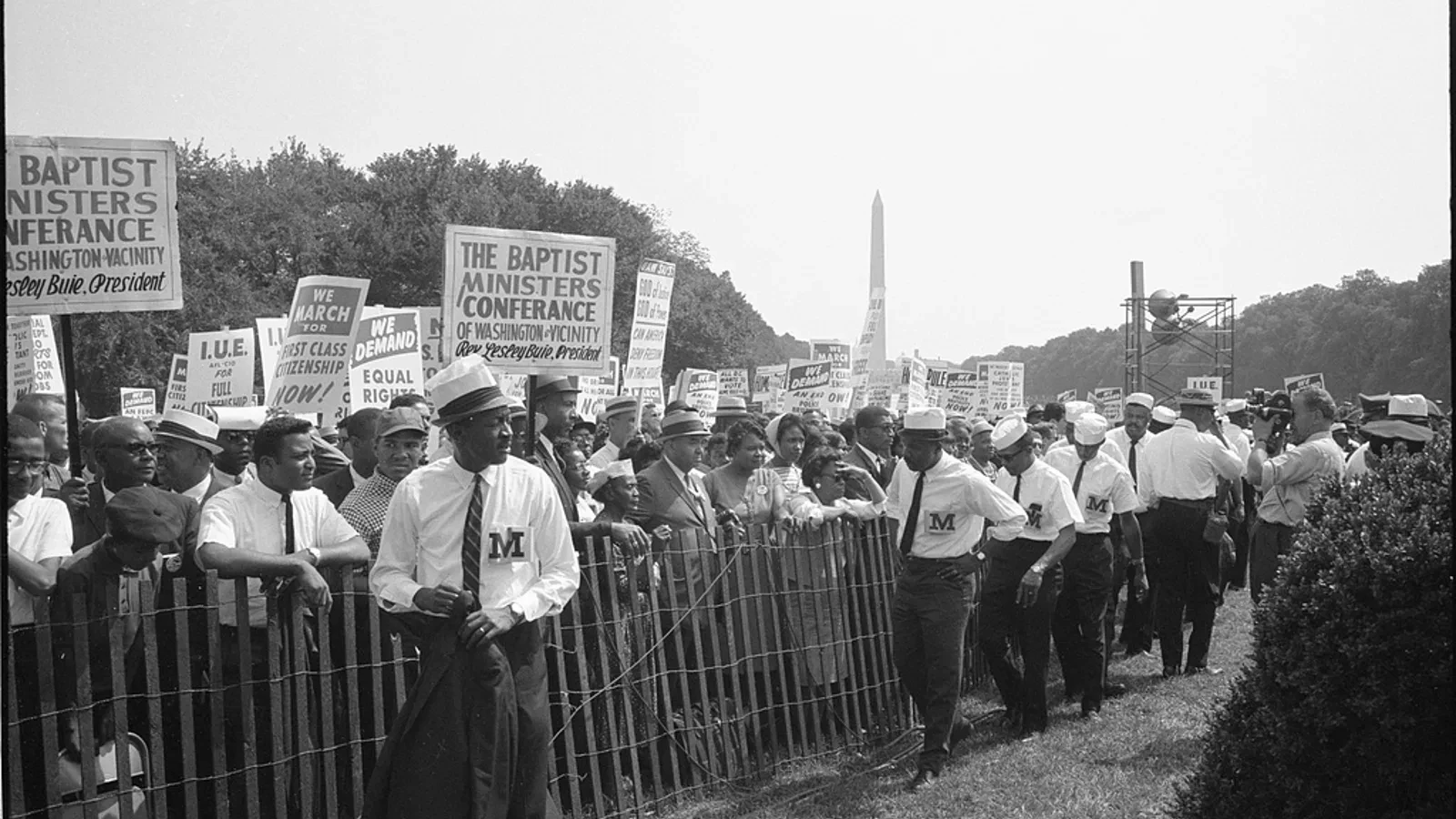
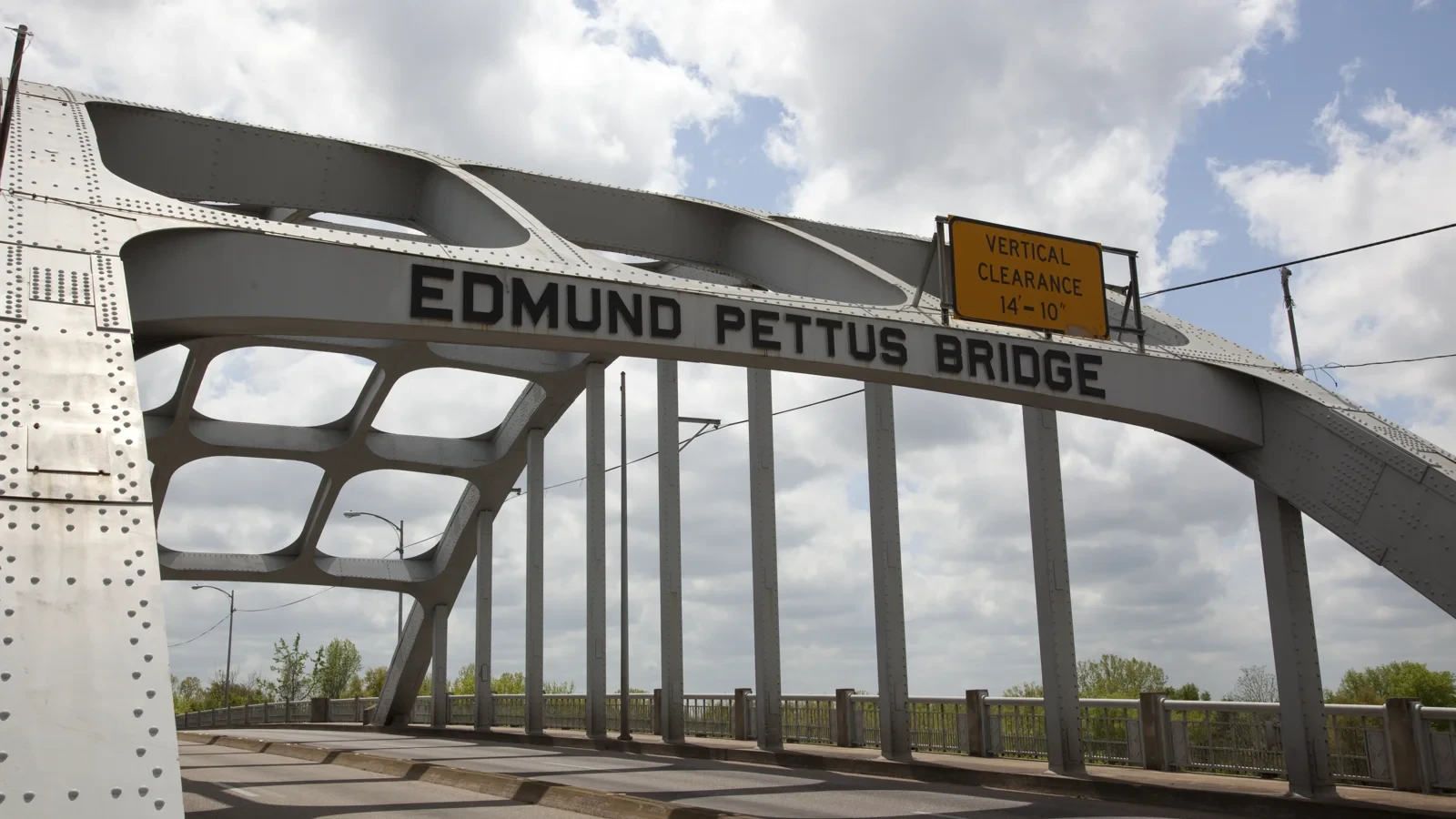
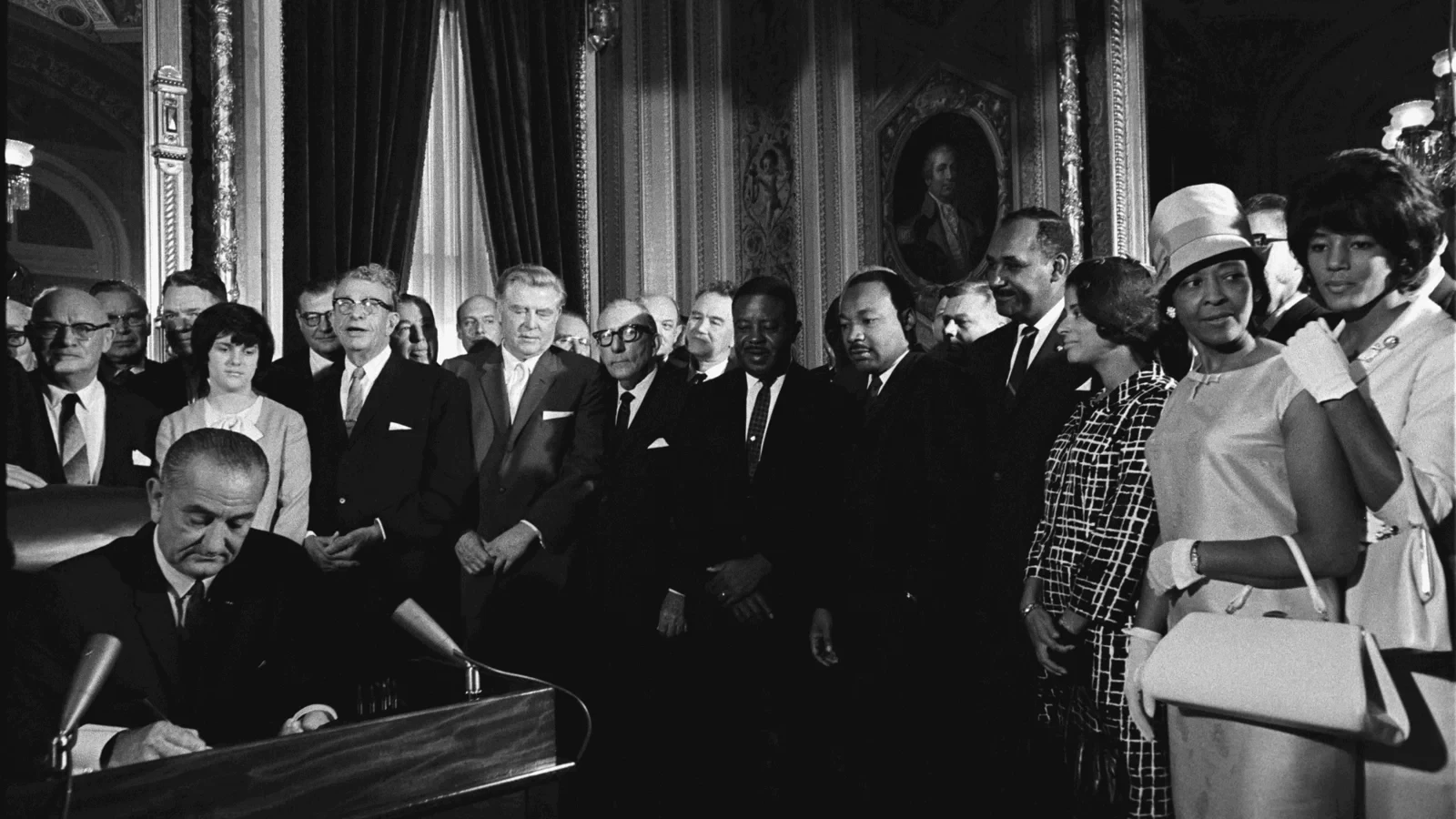
From the rules of Jim Crow to the work that continued after the Voting Rights Act, these eight chapters follow how people organised for change. Meet Rosa Parks as an experienced organiser, trace the practical work behind the Montgomery bus boycott, and explore SNCC’s local networks. Training and debate over nonviolence lead into Selma’s voting-rights campaign and the question of what changed after 1965. Across selected U.S. settings, mainly from about 1940 to 1968, the path connects everyday exclusion, collective action and the struggle to make rights usable.
Explore the chapters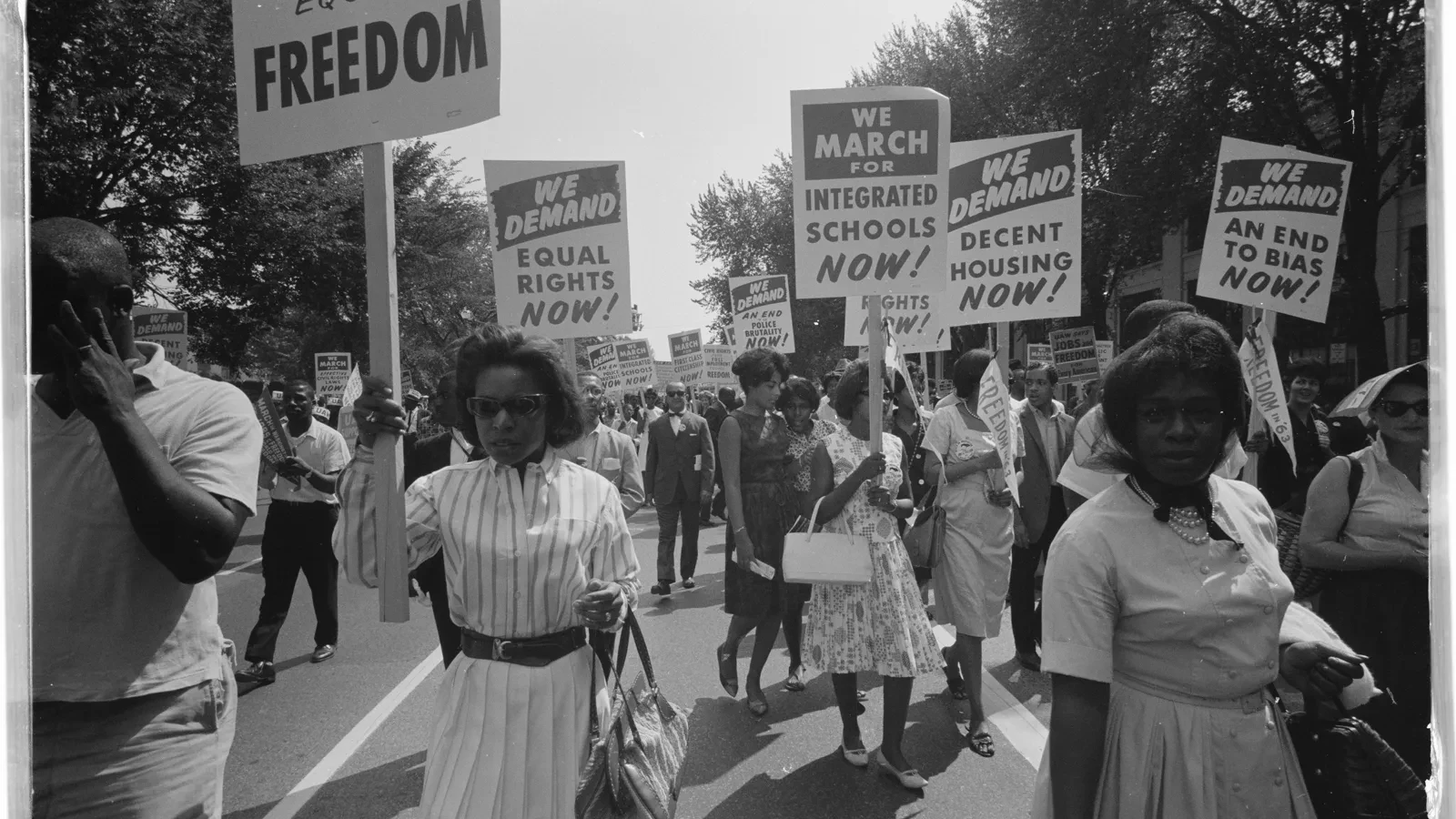
The reading path
Follow the work. Widen the picture.
Follow the eight chapters in order, or begin with the question that interests you. The chapters move between everyday life, a portrait, a campaign, an organisation, a strategy, an event, its aftermath and a concluding comparison.
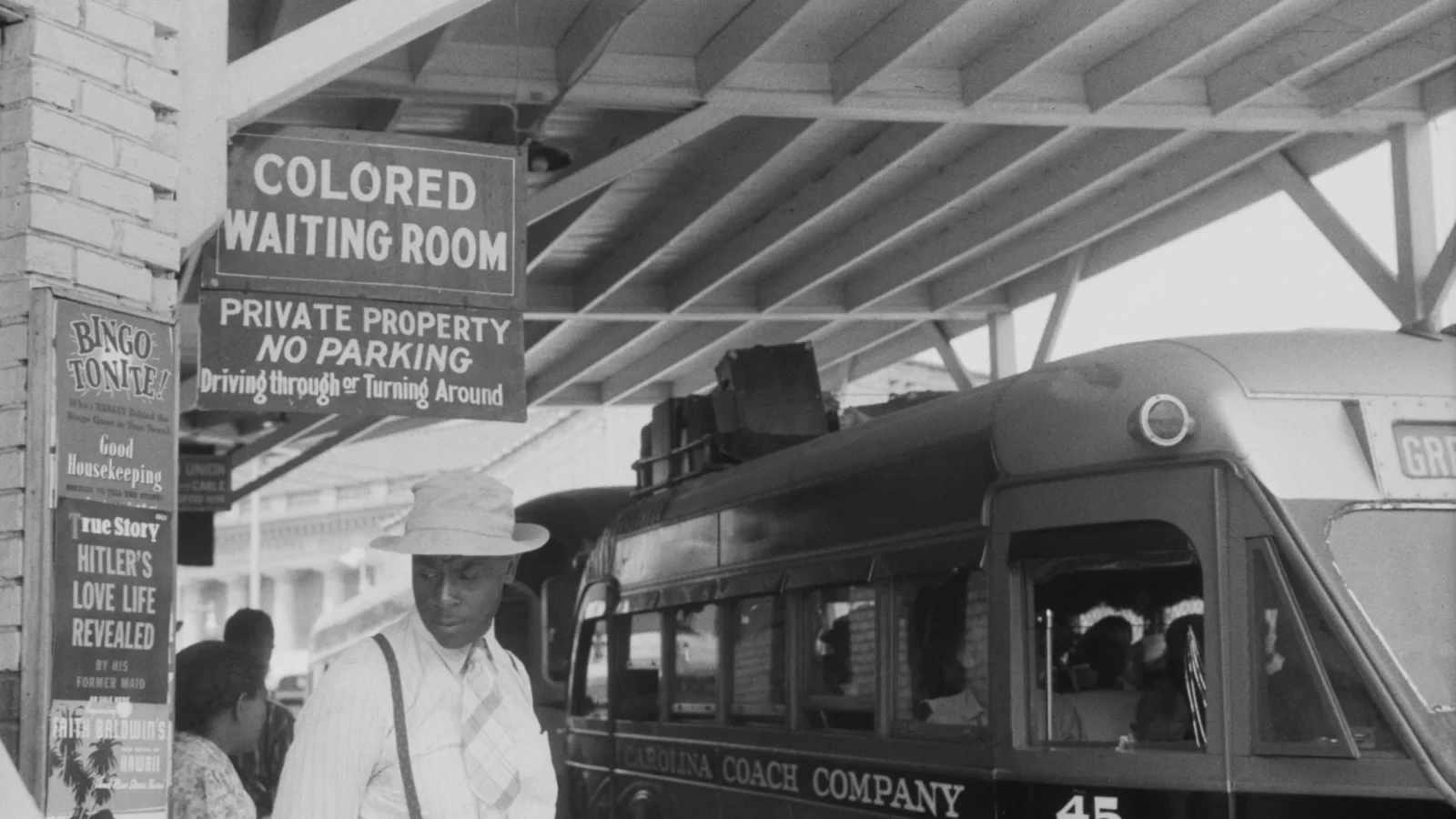
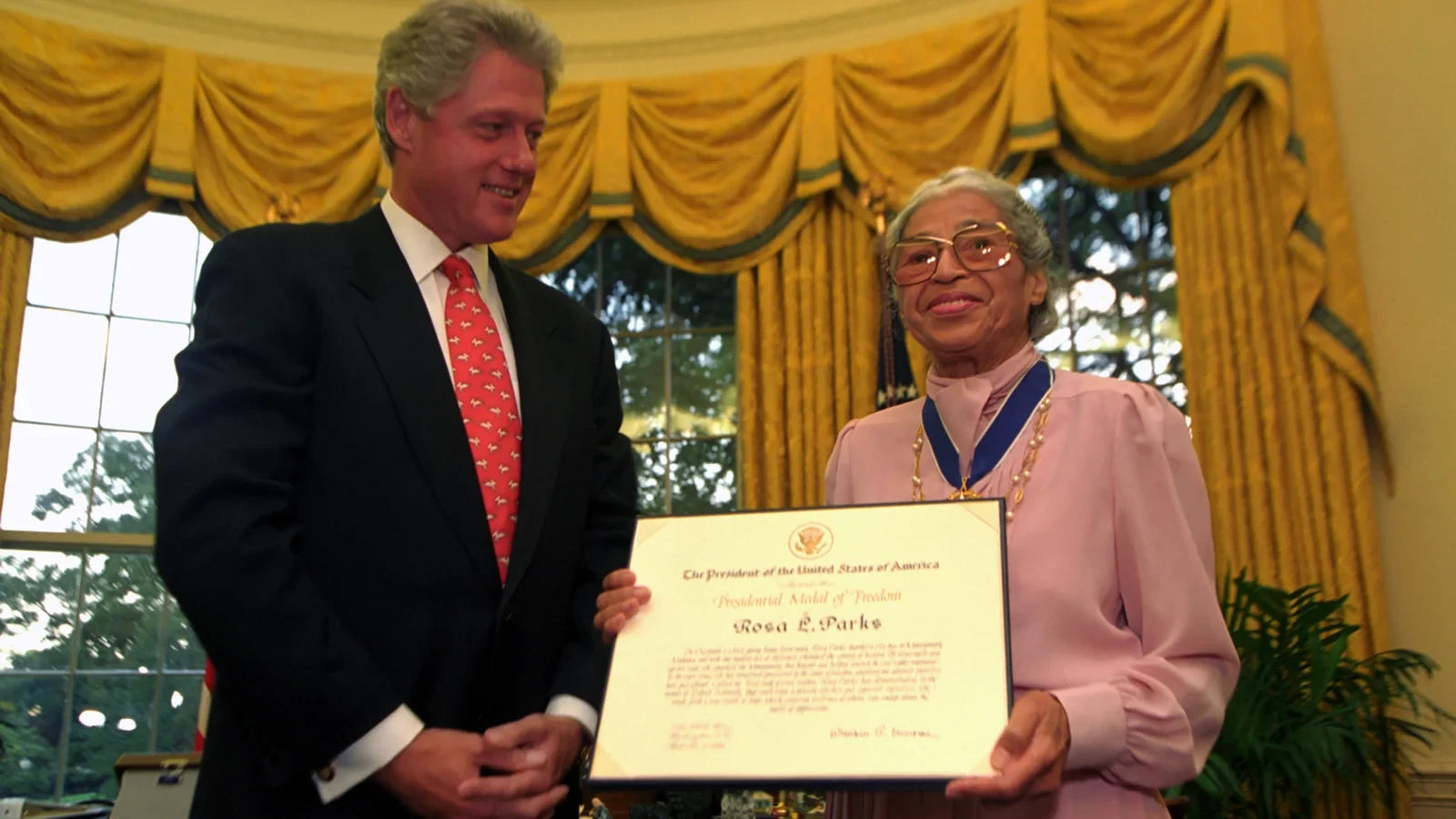
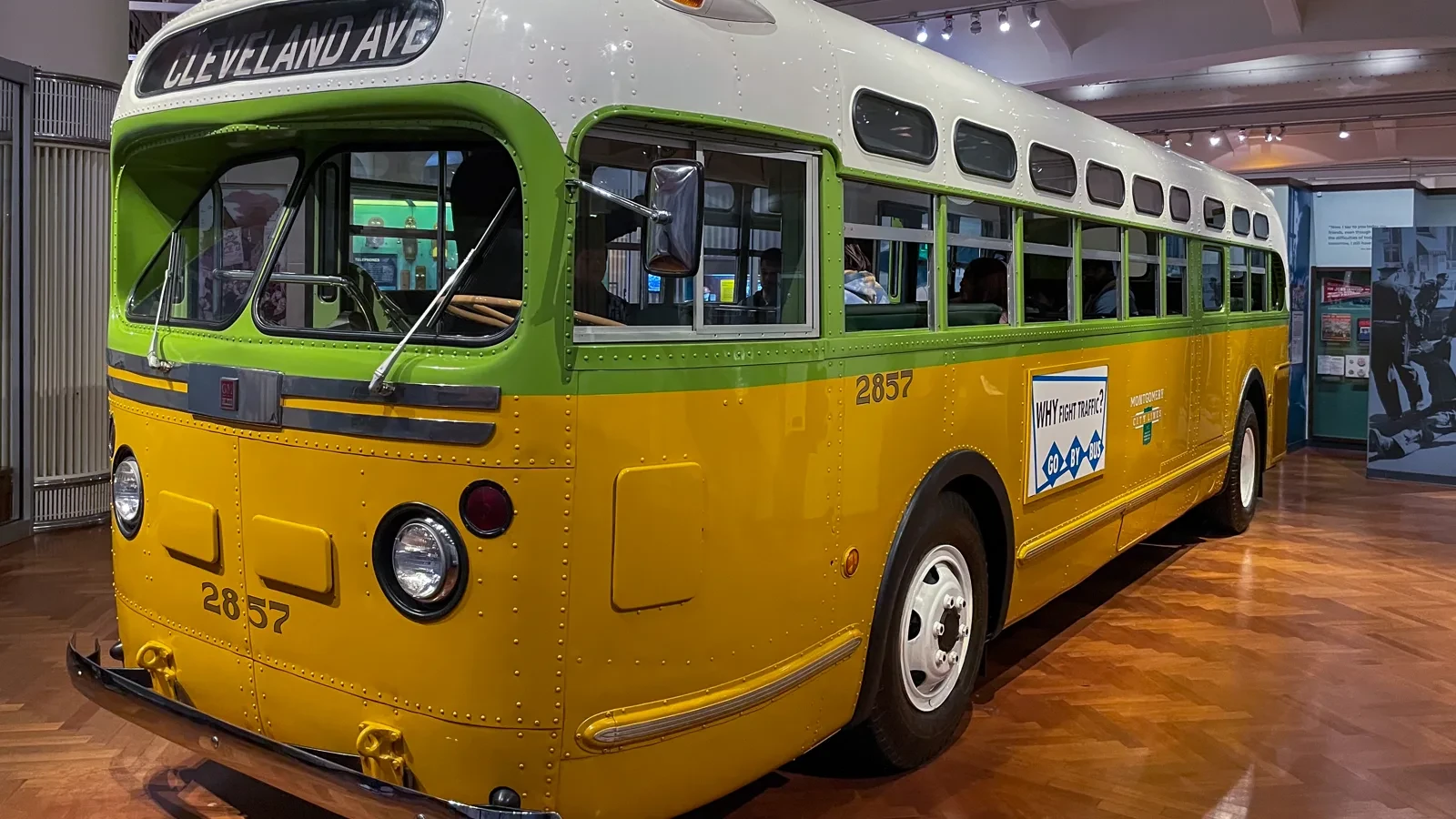
The chapters for this path will be published soon.
Keep exploring
There is more beyond this path.
Explore another reading path, or find a new connection in the Atlas.