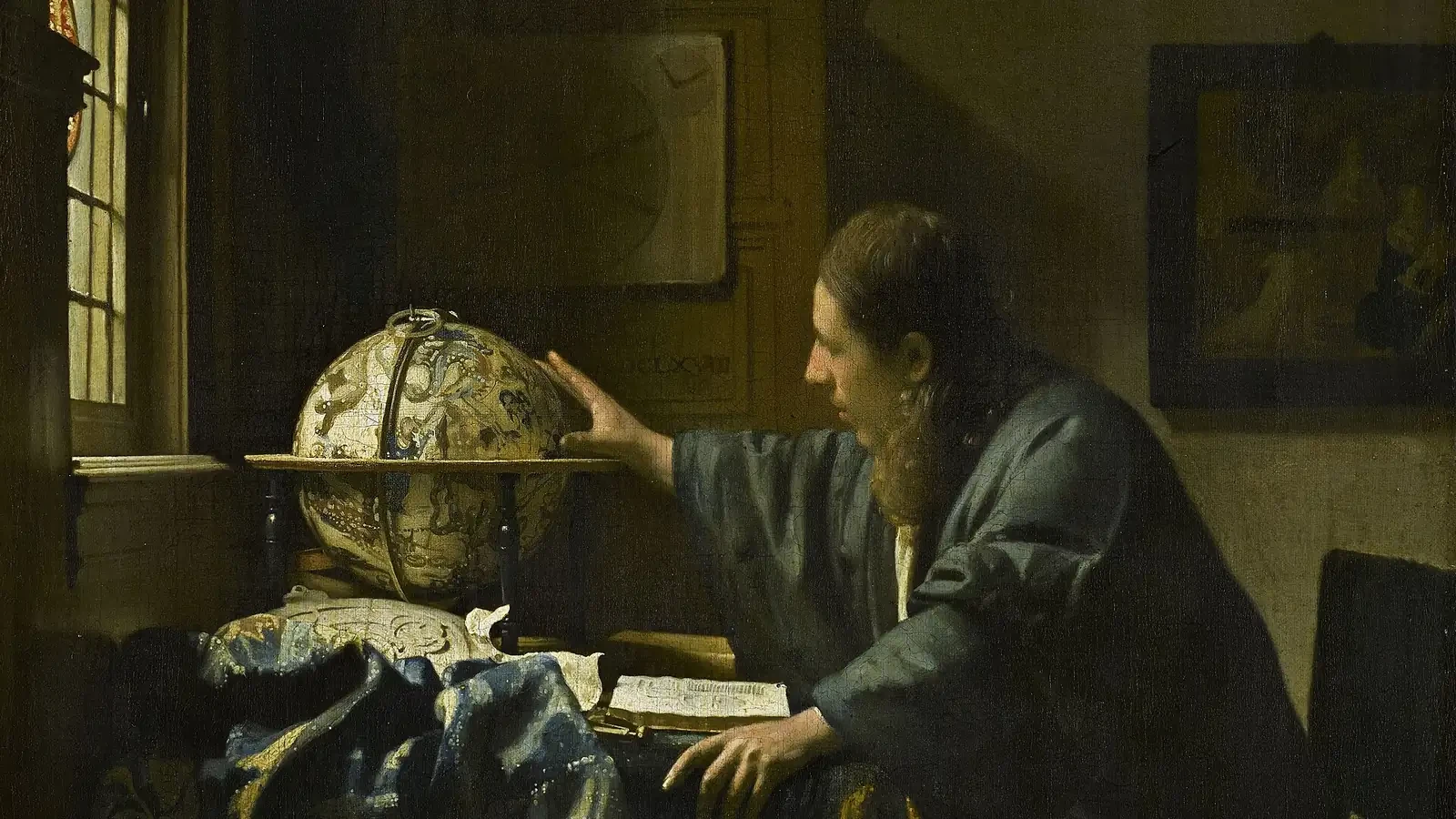
In Vermeer’s The Astronomer, a man reaches towards a celestial globe beside an open book. The painting, made around 1668, gives learned enquiry a recognisable setting: a person, an object and a page. Yet the apparent solitude leaves much outside the frame. Someone made the globe and the book. Information reached their makers through earlier observations and representations. A claim drawn from them would still need to travel beyond this room. The painting stages an image of enquiry, not a complete account of its production.
That missing work connects the investigations in this Story Path. A telescope brought new things into view; an anatomy book made bodily relationships inspectable; an air pump altered conditions around a subject; Merian’s plates connected stages separated by time. None of these achievements automatically supplied an audience that could understand, test or accept every conclusion. Credibility had to be made across the distance between an investigation and someone else’s judgement.
PLACE & TIME
Several connected centres · 1543–1705 CE
Several connected centres
European investigations and colonial Suriname
1543–1705 CE
London is one reference point. This synthesis concerns a network of practices, not one birthplace of knowledge.
First, something had to make a claim possible
The telescope’s lenses did more than illustrate an existing astronomical argument. They changed the detail available to an observer. But the device also introduced a problem: how much confidence should a person place in a strange appearance produced through unfamiliar glass? Galileo’s answer involved construction, terrestrial comparisons and repeated observations. His account of Jupiter’s companions preserves a sequence in which the interpretation changed.
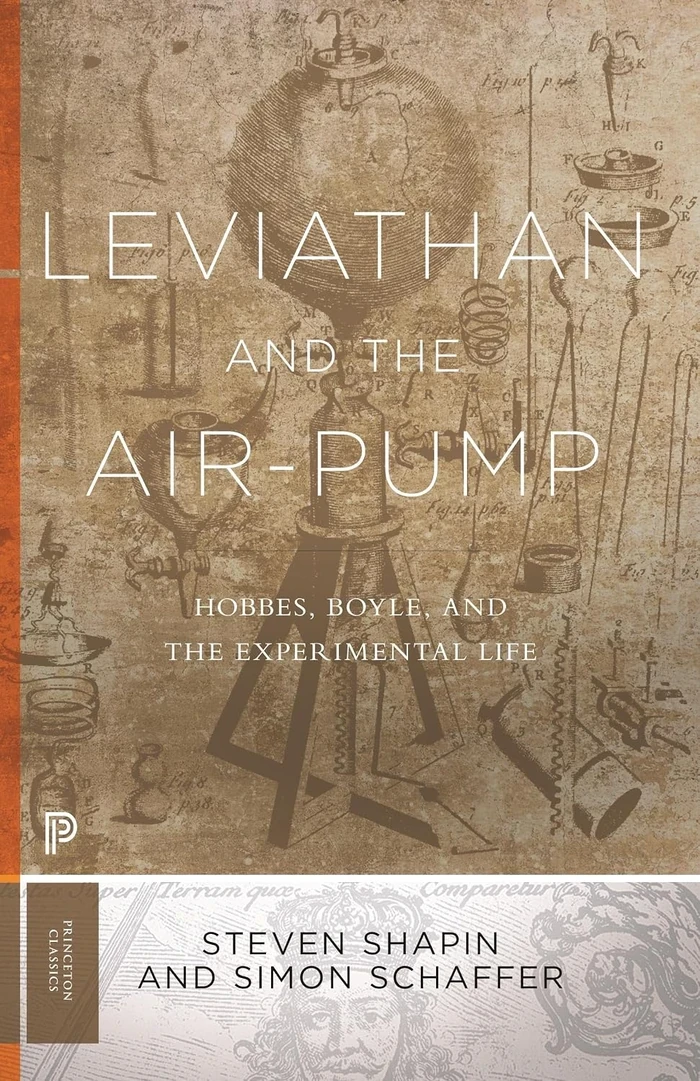
The air pump changed a different condition. Instead of enlarging an object, it reduced the air surrounding a subject in a receiver. Its usefulness depended on joints and seals as well as on the ideas of the investigator. These cases do not identify one universal method. They show how a material arrangement could make a new question manageable, while creating limits that a responsible account needed to preserve.
KEEP THE DISTINCTION
The tool changed both access and difficulty
The early telescope
Repeated appearances of objects too small or distant for unaided sight.
Optical quality, a narrow field and the challenge of interpreting unfamiliar appearances.
The air-pump receiver
Effects associated with removing and readmitting surrounding air.
Keeping the intended conditions stable, identifying relevant changes and following outcomes for long enough.
Insect rearing
A sequence connecting living stages and the plants that sustained them.
Maintaining subjects over time, finding suitable material and recording more than the adult’s final appearance.
Second, an event had to become a record
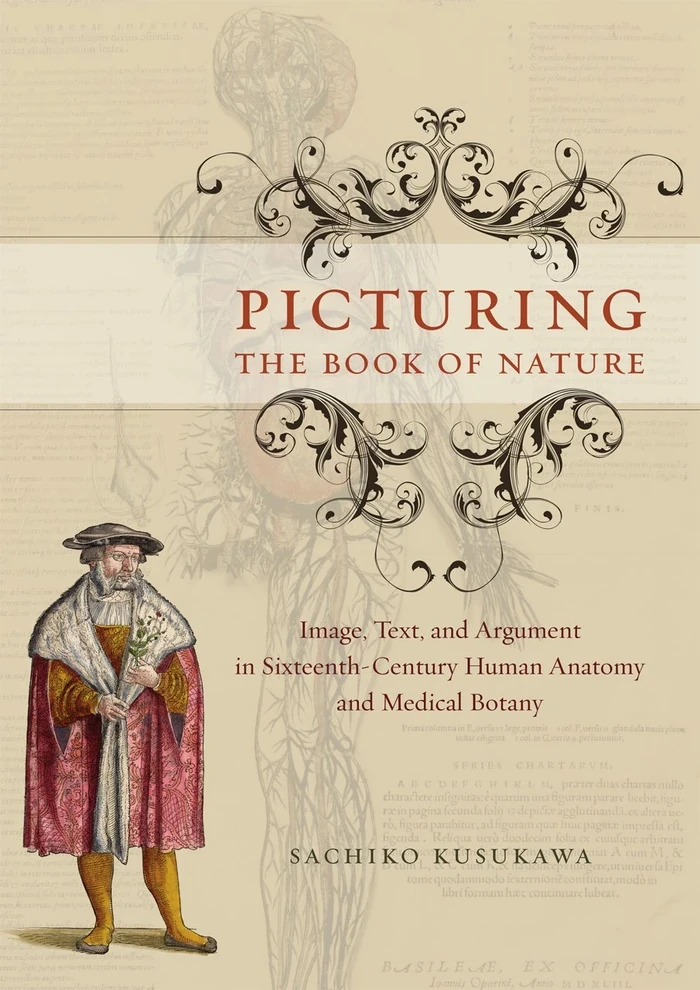
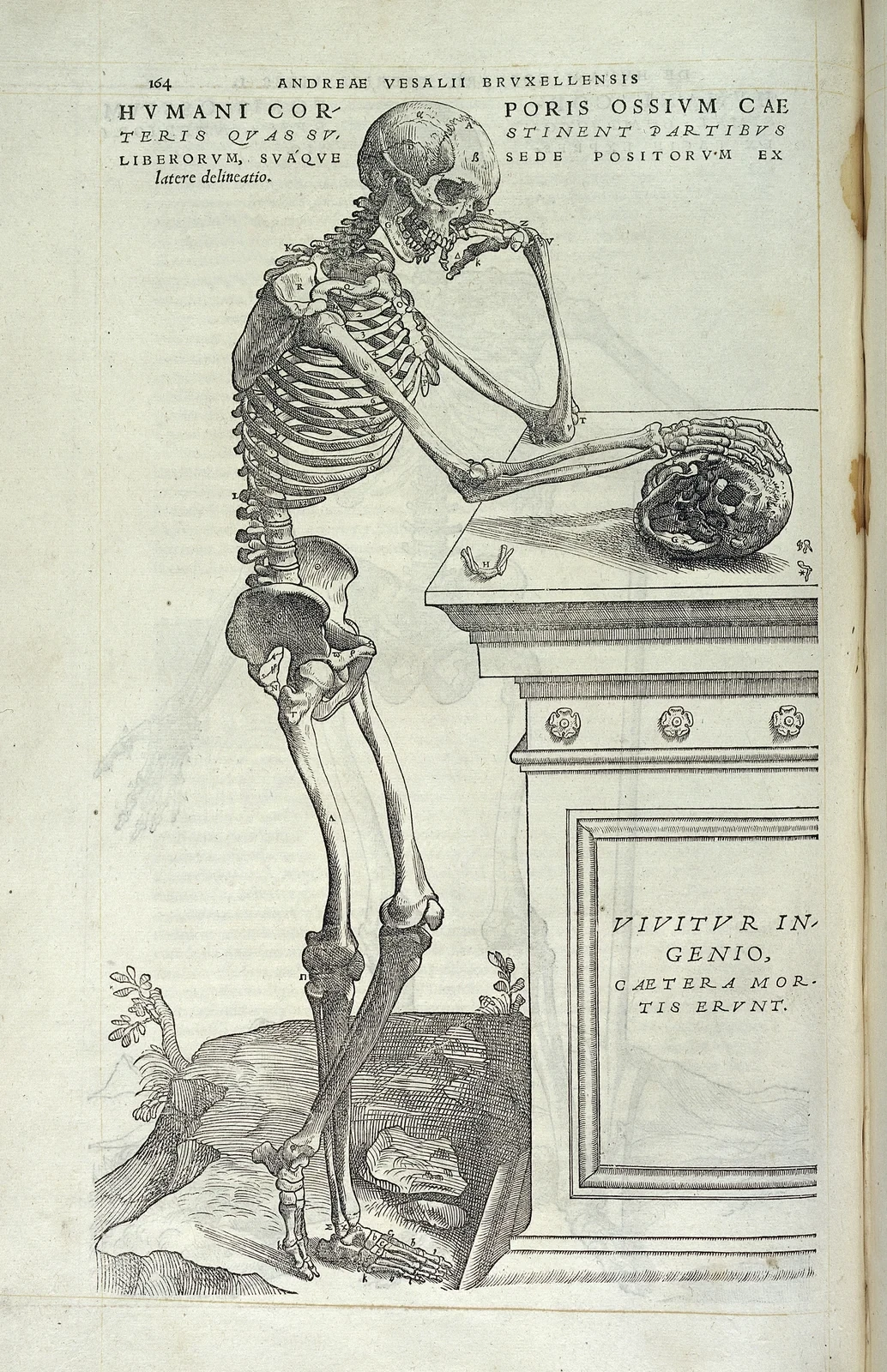
A person present at a dissection had access to a changing body. A reader of the Fabrica encountered a stable, selected view. The page did not reproduce the whole event, but it made some relationships easier to revisit. Labels and written explanations supplied routes through an image. That organisation was an achievement in its own right, rather than a regrettable loss of the supposedly pure original observation.
Merian’s insect plates solved another problem of representation. A caterpillar, pupa and adult could be placed together even though their changes unfolded at different times. The arrangement made comparison possible. The text could then supply dates and reports that the image did not carry on its own. Her preface and plate descriptions help distinguish the patient investigation from its deliberately composed presentation.
WORDS TO KNOW
Four things a historical account should keep distinct
Observation
An account of what someone noticed under particular conditions. It can be careful without being complete or free of interpretation.
Representation
A drawing, description or arrangement that makes selected features available to another person. Its choices can help conduct an argument.
Interpretation
An explanation of what an observation means. More than one interpretation may remain compatible with the same finding.
Institutional judgement
A decision by an organised body about a claim or its circulation. Its practical authority is not identical to its truth.
The distinction between observation and representation should not become a simple ranking in which a body is always trustworthy and a picture always suspect. A badly handled specimen could mislead; a well-designed figure could clarify. What matters is whether the account makes its selection and reasoning available for examination. Historical sources become more informative when we ask how they work, rather than assign all images or all eyewitnesses the same value.
Third, someone else needed a way to examine it
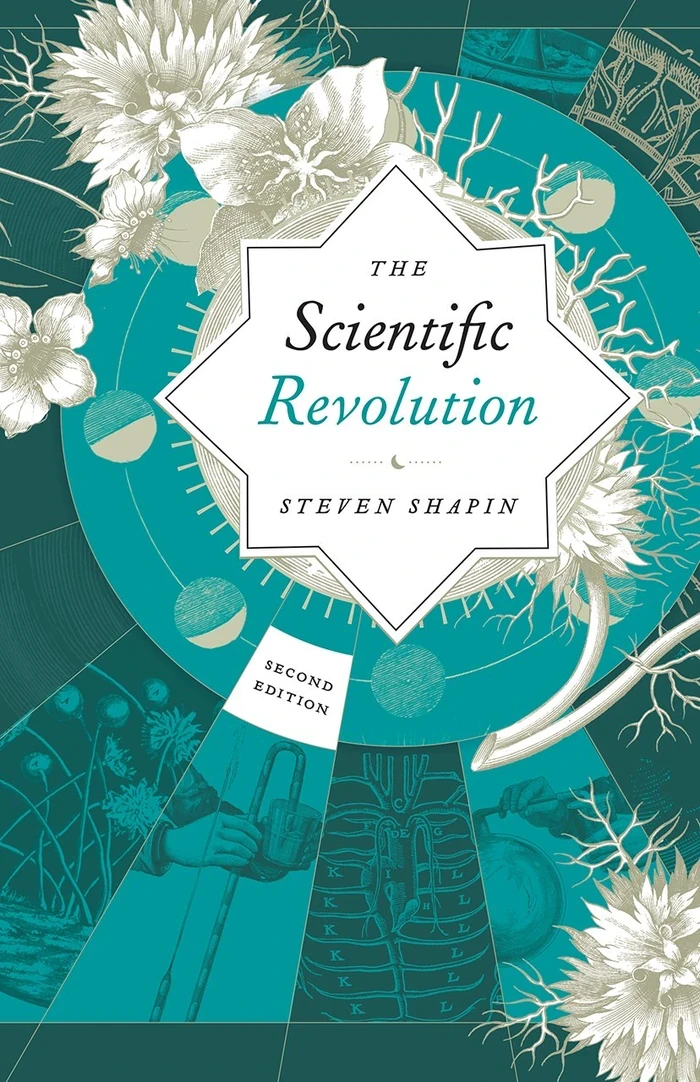
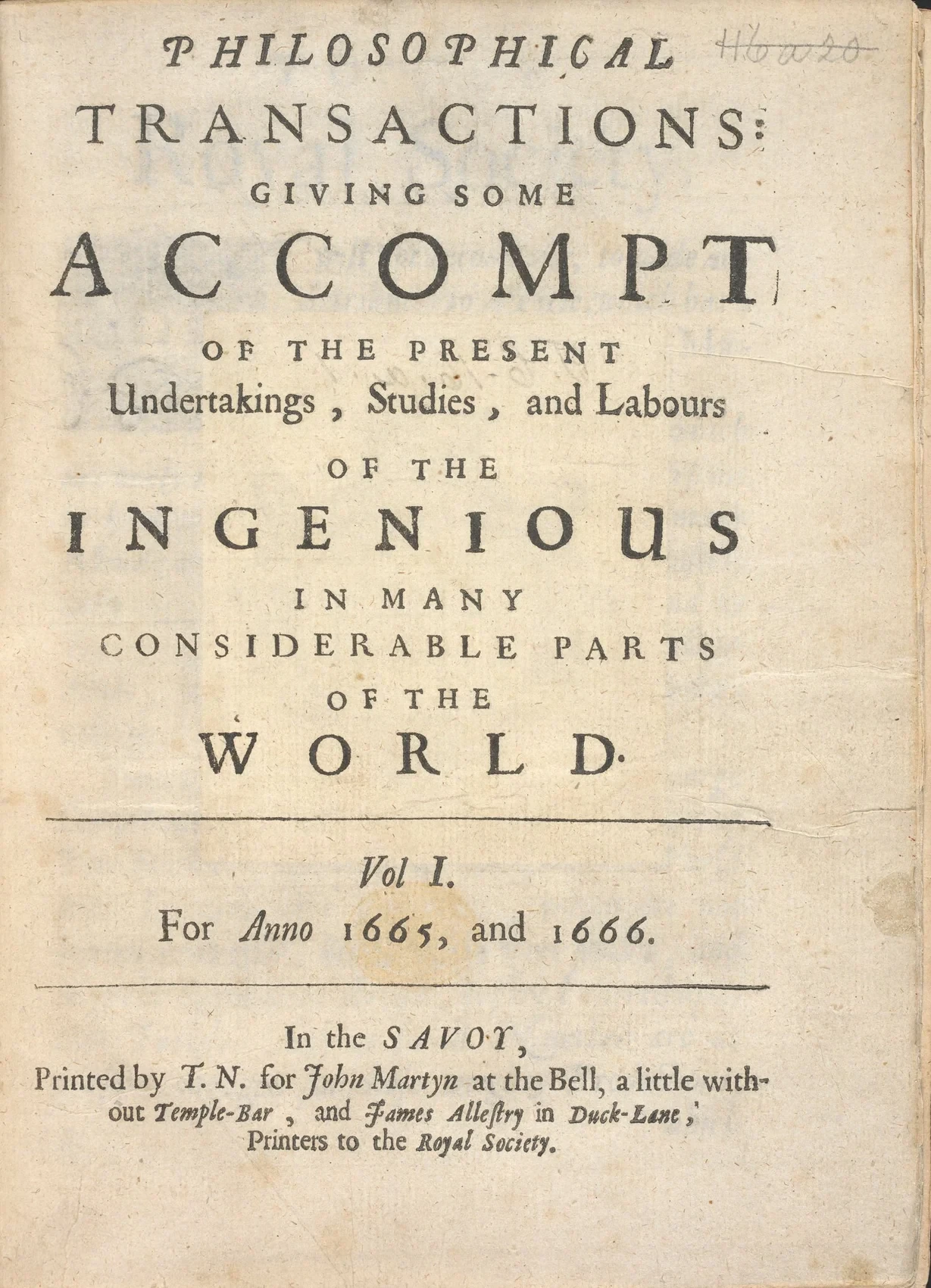
An investigation could remain difficult to assess even after its result had been described. A distant correspondent did not possess the same apparatus or practical experience as its maker. The Royal Society’s exchanges supplied ways to ask for more detail and continue a discussion. Hooke’s 1677 request to Leeuwenhoek for further verification is a small but concrete example. A remarkable report prompted another letter, not an automatic ending.
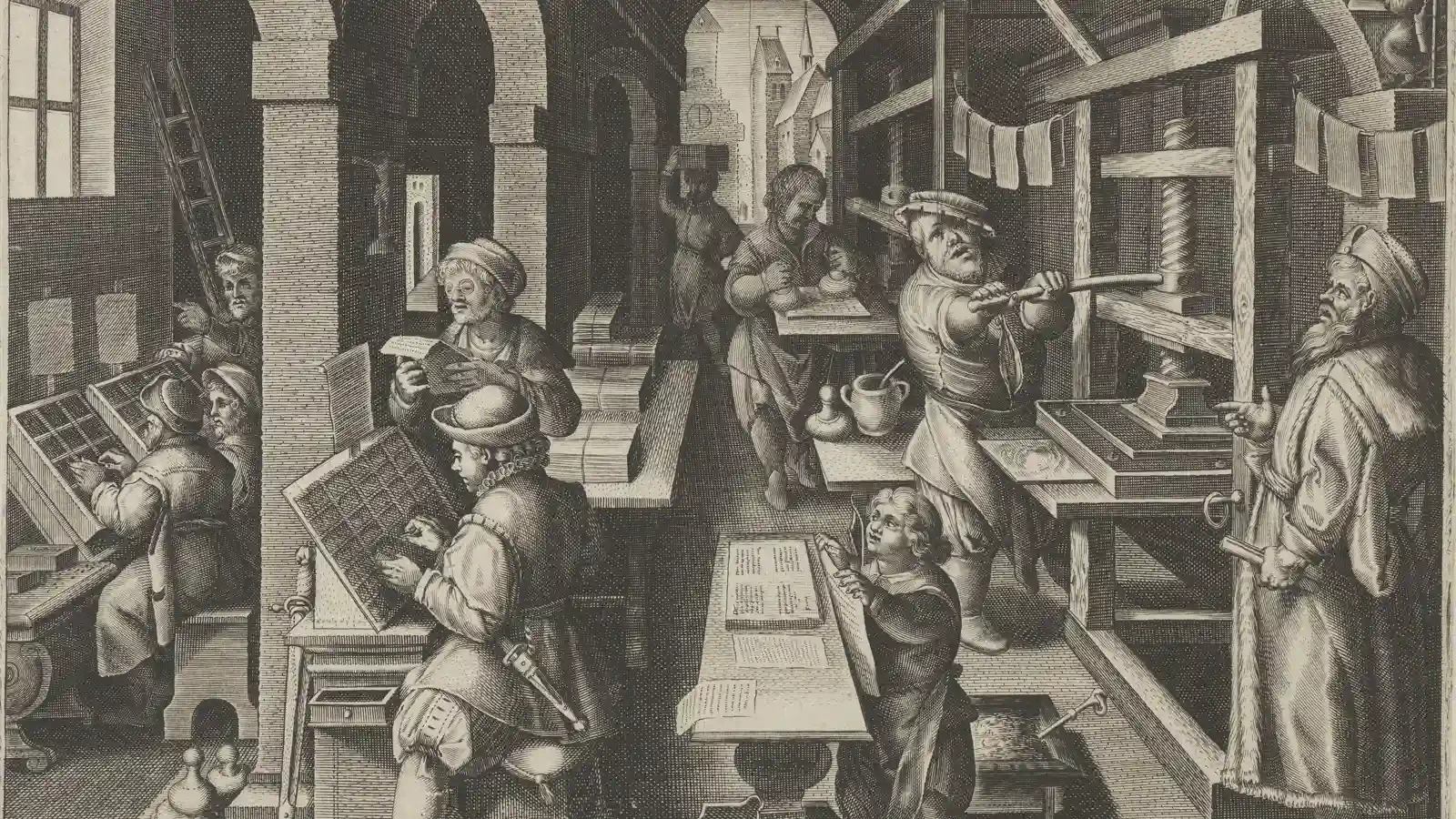
Oldenburg’s journal extended that work to readers who had never met the contributor. Editorial judgement and translation helped make reports usable in a new setting. They also meant that what readers received had passed through additional hands. A publication was neither an untouched voice from nature nor a reason to dismiss the underlying enquiry. It was a particular route through which people could begin to scrutinise it.
FOLLOW THE PROCESS
A claim’s journey could create new points of scrutiny
A local result
A person performed, watched or recorded something under conditions that were not equally accessible to everyone.
A shareable account
Words, figures and dates made selected parts of the enquiry available beyond that setting.
A response
Another reader or observer could identify a gap, compare an explanation or ask for further work.
A revised judgement
Confidence could strengthen, weaken or become more limited. Wider circulation did not guarantee agreement.
Boyle’s frog record gives that last step an unusually tangible form. An animal showing no sign of life later recovered. Ending the account earlier would have supported a different impression of the trial. The next-morning observation changes the history of the result. Credibility depends partly on preserving the details that make a preferred conclusion less straightforward, rather than treating a clean narrative as evidence of a successful experiment.
An observation could be strong without settling everything
Venus’s phases show the importance of asking how far a result reaches. They challenged the usual Ptolemaic arrangement, but fitted Tycho’s system as well as Copernicus’s. That does not make them unimportant. It makes their importance more precise. The observation changed the available argument without independently establishing that Earth moved. Evidence can eliminate one possibility while leaving more than one other possibility alive.
The lesson is historical before it is a lesson about reasoning. Galileo and his opponents were not deciding between a complete modern account and an obviously empty superstition. They inherited questions about motion, explanation and authority that did not line up in that way. Recognising those questions does not require us to excuse coercion or pretend that every account described the world equally well. It lets us identify the actual work an observation performed.
KEY IDEA
A finding can support a precise claim while leaving a larger question unresolved.
An audience also had boundaries
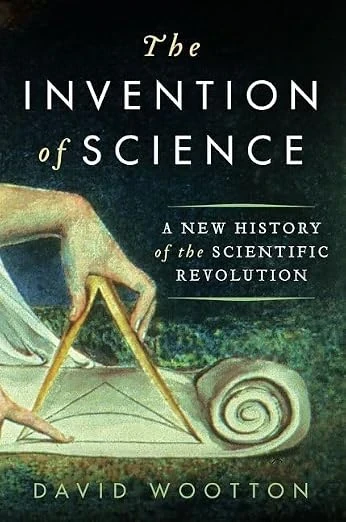
The Royal Society’s public was not the whole population with equal access to a meeting, a book or an instrument. Cavendish could publish on nature and visit a prepared demonstration without becoming a Fellow. A craft worker might supply practical information without occupying the same position as the learned person presenting it. These were differences in the power to contribute, question and receive recognition, not evidence that knowledge existed only inside the institution.
Merian’s Suriname work makes the inequality harder to overlook. Local and enslaved people helped an investigation proceed and supplied knowledge that entered the book. Plate 45 preserves that contribution through Merian’s account, while leaving the people concerned without the same control over authorship or circulation. The text’s reports of suffering and reproductive knowledge belong within the history of how an account was made, not in a separate moral footnote.
KEEP THE DISTINCTION
Contribution, access and authority are different things
Supplying practical knowledge
A person could guide an observer, recognise a plant or make an instrument function.
An equal share in printed authorship or institutional membership.
Reading or witnessing
A person could encounter an account and sometimes question selected details.
The resources to repeat the work or the standing to make an objection heard.
Issuing a judgement
A court or society could control an account’s reception or circulation.
A correct explanation of nature merely by virtue of its authority.
Institutions organised judgement—and could enforce it
Galileo’s trial shows why permission must not be confused with evidential strength. A book that had received approval for printing could still become the centre of a prosecution over earlier restrictions and what it was understood to defend. The tribunal’s sentence of 1633 imposed penalties and an abjuration. Its ability to enforce a decision was real. That power did not convert the decision into a correct astronomical explanation.
The comparison with a learned society should also remain limited. A trial and a request for experimental verification were different procedures with different consequences. We should not flatten them into a claim that all institutions simply did the same thing. The useful connection is a question: who could ask for an account, judge its adequacy and affect its circulation? Asking it directs us towards the particular rules and powers of each setting.
A connected history without a single recipe
The Path began by questioning whether one Scientific Revolution could encompass these developments. By the end, a connection is visible without making every investigation identical. People created new ways to make claims inspectable beyond their original settings. Instruments, images, records, meetings and publications worked together in changing combinations. Their success depended on practical labour and on audiences able to engage with what was presented.
That is a substantial transformation, but it was not an automatic progression towards equal, disinterested or universally shared knowledge. The different practices had different limits. Some participants gained new routes to recognition while others supplied indispensable work through unequal relationships. A history of credibility can acknowledge genuine achievement without turning its makers into solitary heroes or its institutions into guarantees of truth.
TAKE THIS WITH YOU
Follow a claim from its making to its reception
Ask what made the result possible
An instrument, a body, a plant and practical expertise created particular opportunities for enquiry.
Ask how the account could be checked
Figures, dates, descriptions and correspondence gave other people ways in, while preserving different limits.
Ask whose work remained visible
The named author and recognised institution were rarely the whole community through which knowledge had been made.
Return to Vermeer’s apparently solitary observer. The room still contains a person, a globe and a book. What has changed is what we can now see around them: the material work, inherited arguments and human connections that made enquiry possible. The question is no longer simply whether someone looked at nature. It is how that looking became an account others could examine—and who had a place in that process.