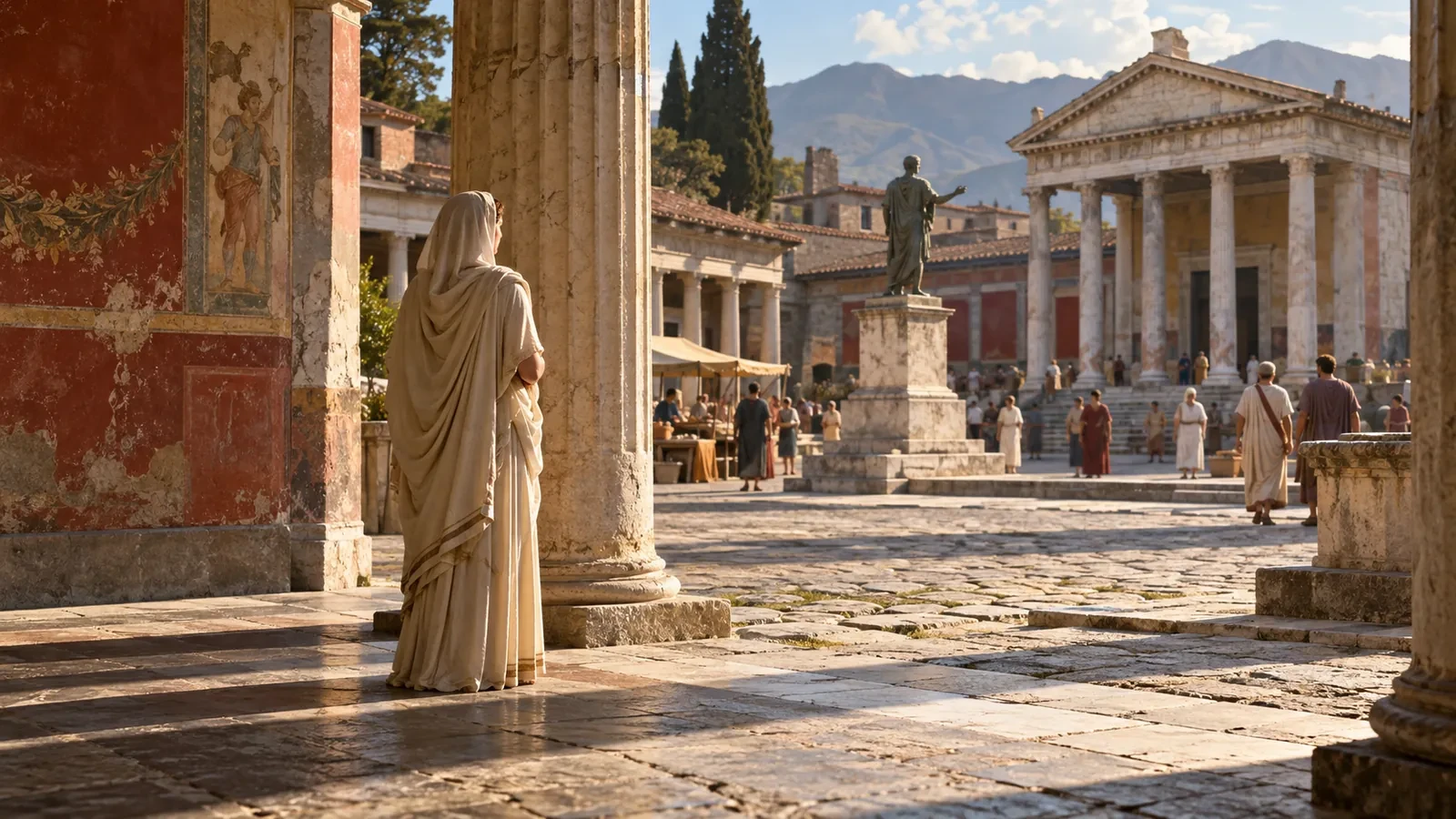
A woman’s name on Pompeii’s Forum was more than a signature. Eumachia’s inscriptions and statue reveal how money, religion and public honour could make a life visible.
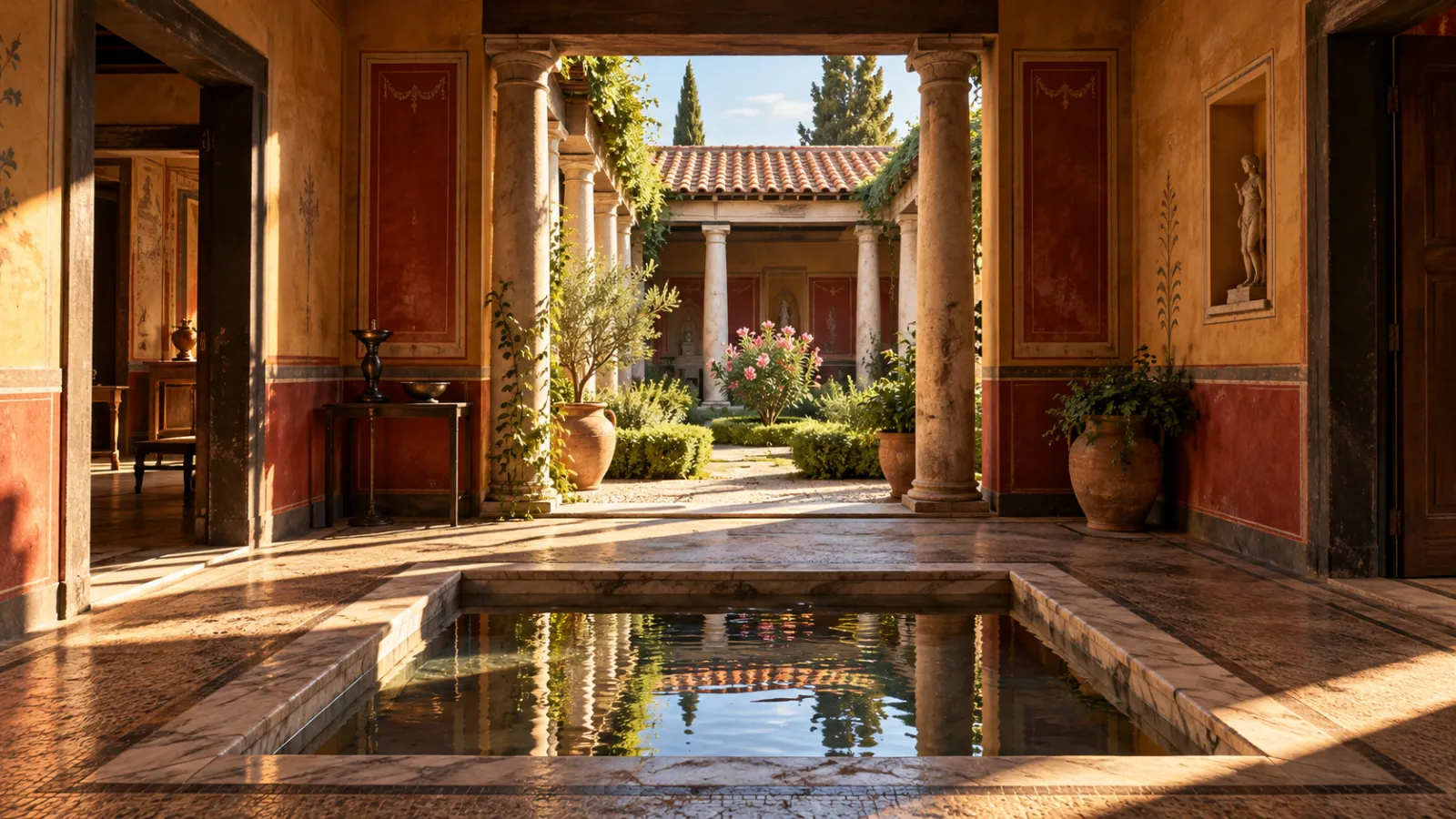
A garden could impress guests. An atrium could become a washing basin. Follow three Pompeian properties to see how home, work and status shared the same streets.
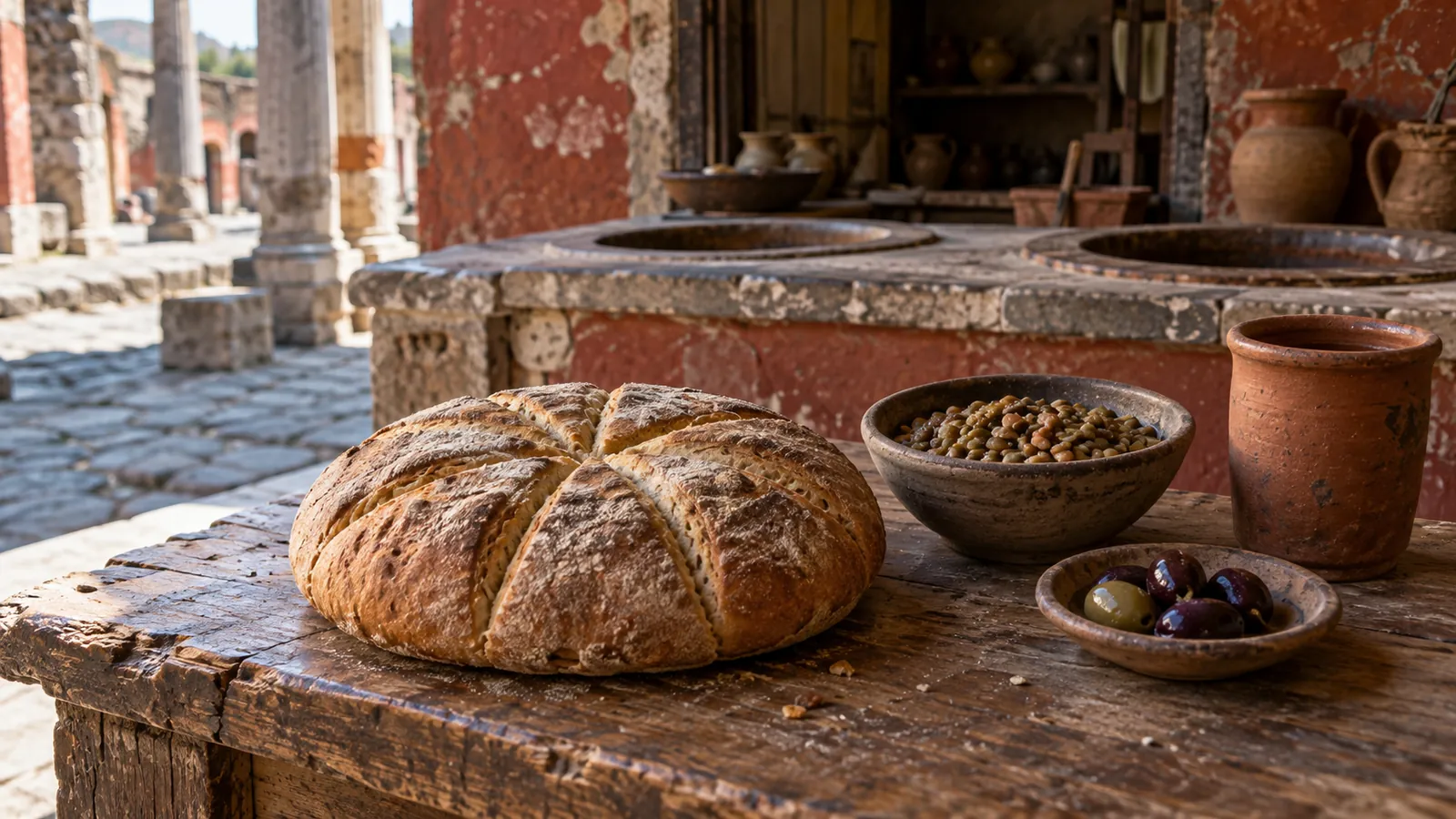
Bread, fish sauce and a meal at a street counter bring Pompeii’s everyday world into focus. Follow food from bakery to dining room—and discover whose work made eating possible.
A clay account and a brick well reveal two ways to read an early city. Compare the work, knowledge and authority that brought urban life together—and the burdens it placed on people.
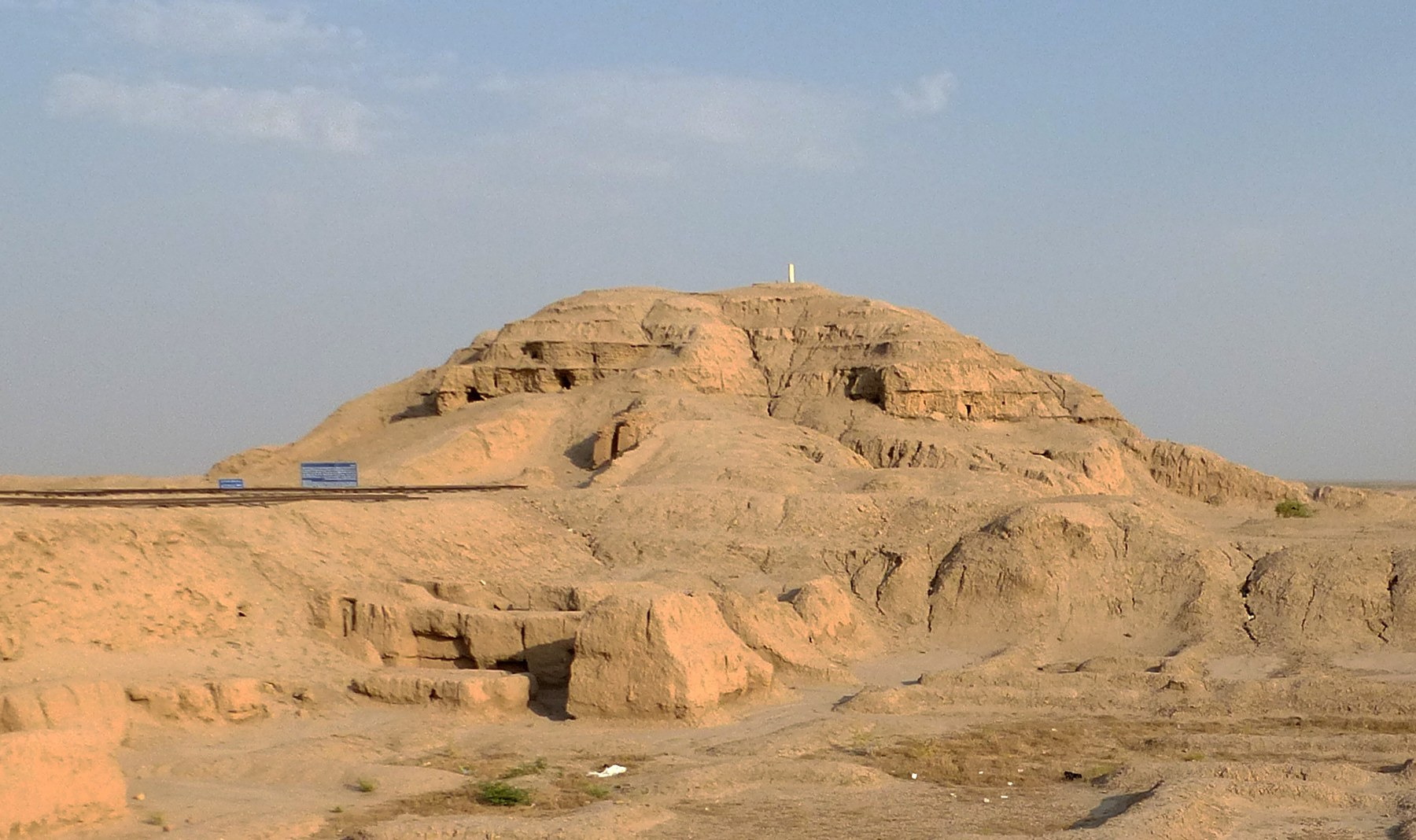
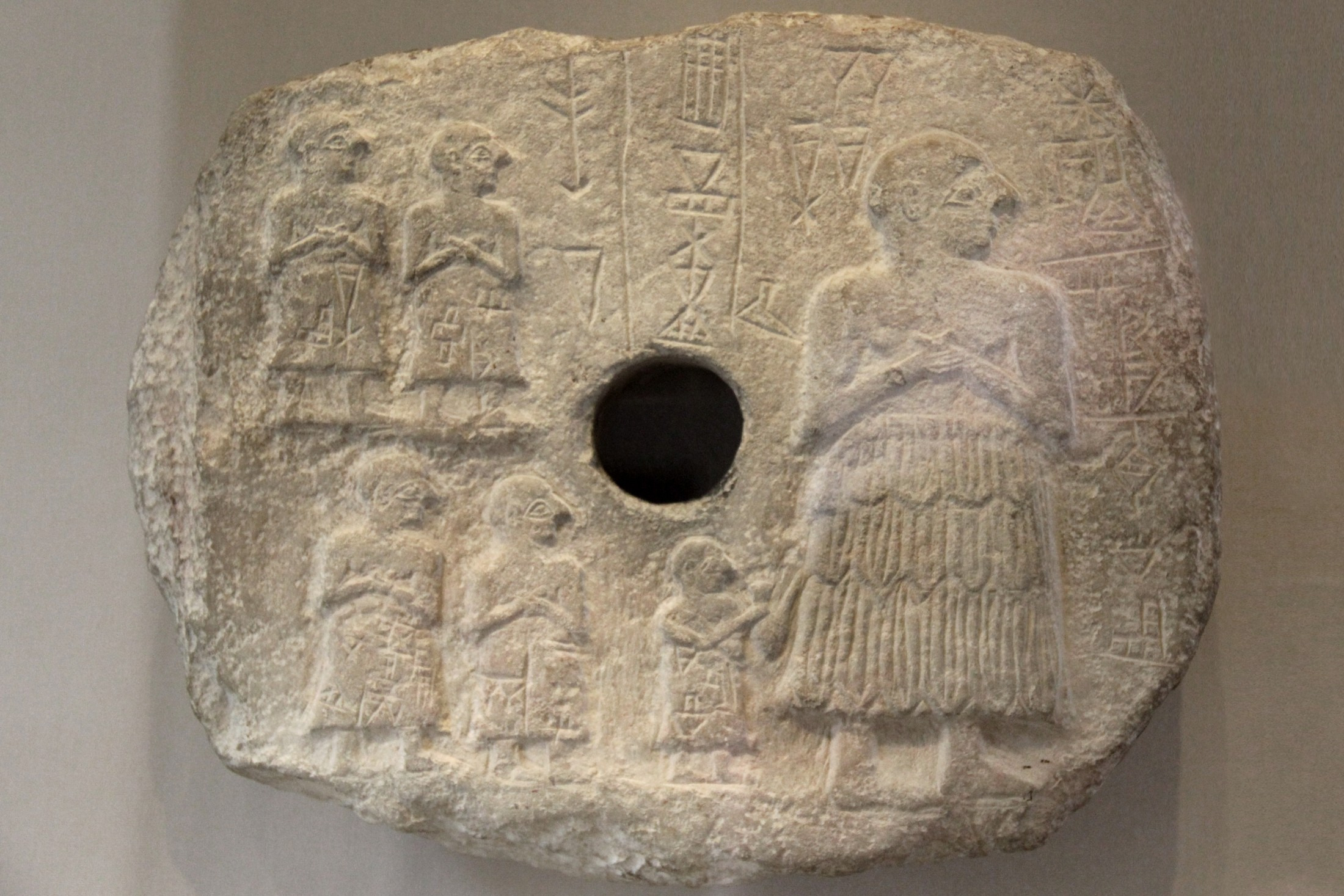
Royal names, inscribed building materials and rich graves offer different clues to power. Follow the evidence from Girsu and Ur, including the title on Puabi’s seal.