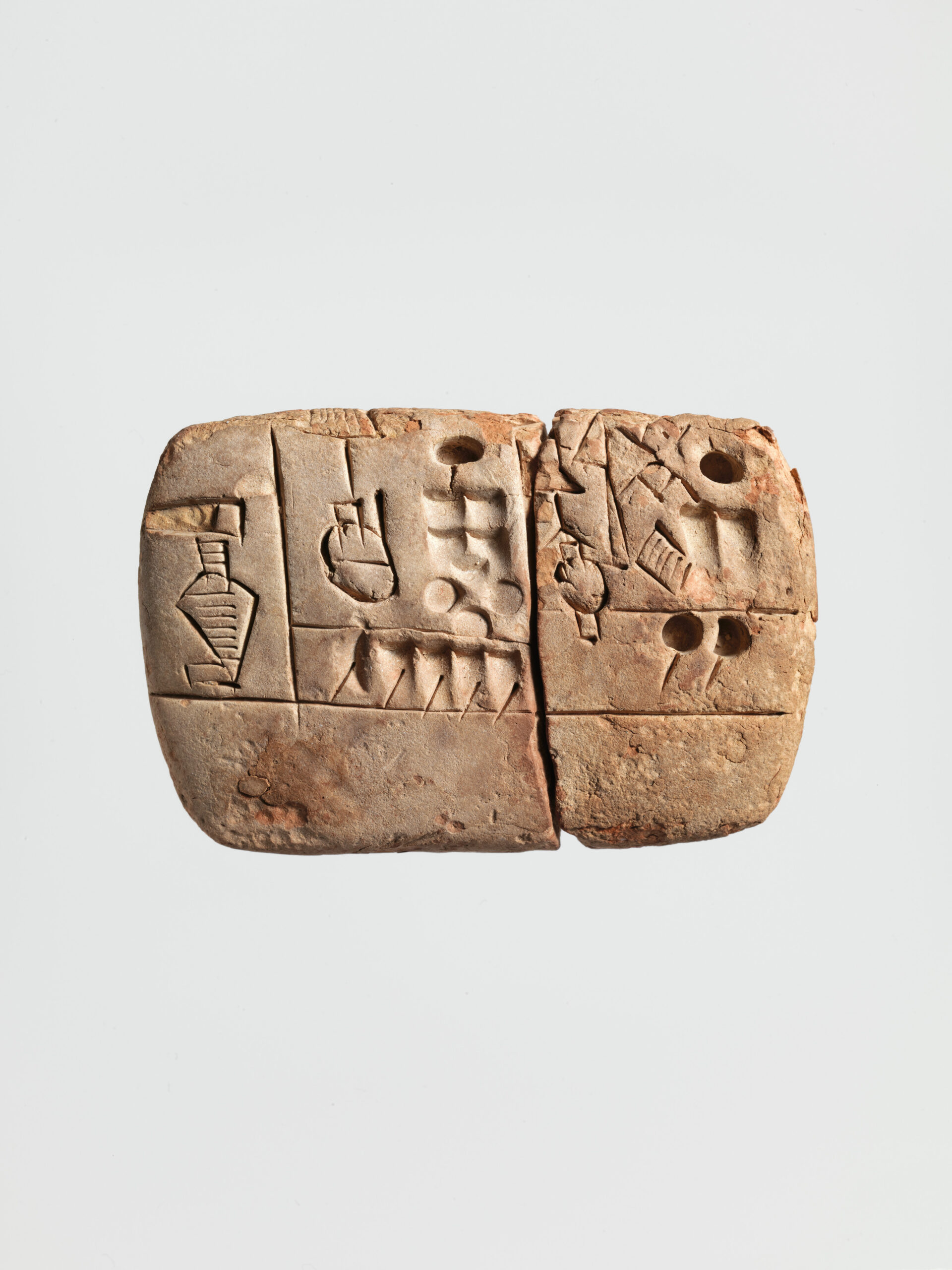
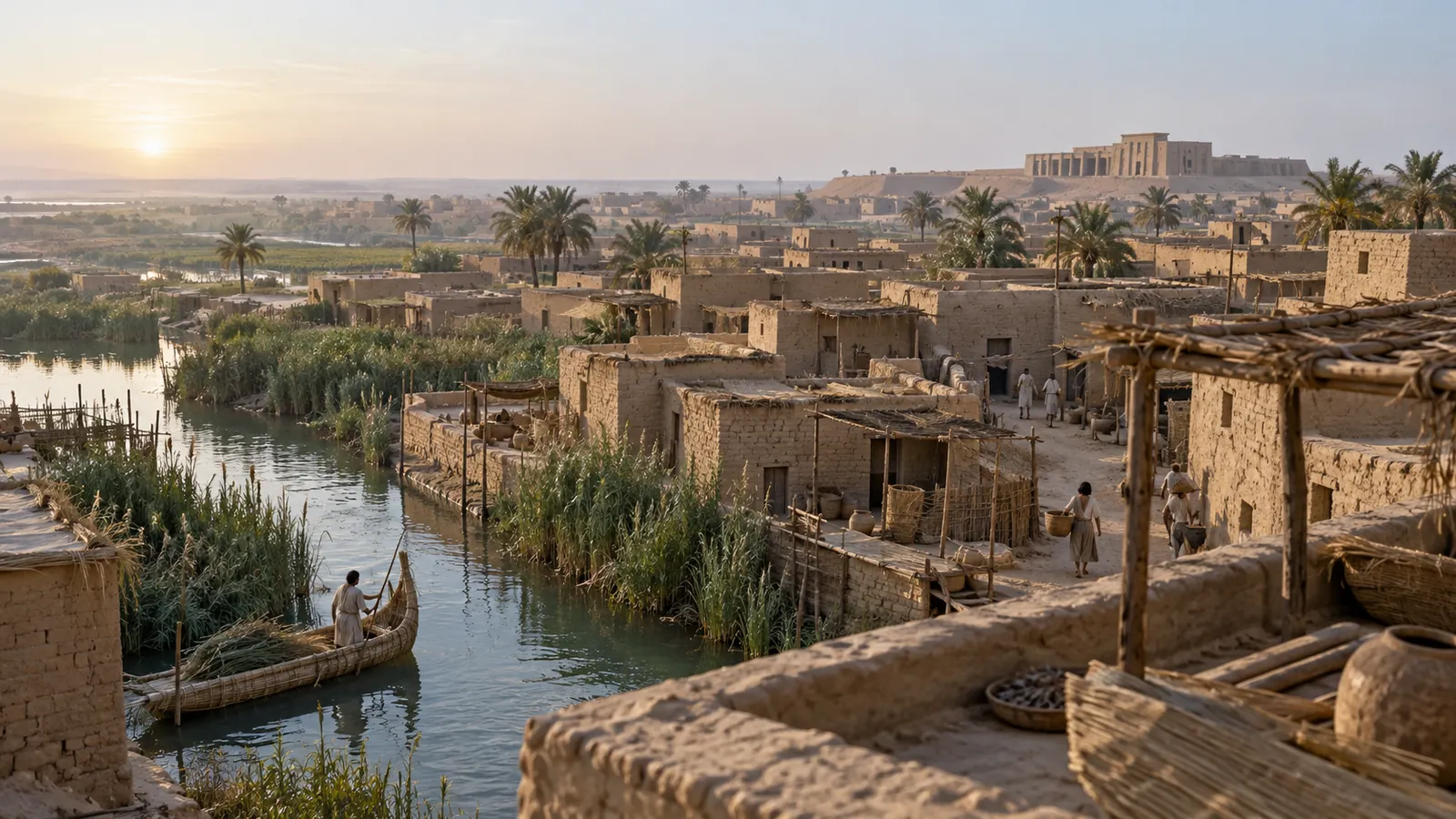
A clay account and a brick well reveal two ways to read an early city. Compare the work, knowledge and authority that brought urban life together—and the burdens it placed on people.
A kingdom could lose its provinces and capital without ending the history of its cities. Follow the fall of Ur III through clay records, remembered disaster and a later house at Ur.
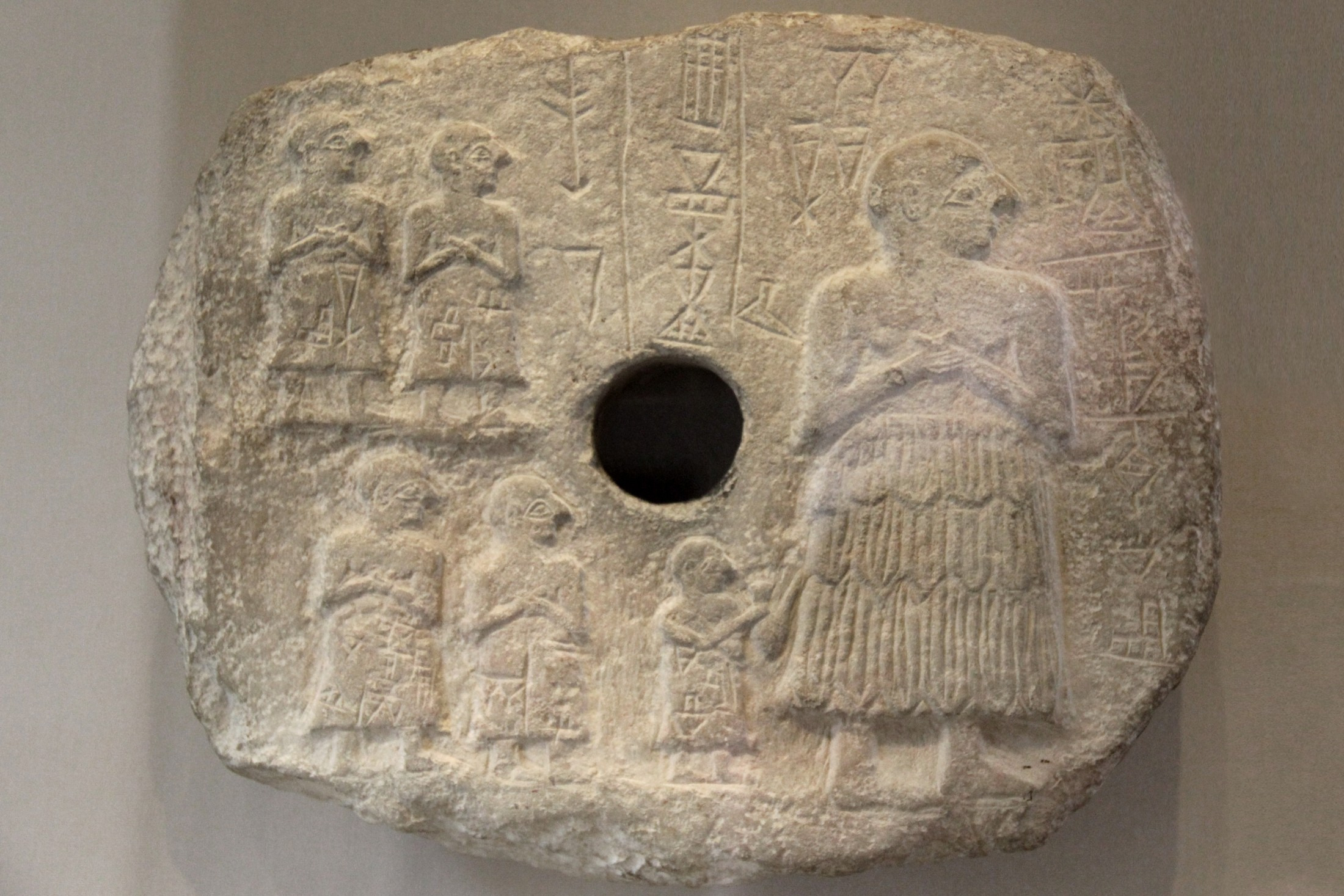
Royal names, inscribed building materials and rich graves offer different clues to power. Follow the evidence from Girsu and Ur, including the title on Puabi’s seal.
Copper and lapis came from beyond the southern lowlands. Woollen cloth could travel out. Compare three goods to understand the work and connections behind Mesopotamian trade.
In Early Dynastic Lagash, bringing river water to a field depended on a connected canal network—and organised work. Follow the route and examine the evidence.
Writing in Mesopotamia began with practical records. Follow the changes that let clay tablets identify goods, organise information and eventually represent speech.