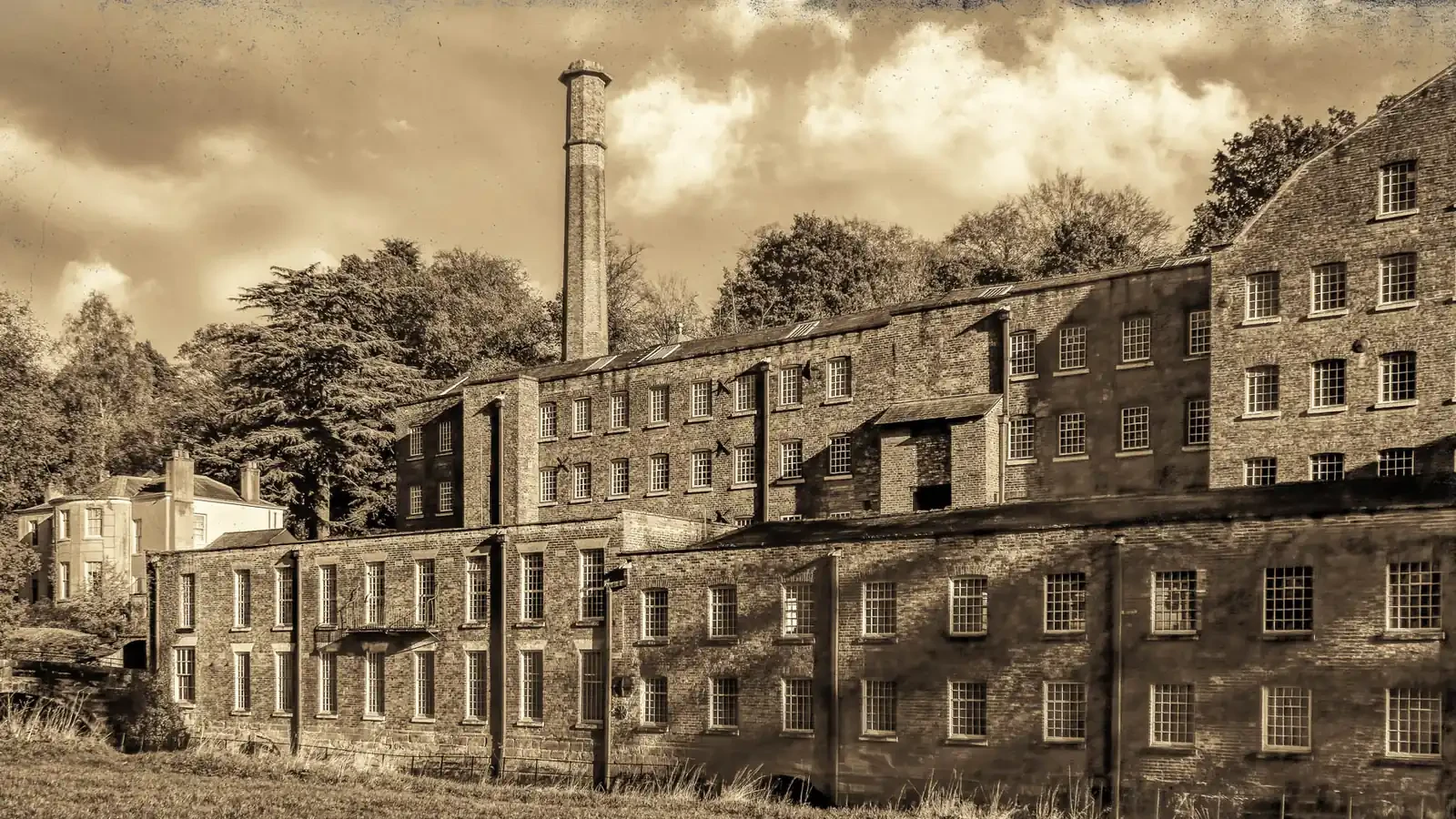
A law could shorten a shift on paper. Changing a child’s day required inspectors, age certificates, school attendance and decisions inside the factory. Follow what changed—and what the rulebook could not settle.
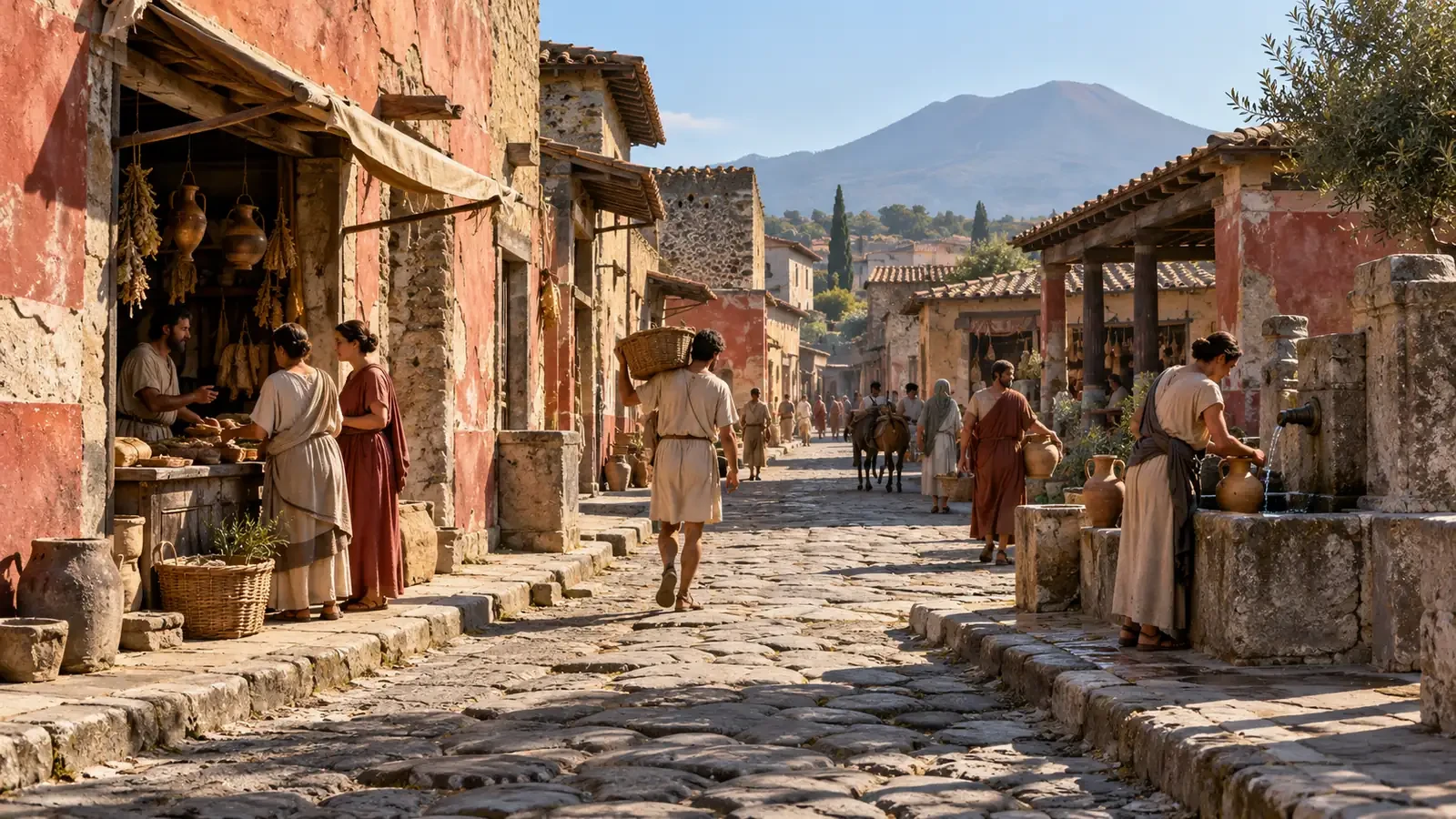
A courtyard could be a place to relax or a place to work. Pompeii reveals how ordinary activities connected people whose freedoms were far from equal—and why one town cannot tell the whole Roman story.
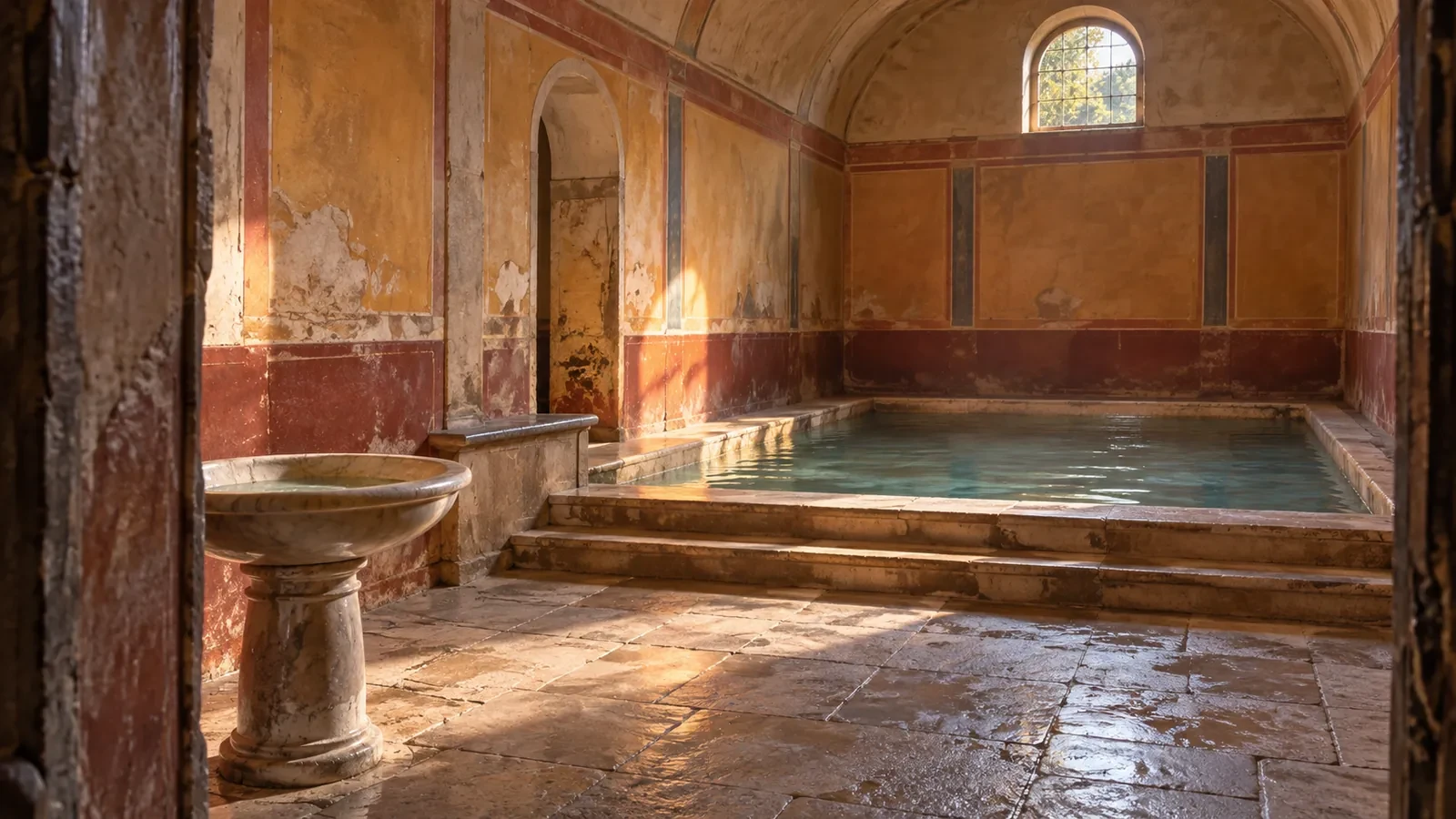
The warm floor was only the beginning. Beneath Pompeii’s baths lay furnaces, pipes and a chain of work that turned fire and water into an everyday pleasure.
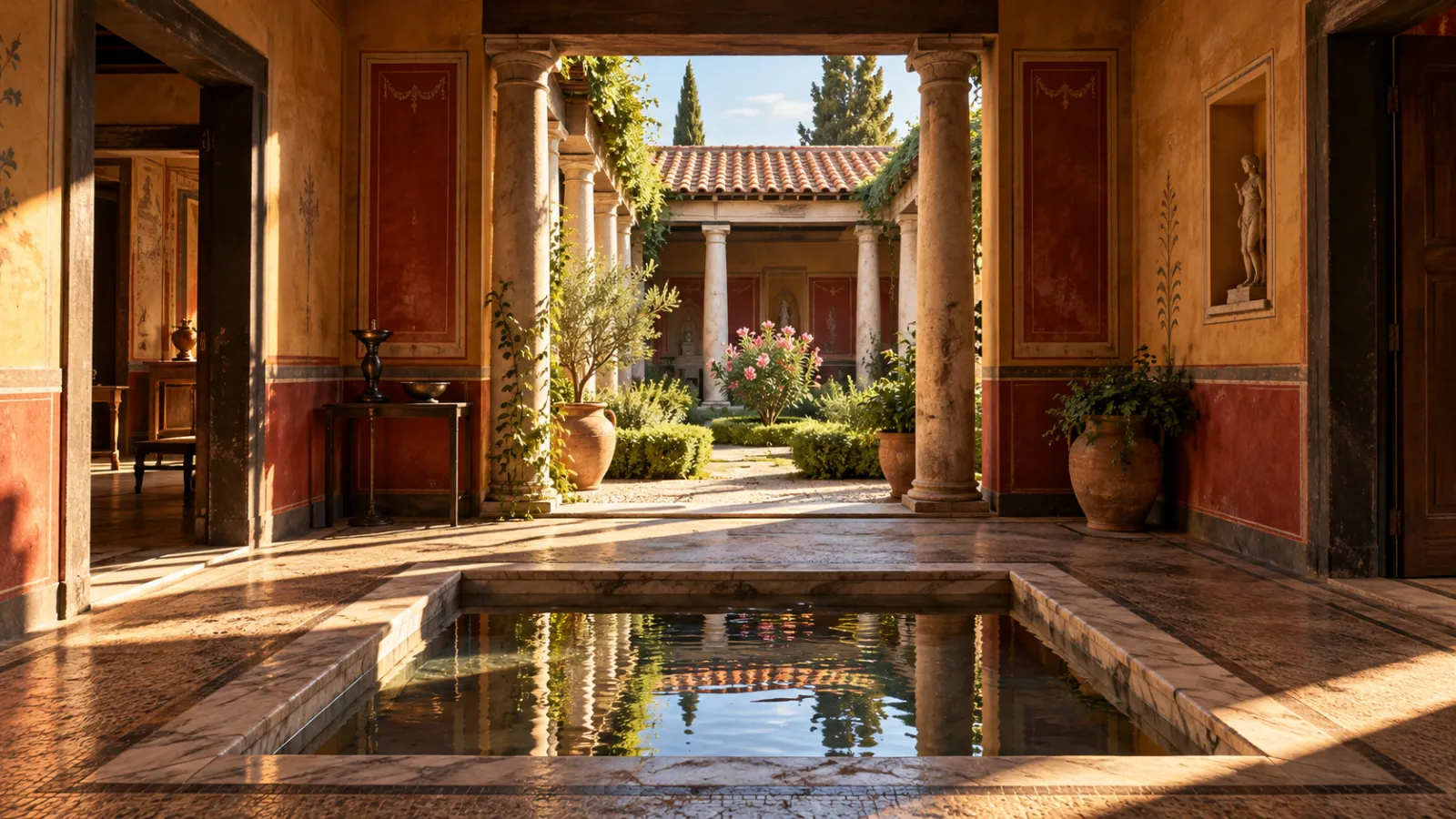
A garden could impress guests. An atrium could become a washing basin. Follow three Pompeian properties to see how home, work and status shared the same streets.
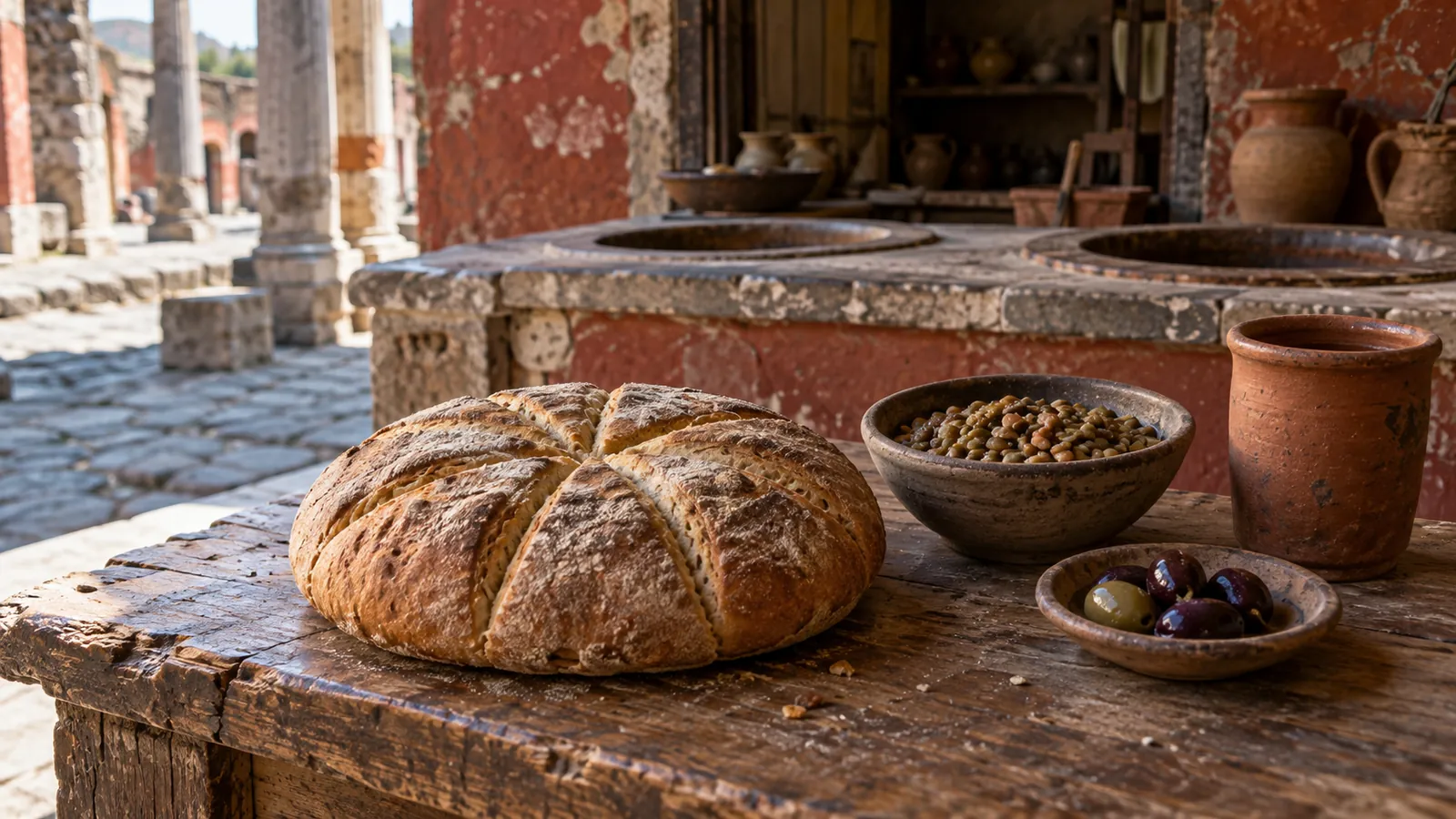
Bread, fish sauce and a meal at a street counter bring Pompeii’s everyday world into focus. Follow food from bakery to dining room—and discover whose work made eating possible.
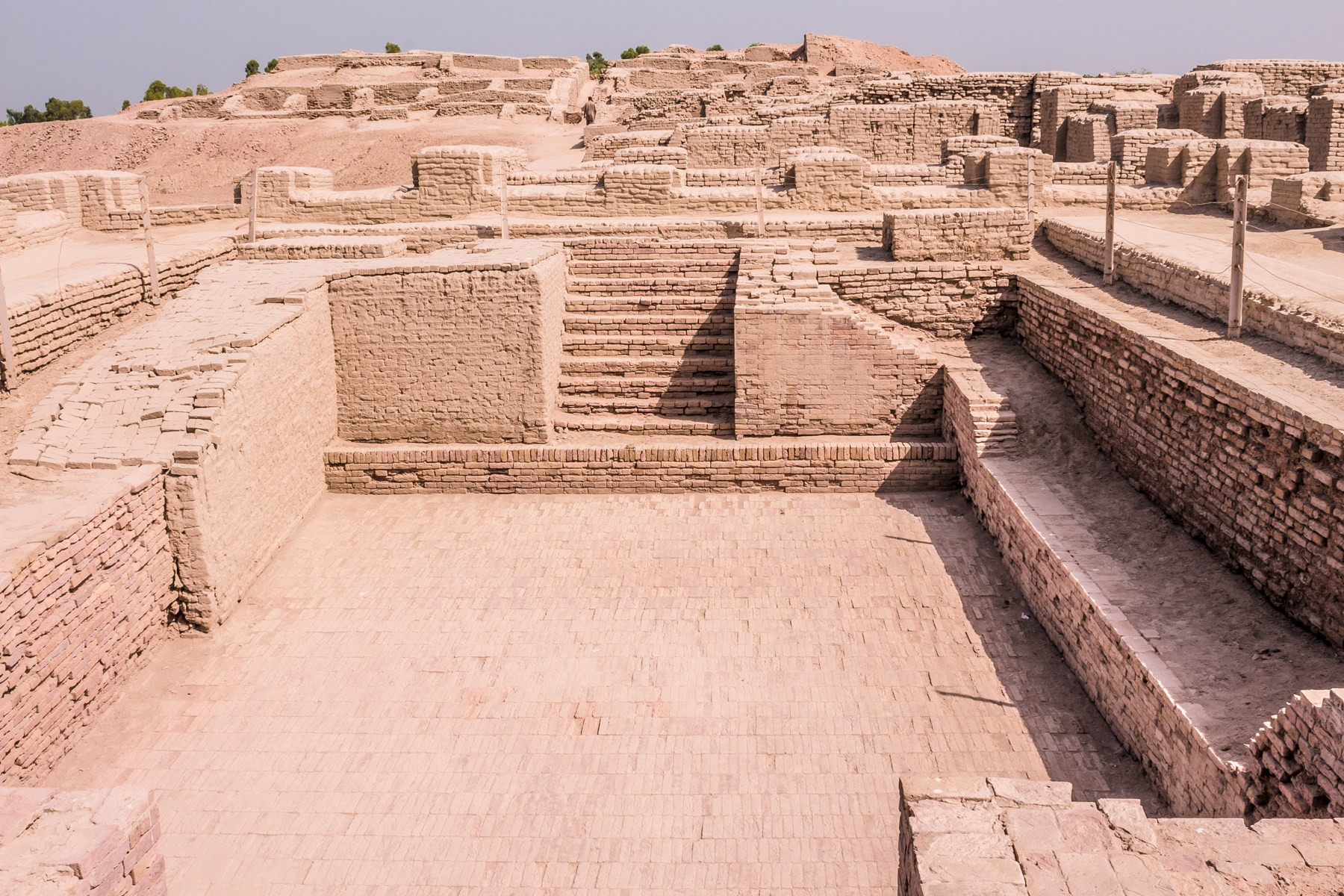
A well, a washing floor and a street drain reveal connected tasks in an Indus city. Follow the waterworks of Mohenjo-daro, from household access to the Great Bath.