ReadConclusionWhat Connected the Medieval Indian Ocean?WhenEarly ModernWhereArabian PeninsulaWinds, knowledge, ports, institutions and households sustained a network that connected societies without making them equal or identical.TopicsEveryday LifeTrade
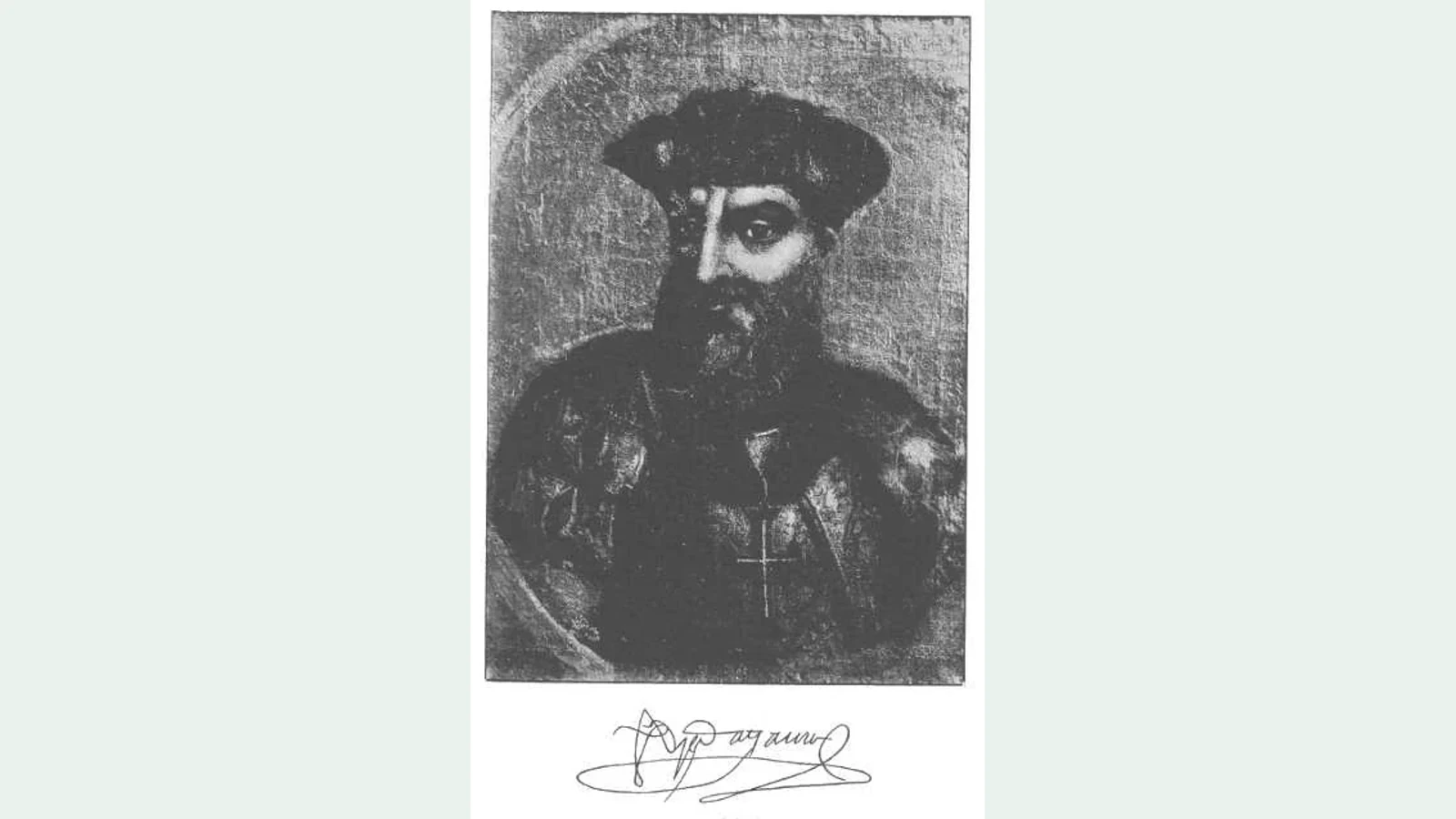
ReadConflictPortuguese Power Meets an Ocean Already ConnectedWhenEarly ModernWhereEast AfricaFrom Calicut in 1498 to Goa in 1510, Portuguese power expanded through knowledge, alliances and violence while remaining uneven across the ocean.TopicsPoliticsTrade
ReadEveryday LifeLiving in a Swahili Trading TownWhenMedievalWhereEast AfricaHousehold archaeology reveals food, production, prayer and commemoration beyond the activities a visiting traveller was likely to record.TopicsArchaeologyEveryday Life
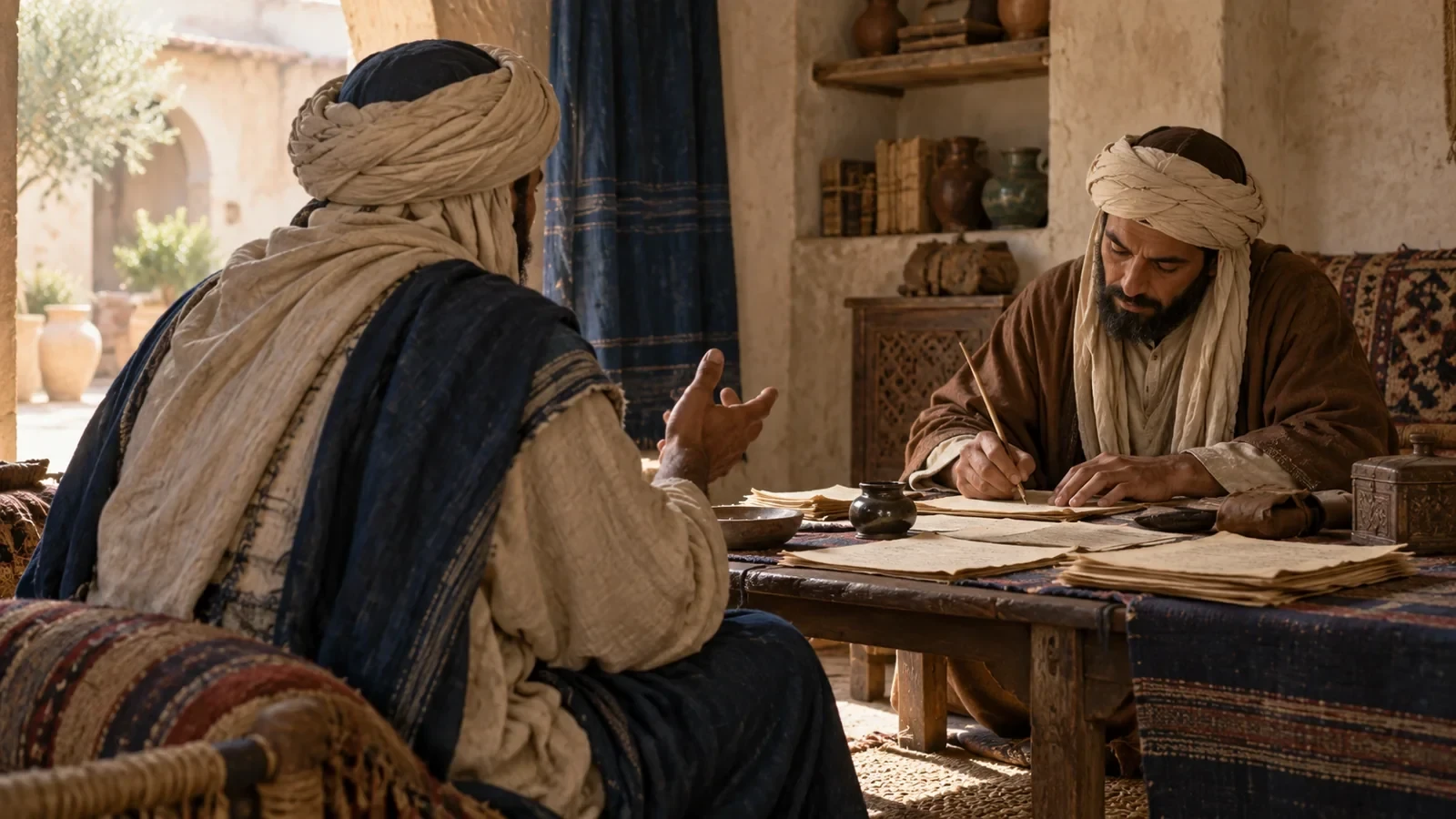
ReadPortraitIbn Battuta: A Traveller and the Limits of His AccountWhenMedievalWhereEast AfricaIbn Battuta encountered courts, ports and religious communities. The making of the Rihla helps explain both its remarkable reach and its limits.TopicsPoliticsReligion
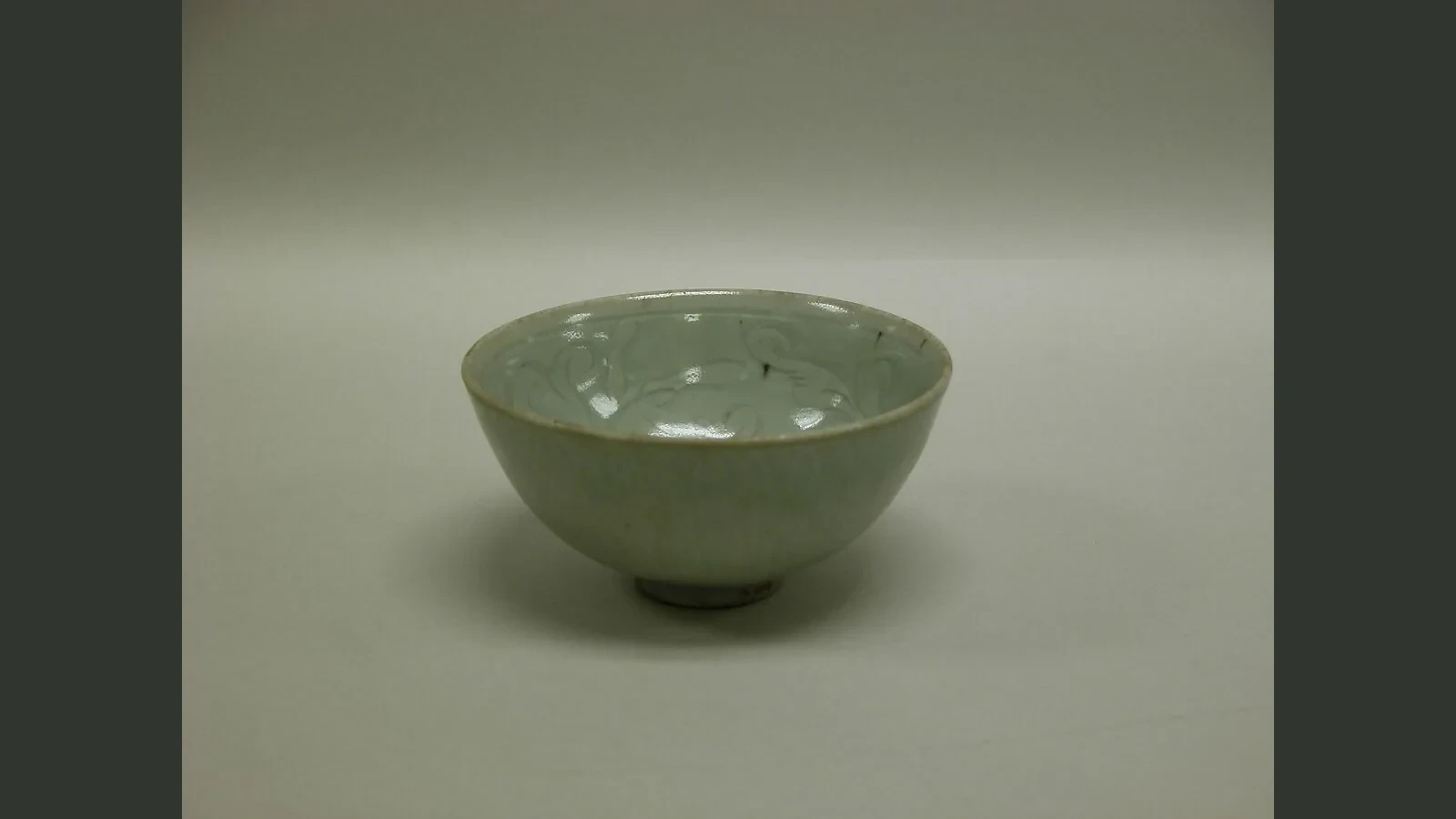
ReadObjectChinese Ceramics on the Swahili CoastWhenMedievalWhereEast AfricaAn imported sherd establishes a connection. Its production, route, archaeological context and coastal use each require a different kind of evidence.TopicsArchaeologyCraft Production
ReadComparisonKilwa and Calicut: Two Ports, Different WorldsWhenMedievalWhereEast AfricaCompare goods, authority, visitors and evidence at two ports whose shared maritime connections did not erase their different local worlds.TopicsPoliticsReligion
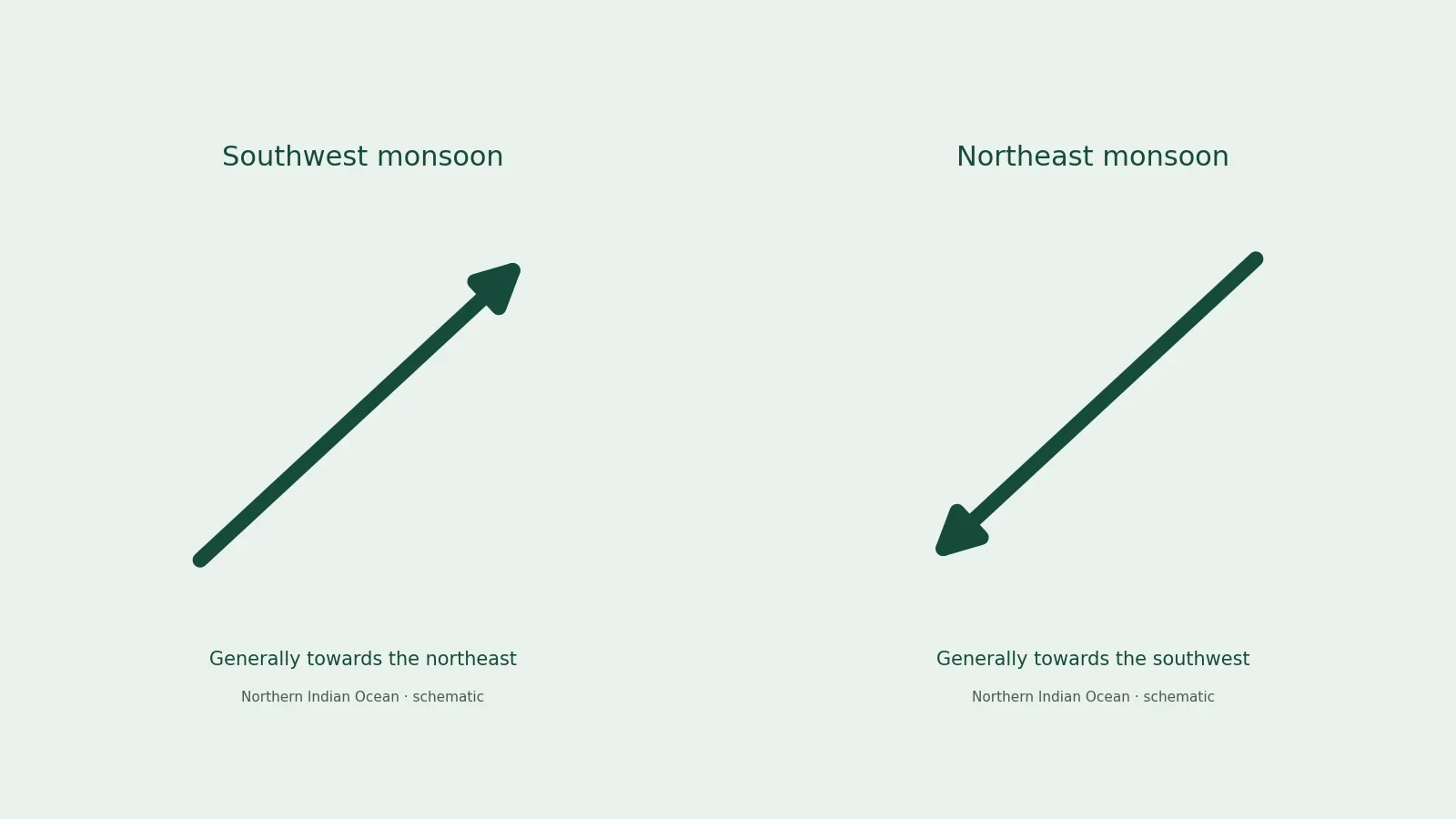
ReadExplanationHow Monsoon Winds Shaped Indian Ocean TradeWhenMedievalWhereIndian OceanSeasonal winds helped sailors plan, but a successful voyage still depended on crews, pilots, harbour services and political arrangements.TopicsTechnologyTrade
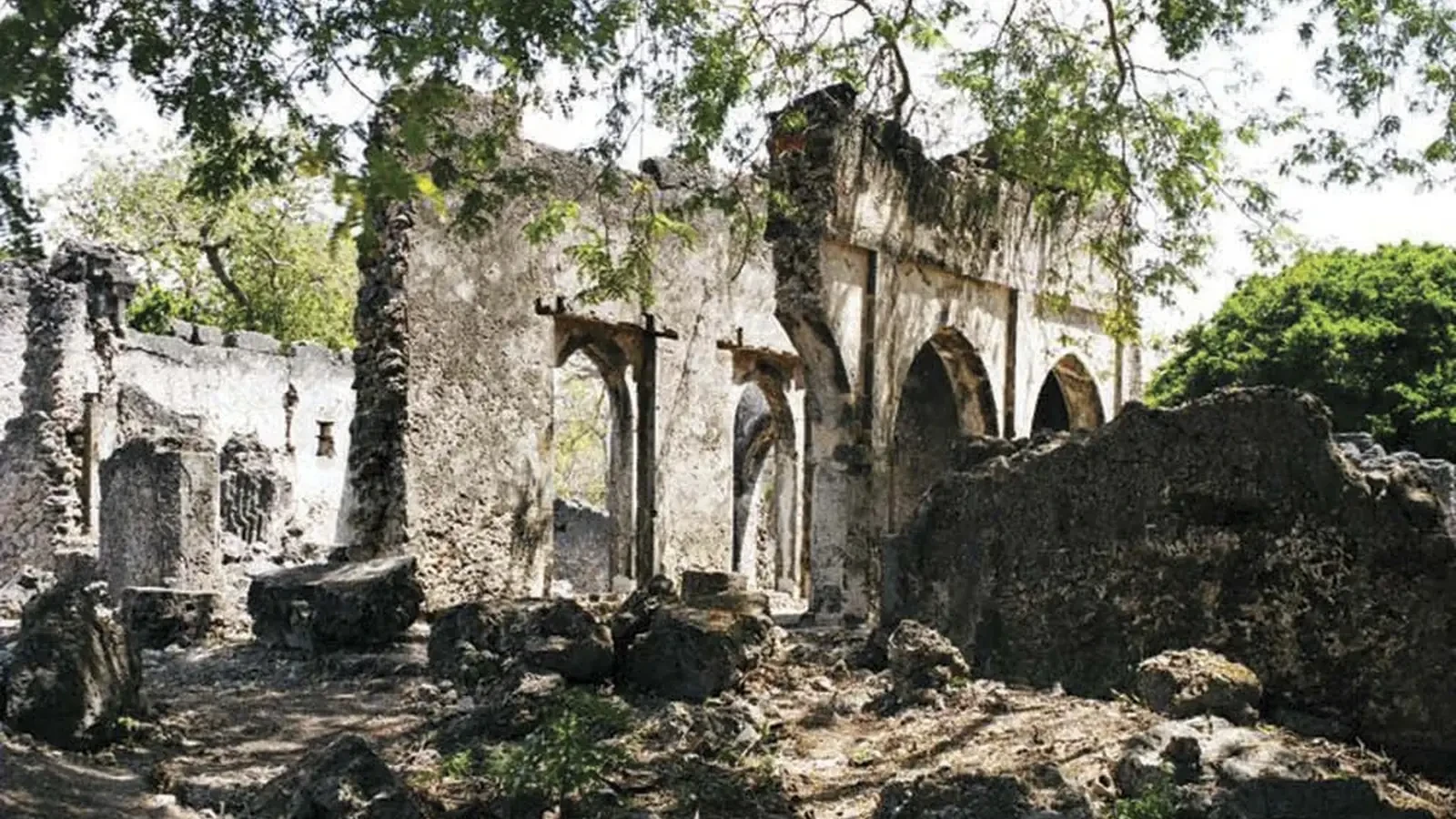
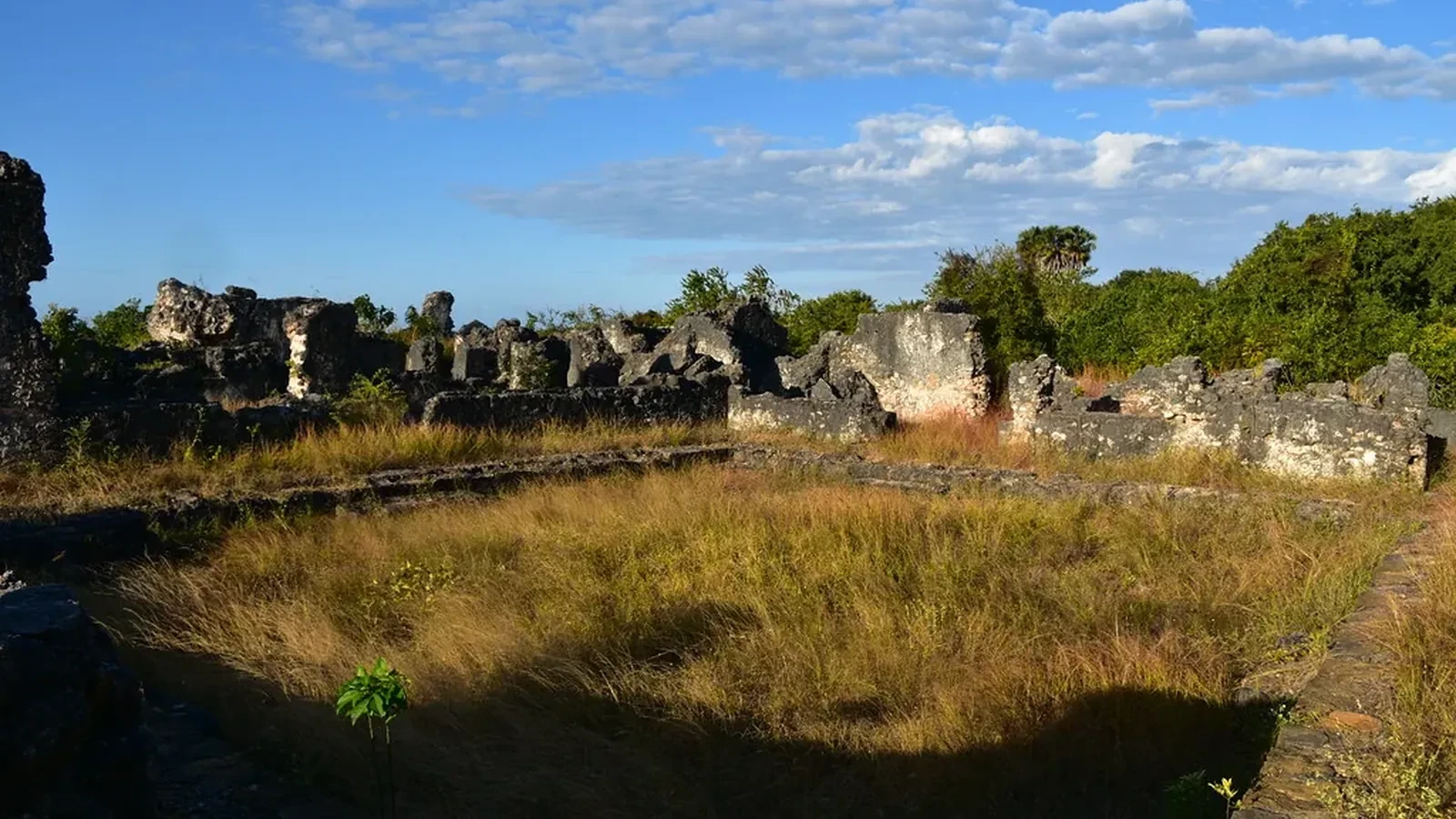
ReadPlaceKilwa: A Swahili City Connected to the Indian OceanWhenMedievalWhereEast AfricaPalaces, mosques and imported objects reveal a city whose inhabitants helped organize exchange between African hinterlands and the wider ocean.TopicsReligionTrade