In 1488, Maximilian was held captive by the citizens of Bruges. The man at the centre of the Burgundian succession struggle was also King of the Romans, the title he then held; calling him emperor in this episode would give him a title from later in his career. His detention is a striking reminder that a powerful ruler could face resistance within a city whose cooperation mattered.
The episode was exceptional, but the underlying problem was not. Bruges had civic rights and institutions, while its inhabitants differed in wealth, organisation and influence. A city might resist a ruler without agreeing internally about who should lead it. Understanding its politics requires both scales: relations with the territorial lord and contests within the urban community.
PLACE & TIME
Urban government and territorial rule
Bruges and its connected settings
Historical County of Flanders · present-day Belgium
1360–1493 CE
Period and setting
A charter made autonomy a recognised relationship
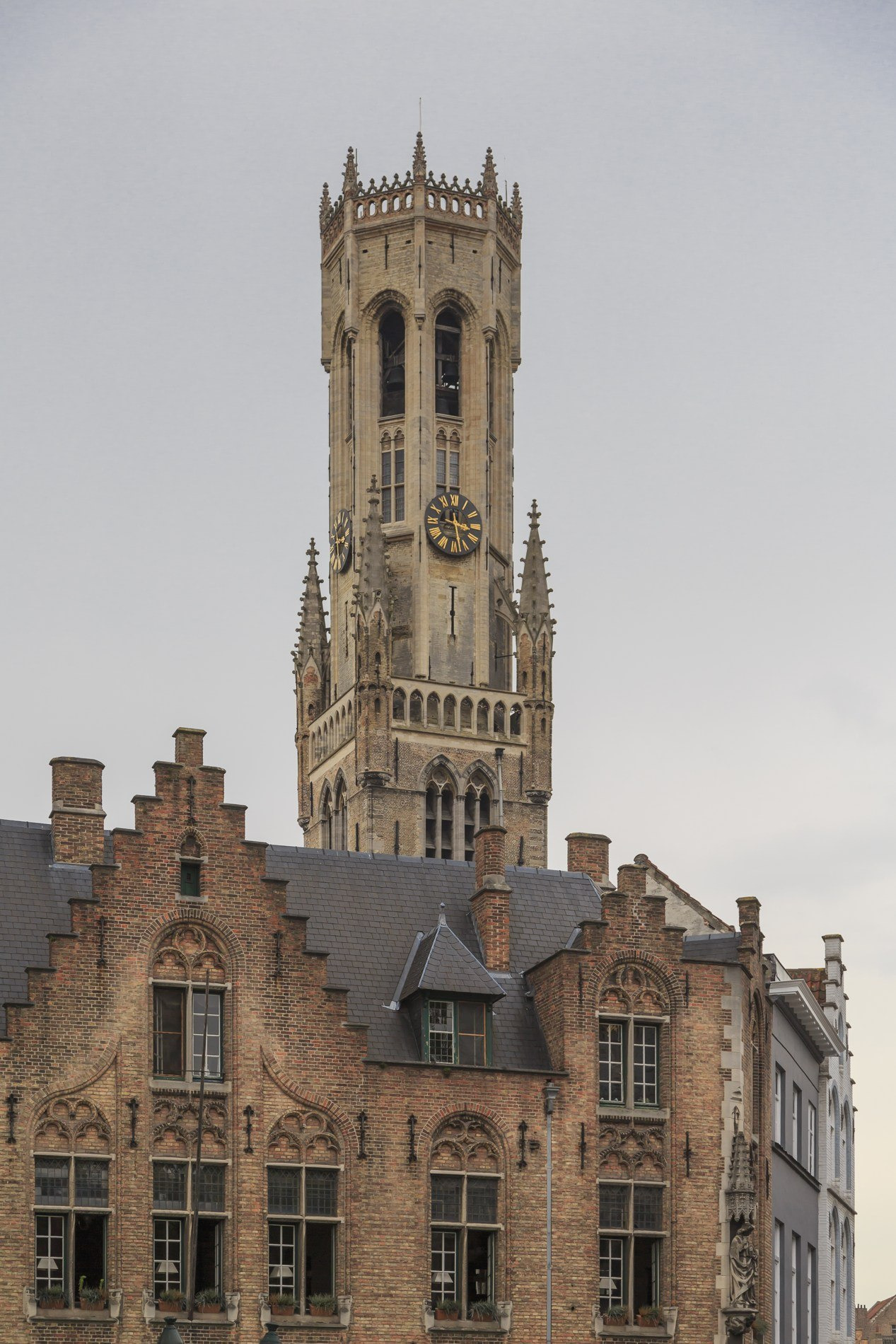
Bruges’ belfry housed city charters, its seal and treasury. The city’s account of the tower explains the connection between these documents and municipal freedoms. Rights granted or recognised by a lord could give an urban government room to act, while the city supplied financial and military support in return.
This was not the same as complete sovereignty. Autonomy operated within a relationship, and its scope could be disputed. A charter’s preservation mattered because a claim to a right might need to be presented again. The place where such records were protected made institutional authority visible in the middle of the commercial city.
KEY IDEA
Room for the city to govern itself does not tell us who had influence inside it.
The distinction prevents a familiar shortcut. It is easy to see a civic tower and infer a free population, then infer equal political participation. Those are different claims. The tower represents institutions and rights, not a complete register of everyone entitled to shape a decision.
Guilds created collective voices with internal differences
Craft guilds could give occupational groups recognised forms of organisation. They had officers, rules and shared resources. Research on their political economy connects occupational authority with unequal business positions. The person possessing a craft title could have quite different resources from another person with a similar title.
Some people had better access to materials, credit and buyers. Collective action did not automatically erase those differences. The term guild should therefore remain an invitation to examine a specific organisation, rather than a promise that all its members acted with equal influence or shared one interest.
COMPARE
Keep two kinds of contest in view
Representation
Who could speak for an occupation or urban group?
Who could claim to speak for Bruges in negotiation?
Resources
Who could sustain a business and support collective action?
What revenue or military support could the ruler expect?
Rights
Which people could use a corporate privilege?
Would territorial authorities recognise municipal arrangements?
This is an analytical distinction, not a claim that the contests were isolated from each other. Urban leaders negotiating with a ruler also had relationships with groups inside Bruges. A decision presented as protecting the city could distribute its costs unevenly among its inhabitants.
Marc Ryckaert · CC BY-SA 4.0 · resized jpeg photograph.
The urban landscape made claims to standing visible
In the decades around the 1360s and 1370s, craft guilds in Bruges and Ghent invested in halls, hospices and chapels. Mathijs Speecke interprets these premises as part of spatial politics. Buildings gave organised occupations places in which to act and a visible presence among the city’s other institutions.
Their meaning was not limited to practical accommodation. A shared hall could express a craft’s importance. It could also embody a hierarchy within the group. The resources available for collective building were themselves a political clue: some people and organisations were better placed to turn their identity into durable urban space.
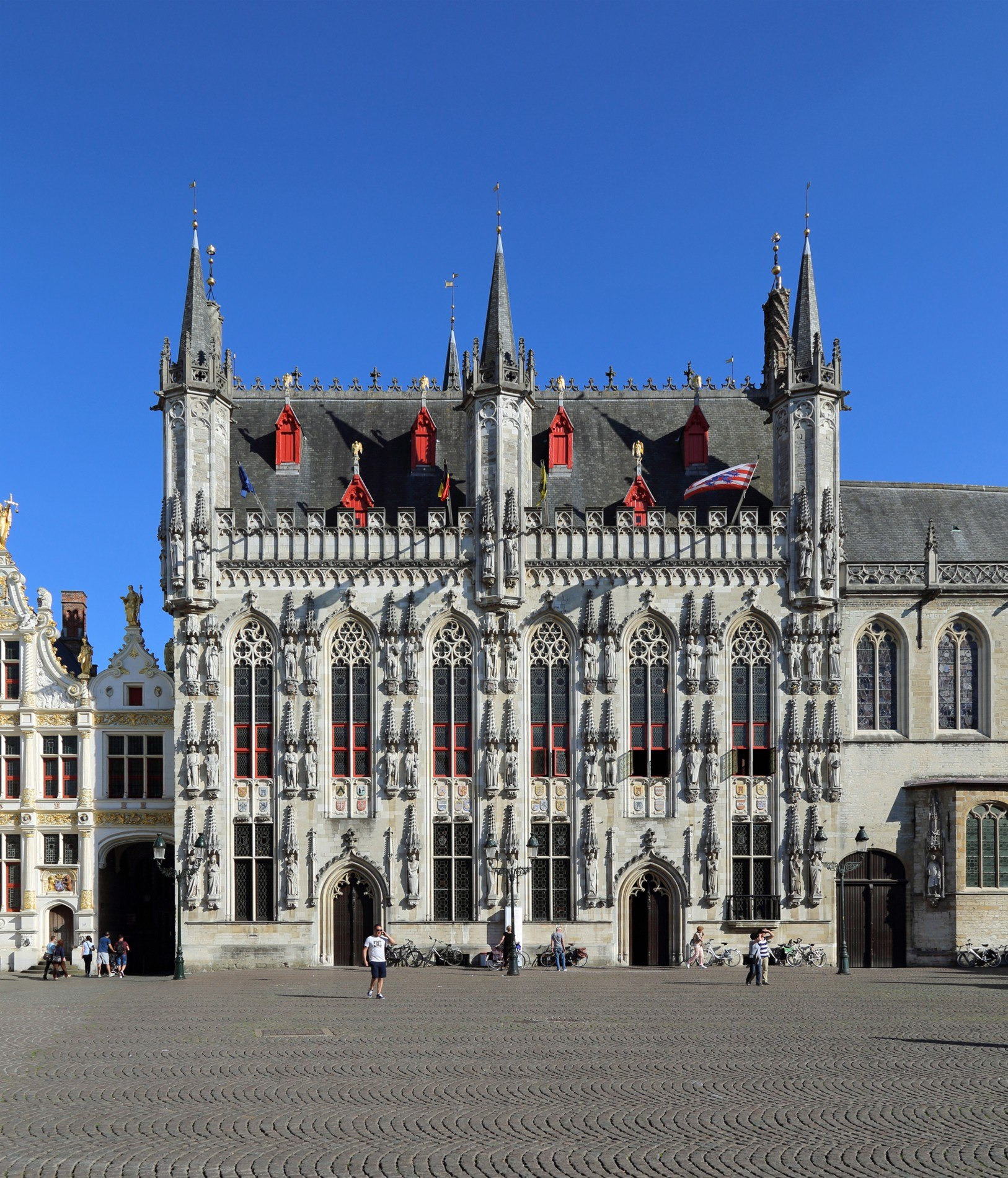
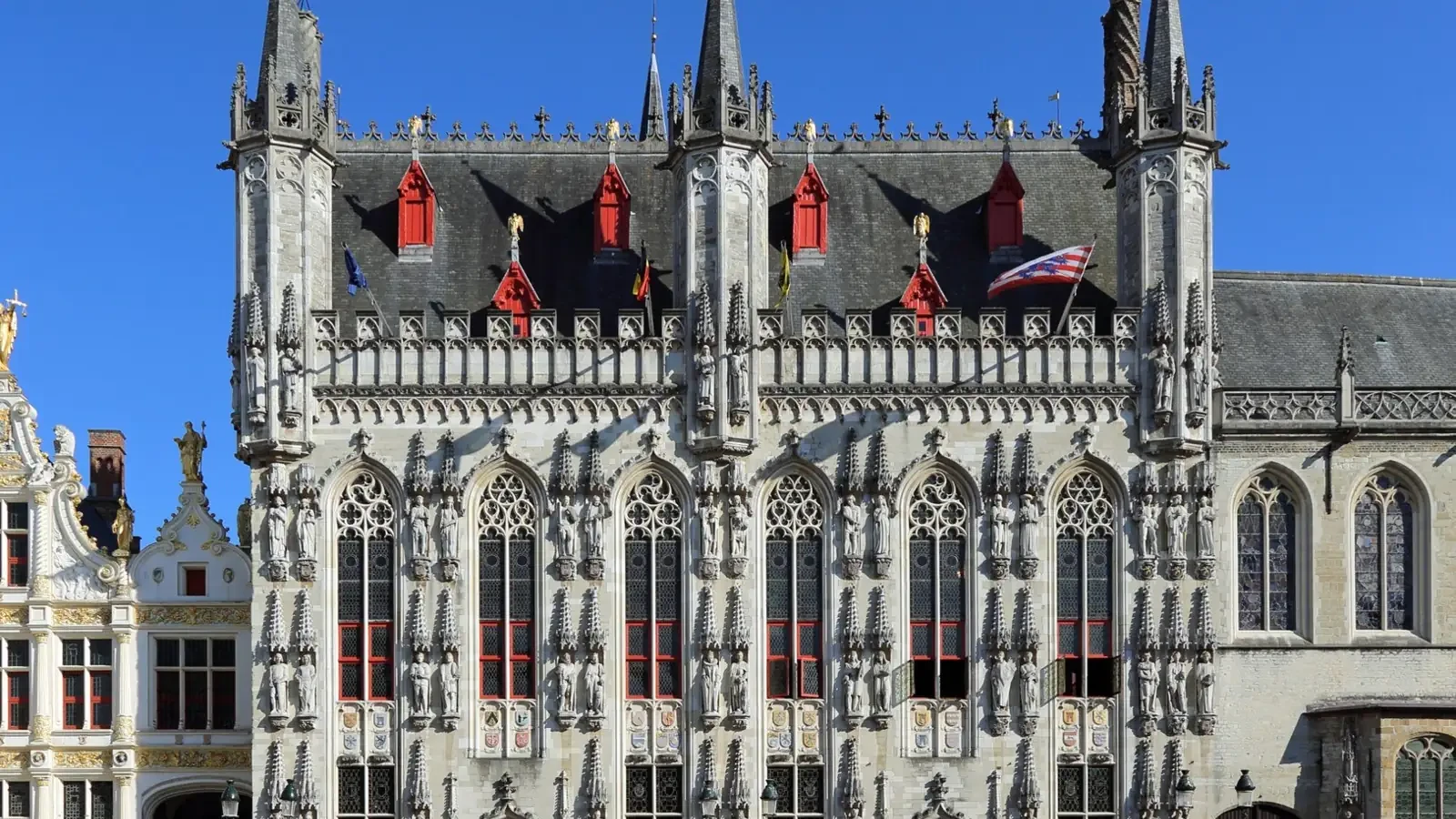
The modern photograph of Bruges’ town hall shows another kind of institutional presence. It helps locate civic authority in the surviving city. It cannot establish how a particular medieval council meeting proceeded, or whether an inhabitant standing outside could influence its result. Political space and political access remain related, but different.
Economic differences gave conflict a material setting
The earlier textile chapter used confiscation inventories from 1383–1384. The study of those records relates material inequality to participation in the Flemish revolt of 1379–1385. The inventories concern selected people caught up in conflict; they do not describe every household or every faction in Bruges.
Their relevance here is that a political disagreement took place among people with different material resources. A household with little reserve and a wealthy producer could experience the same commercial city very differently. Researchers can investigate how such differences shaped grievances without pretending that possessions alone explain everyone’s political decisions.
CHANGE YOUR VIEW
Questions to bring to a claim made for “the city”
Which institution authorised the decision, and which groups could challenge it?
Would a policy alter access to supplies, income or security? Households did not possess equal reserves.
How could urban privileges be accommodated within demands for revenue and political control?
The phrase “the citizens” can conceal these distinctions. It may identify a collective action in a source without proving unanimous support. An account of a confrontation should ask who organised it and whose position is preserved, rather than quietly allowing the most visible actors to represent everyone.
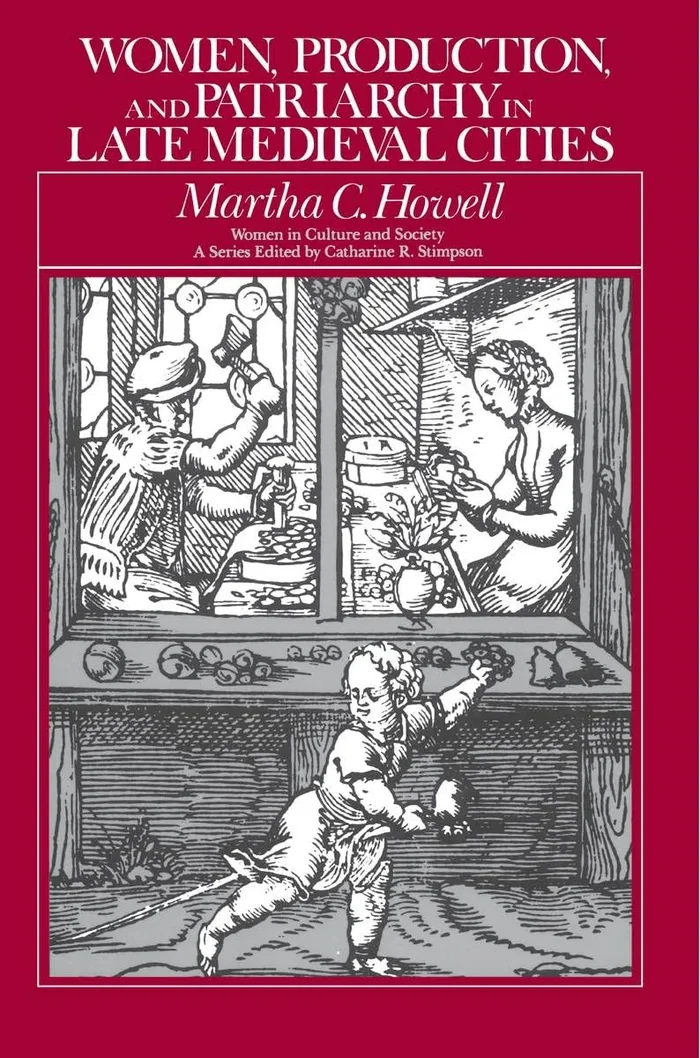
Women, Production, and Patriarchy in Late Medieval Cities
A comparative study of Leiden and Cologne offers questions about gender, household production and status. It is not a Bruges-specific household history. University of Chicago Press paperback · English · study first published 1986 · ISBN 9780226355047
Marc Ryckaert · CC BY-SA 4.0 · resized jpeg photograph.
A succession dispute brought the relationship under strain
Mary of Burgundy died in 1482. Her marriage to Maximilian had joined her inheritance to a powerful dynastic connection, but her death raised contested questions about the government of the territories and the regency for their children. The institutional history published by the World of the Habsburgs explains Maximilian’s conflict with the Estates. The struggle involved claims about authority, not simply an argument between two individual personalities.
In 1488, the citizens of Bruges detained Maximilian and forced concessions. His political position did not make urban resistance impossible. Nor did the episode permanently settle relations in the city’s favour. The broader conflict continued beyond his release, with war and negotiation shaping the subsequent settlement.
IN TIME
A confrontation within a longer struggle
- 1482
Mary of Burgundy dies
Her death sharpened disputes about succession and regency.
- 1488
Maximilian detained in Bruges
Citizens held the King of the Romans and extracted concessions.
- 1493
A wider settlement
The Peace of Senlis helped settle the territorial struggle after years of conflict.
Selected dates connect the Bruges episode with the Burgundian succession; they are not a complete military history.
These events show why dating a single dramatic confrontation is not enough. Capture, concession, release and settlement are different moments. The first does not explain all the conditions attached to the last, and a ruler’s temporary vulnerability does not establish a durable victory for every urban interest.
Commercial rights were part of the same political landscape
Merchant privileges also depended on relations with authorities. A Hanseatic document from 1487 concerns Maximilian’s confirmation of rights at four staple markets. The surviving collection places this grant beside other negotiated commercial arrangements. A ruler could be a source of useful rights for one group while remaining an opponent in a separate conflict.
That coexistence makes medieval politics more intelligible. Bruges’ inhabitants, foreign merchants and territorial authorities did not occupy permanently aligned camps. Their interests could coincide over one matter and diverge over another. The question is which relationship a particular record documents.
- Identify the authority named in a grant.
- Identify the group entitled to use it.
- Distinguish that arrangement from other conflicts involving the same ruler.
Power was contested at more than one level
No single answer to “who ruled Bruges?” works for every issue across this period. Municipal institutions governed, occupational bodies organised members, commercial groups negotiated privileges and rulers pressed their claims. Each had capacities that depended on circumstances and on the cooperation or resistance of others.
The conflict chapter therefore ends with a distinction rather than a winner’s name. Urban autonomy did not guarantee internal equality; princely authority did not eliminate bargaining. The next chapter follows the economic stakes of that unstable relationship: why the city’s leading position in international trade weakened without Bruges simply disappearing.