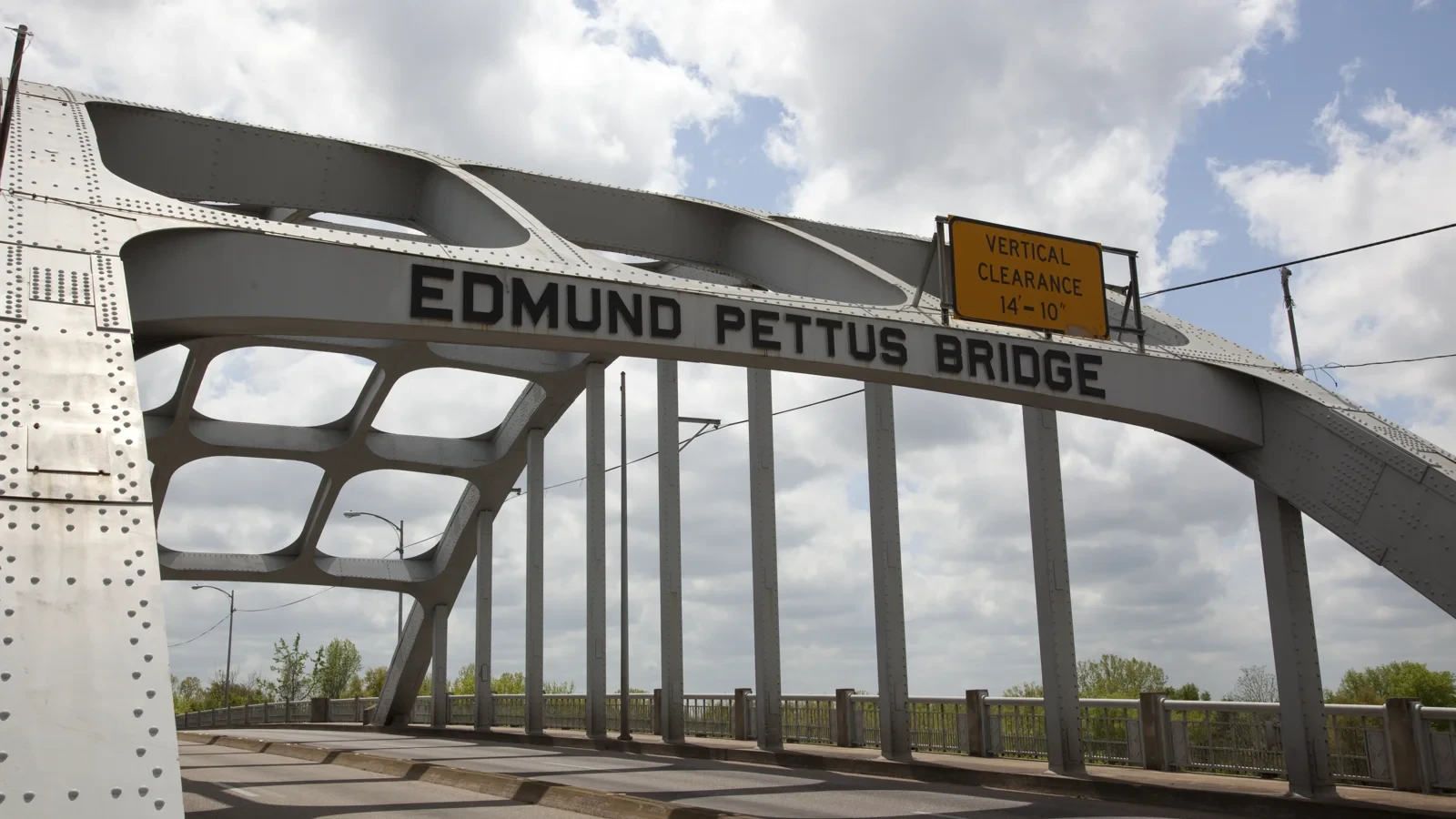
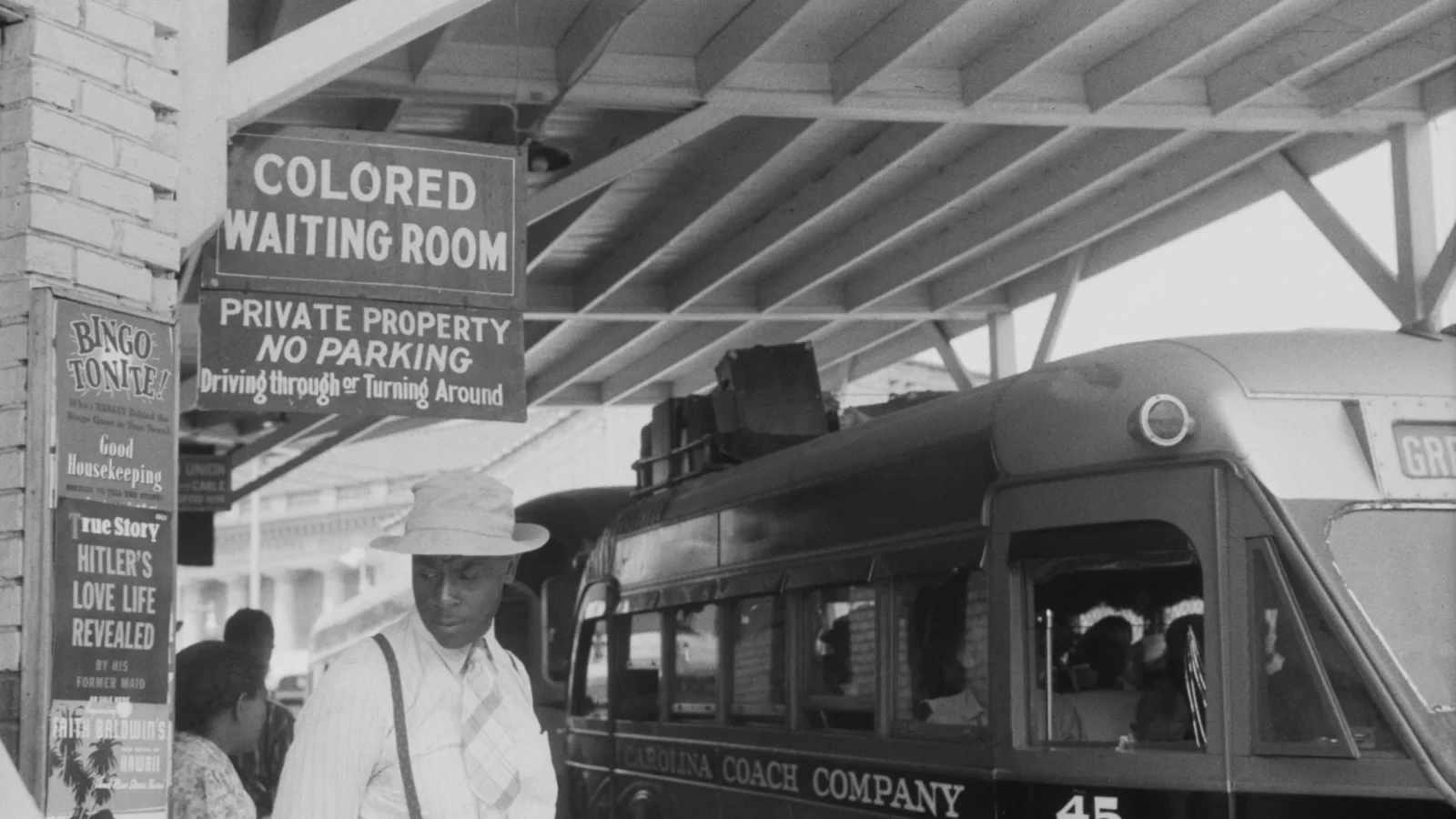
Follow Selma’s Bloody Sunday, from years of local organising to the bridge attack, the later marches and the demand for federal voting-rights protection.
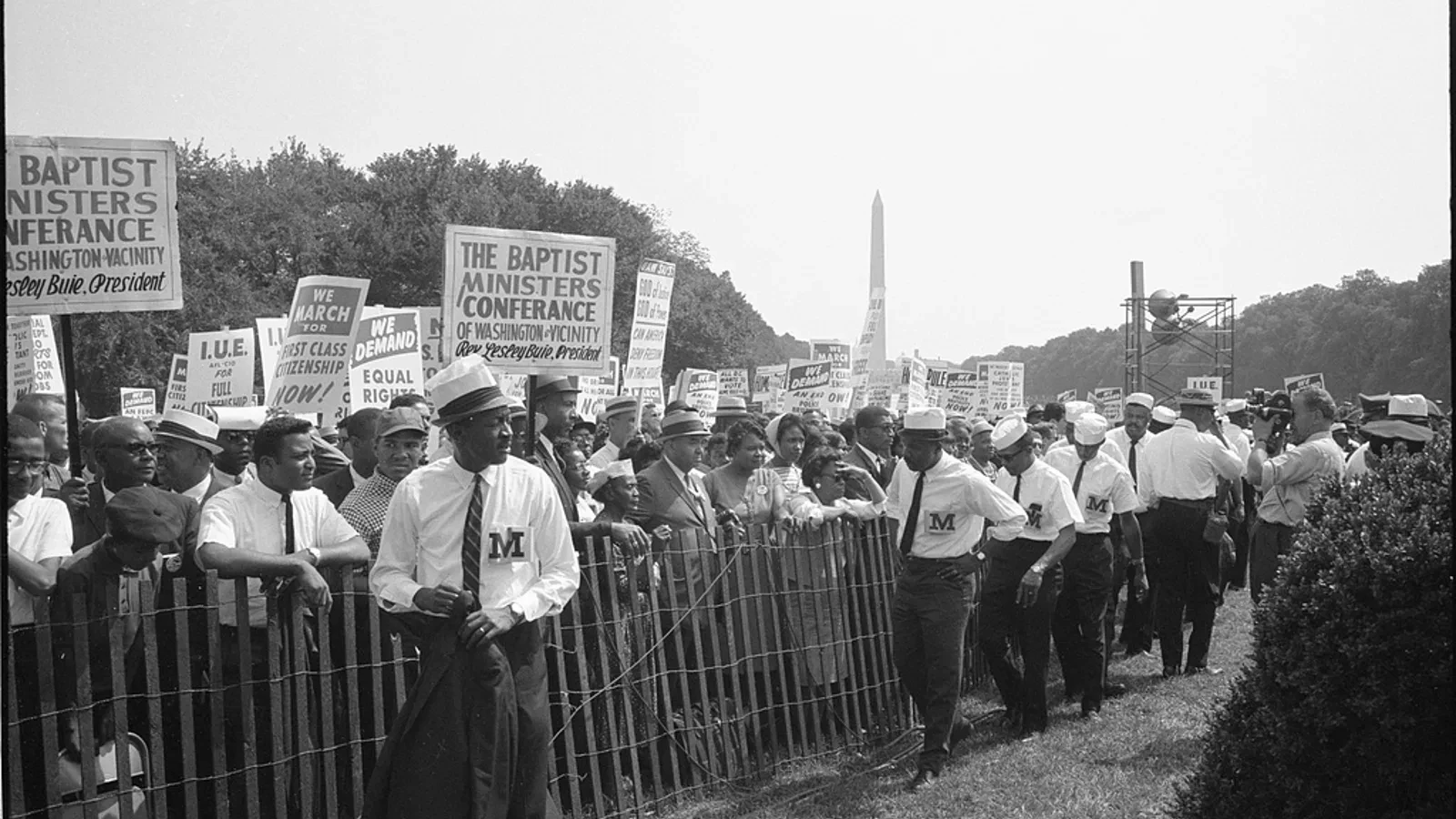
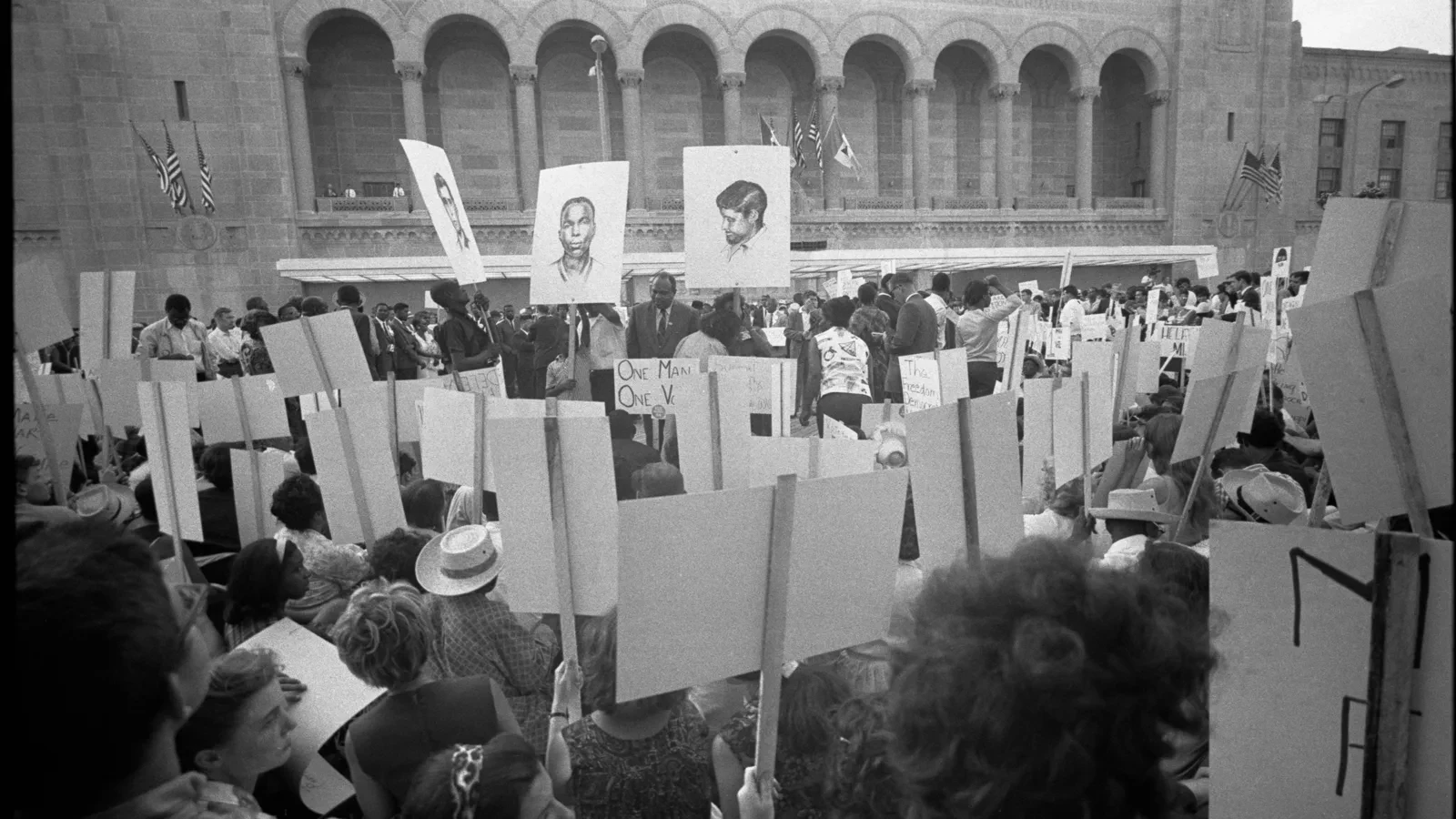
Introductions, registration classes and Freedom Schools helped people take political action. Follow SNCC’s early network, its local partners and its disagreements.
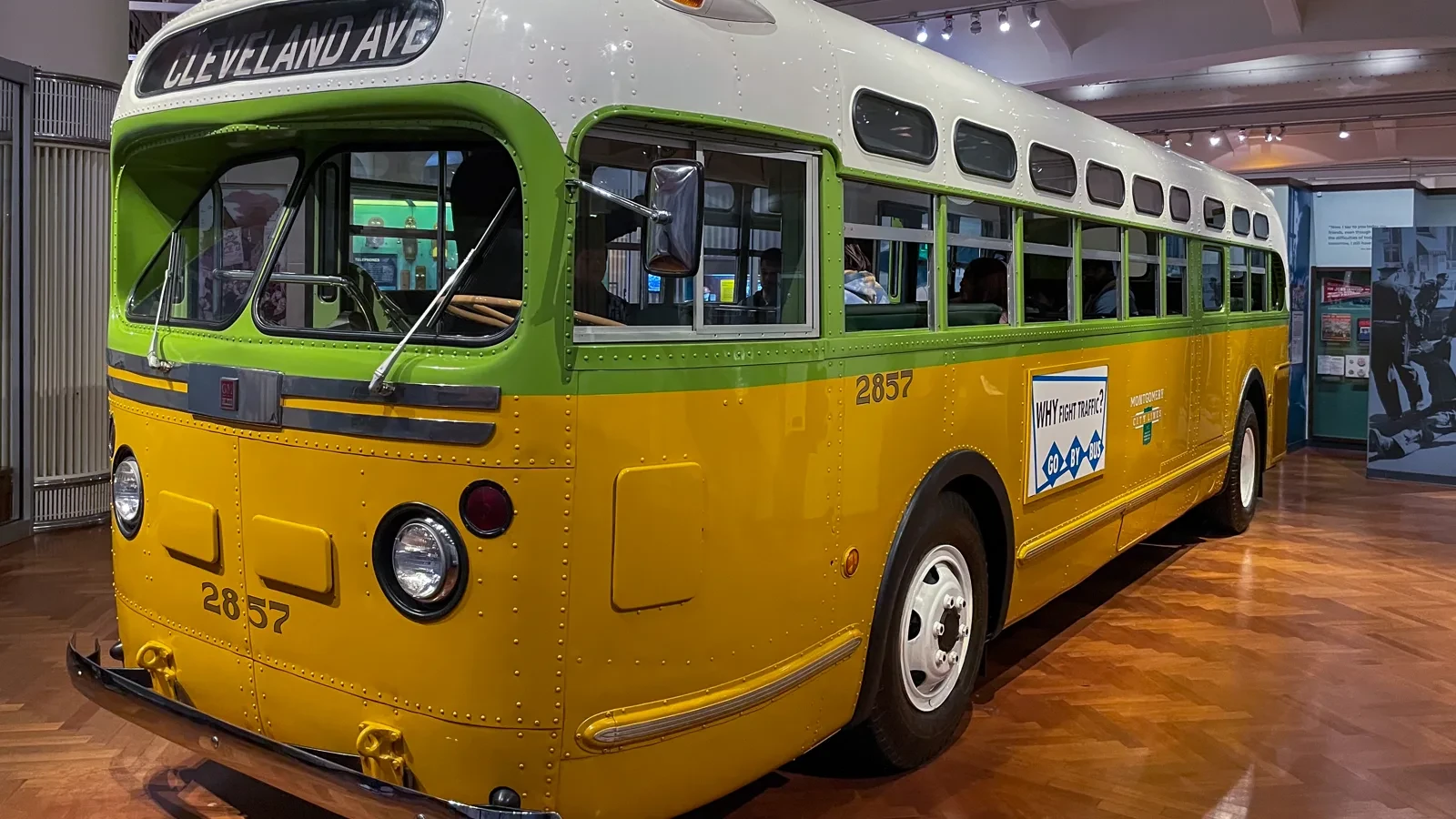
A one-day protest became a year of organising. Follow the rides, meetings, money and legal work that kept Montgomery’s bus boycott going under pressure.
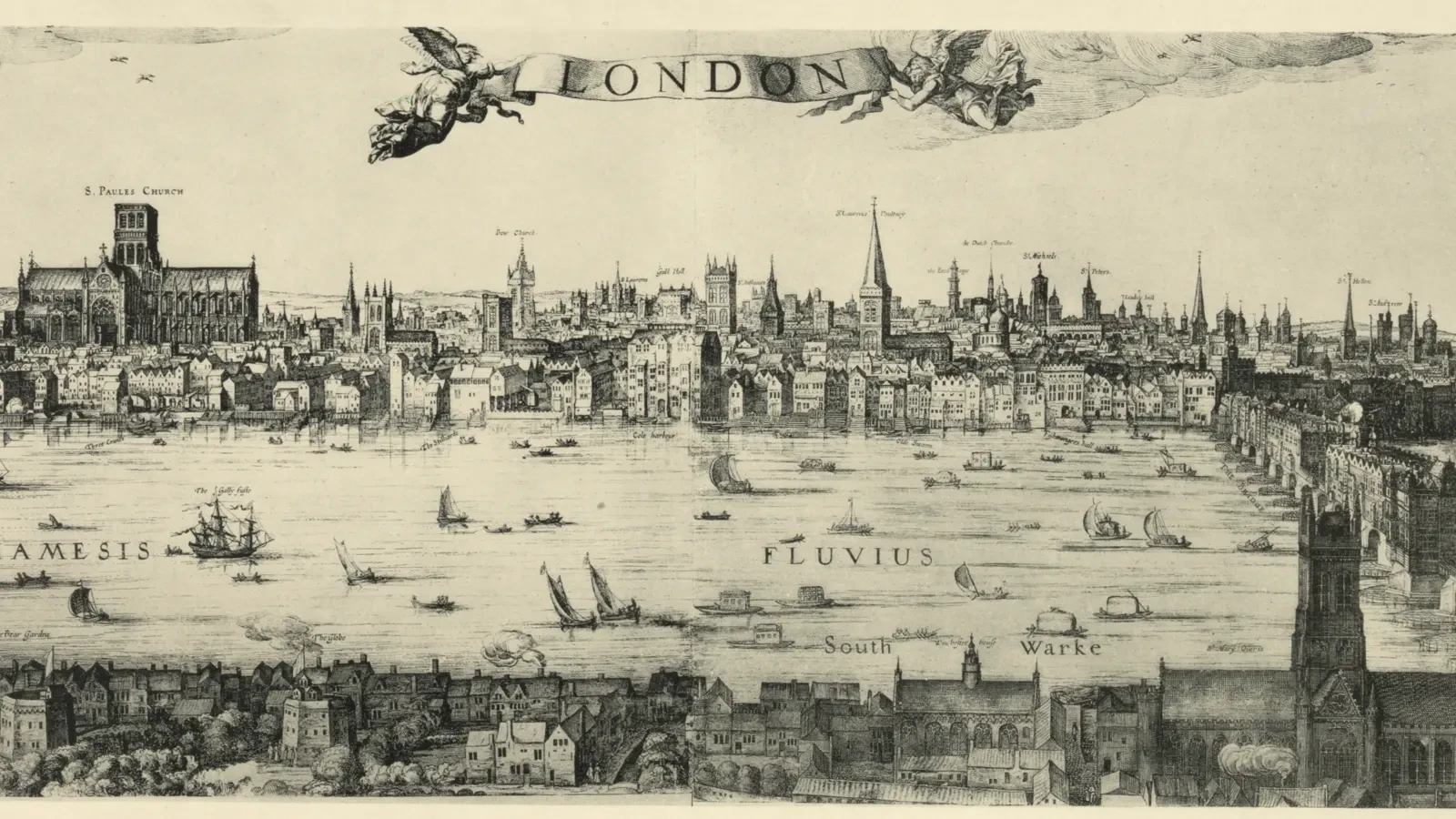
A registered poem, a moving clandestine press and an order to burn books reveal the overlapping powers behind printing in Tudor and early Stuart England.
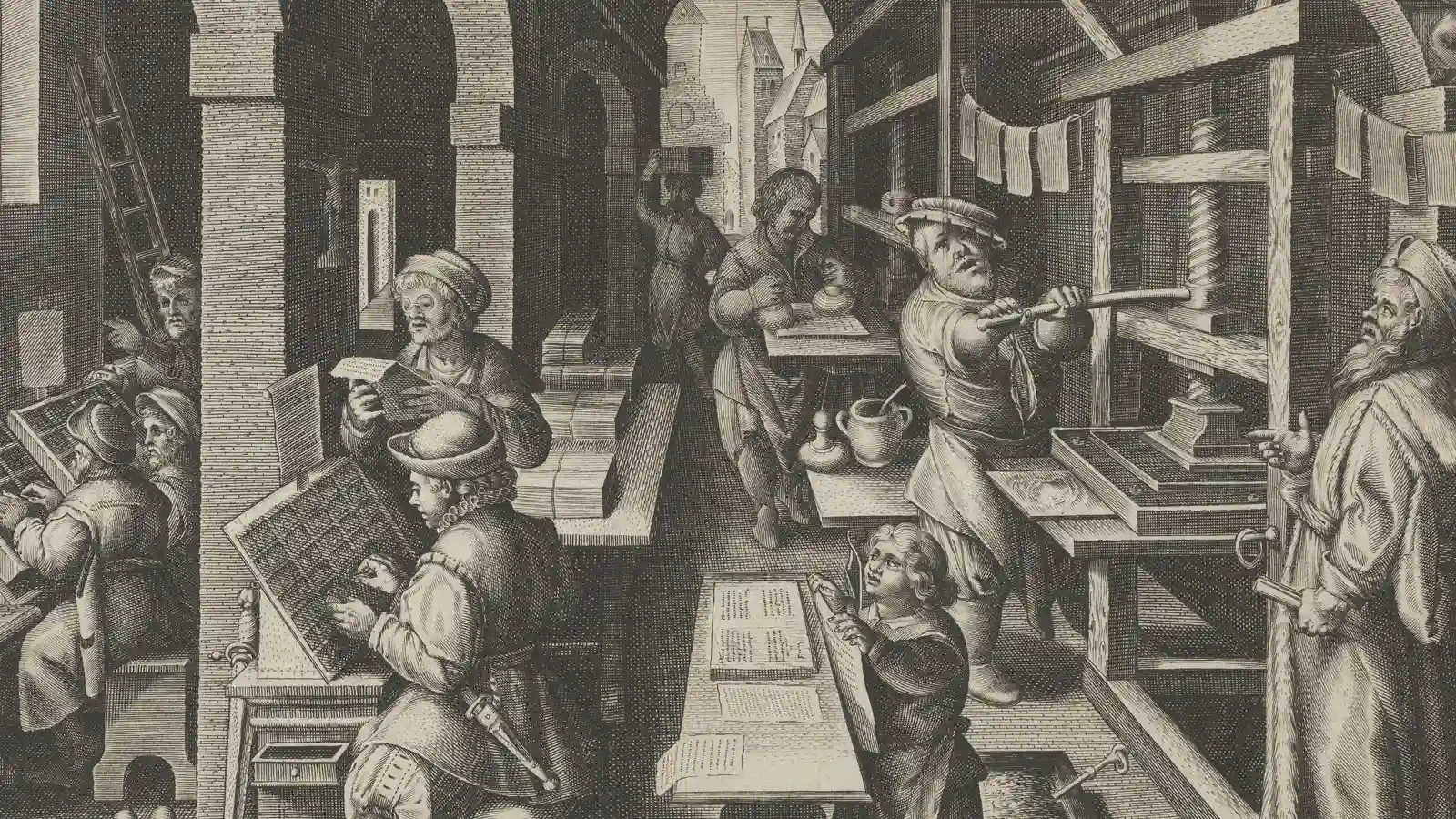
From a Buddhist scroll to European workshops and regulated presses, printing enlarged the possibilities for sharing knowledge. Who could use them remained a question of people, resources and power.
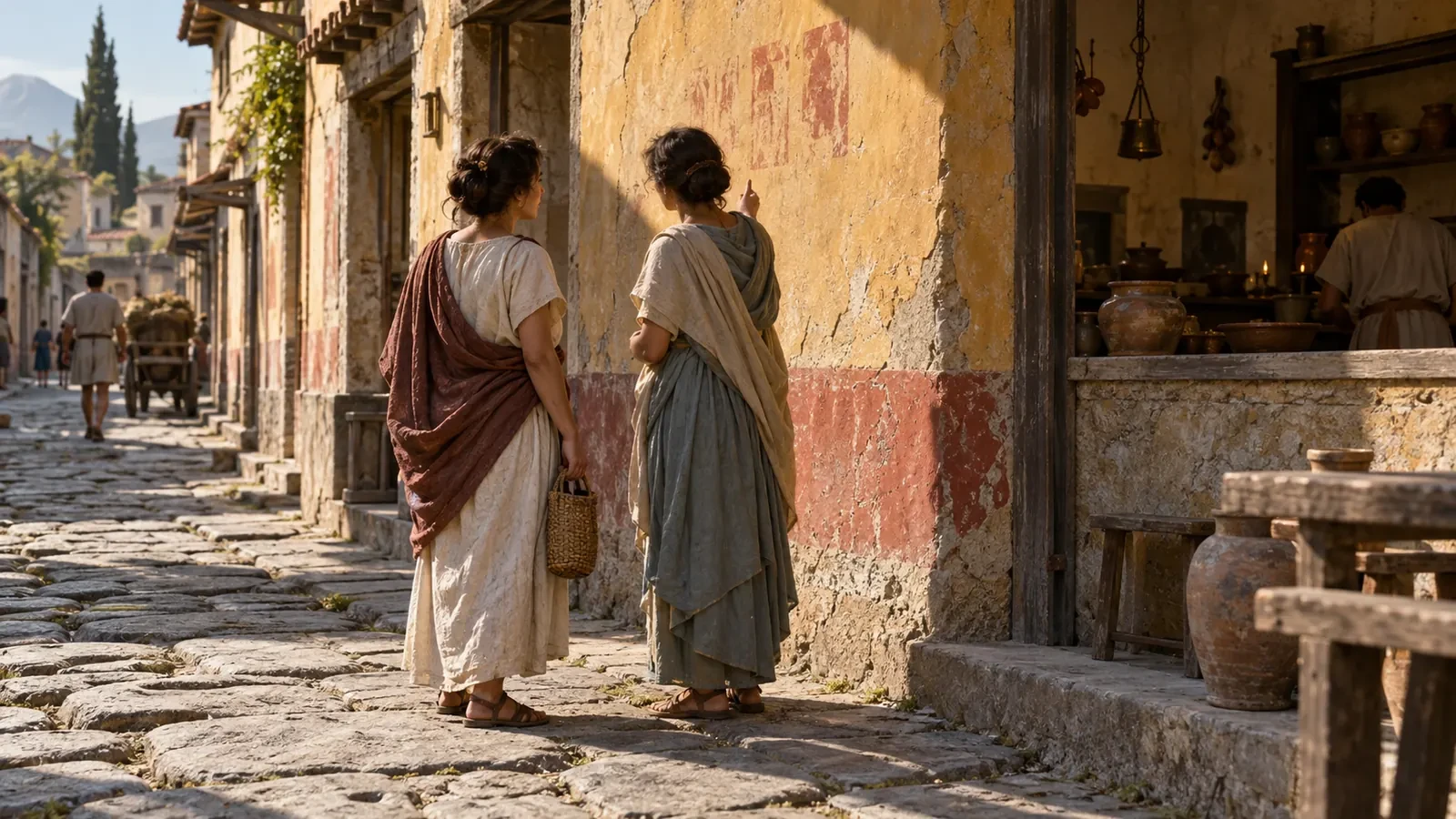
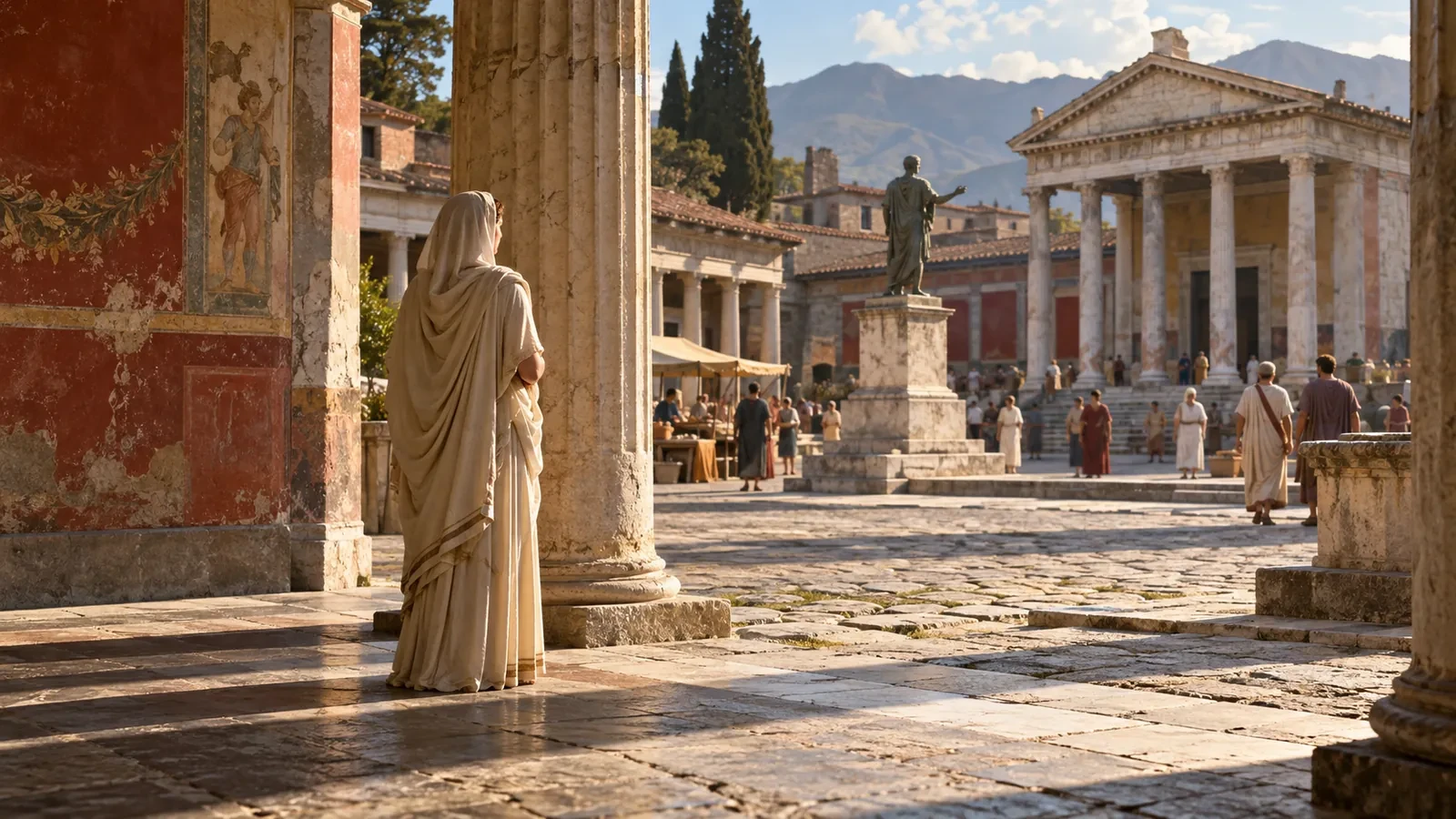
Asellina’s name appeared beneath a candidate’s on a Pompeian wall. She could not cast a vote, but her recommendation belonged to the campaign. What kind of political voice did that make possible?
A woman’s name on Pompeii’s Forum was more than a signature. Eumachia’s inscriptions and statue reveal how money, religion and public honour could make a life visible.
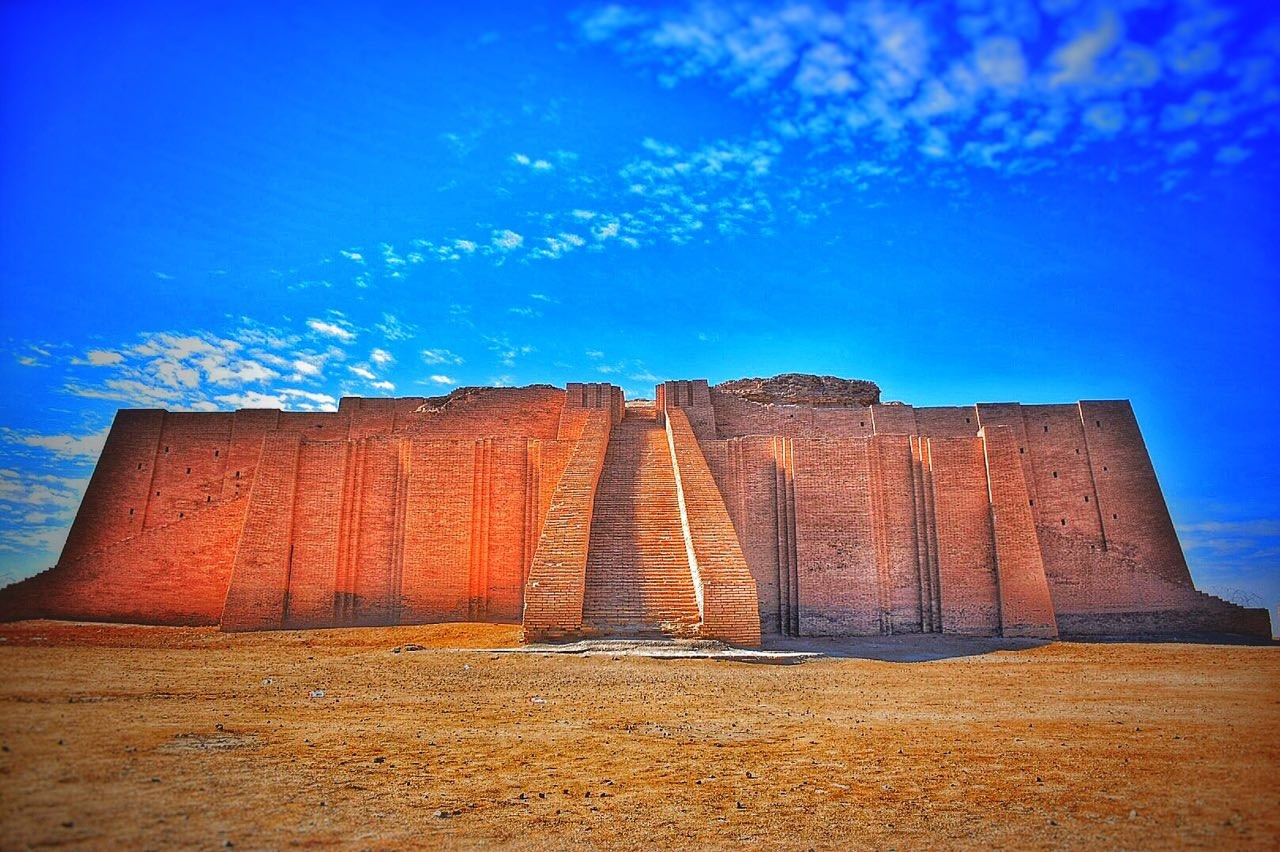
A kingdom could lose its provinces and capital without ending the history of its cities. Follow the fall of Ur III through clay records, remembered disaster and a later house at Ur.