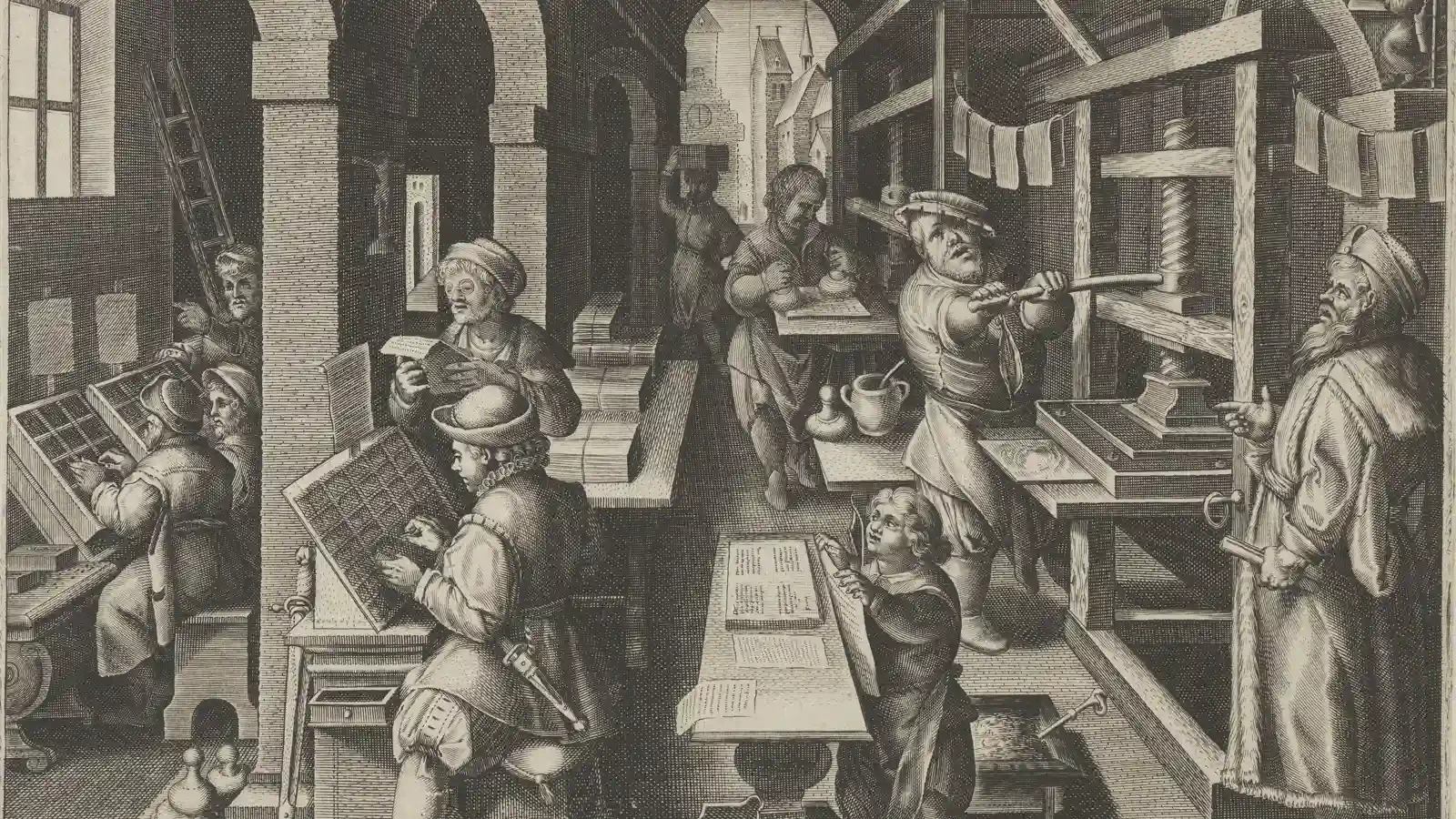
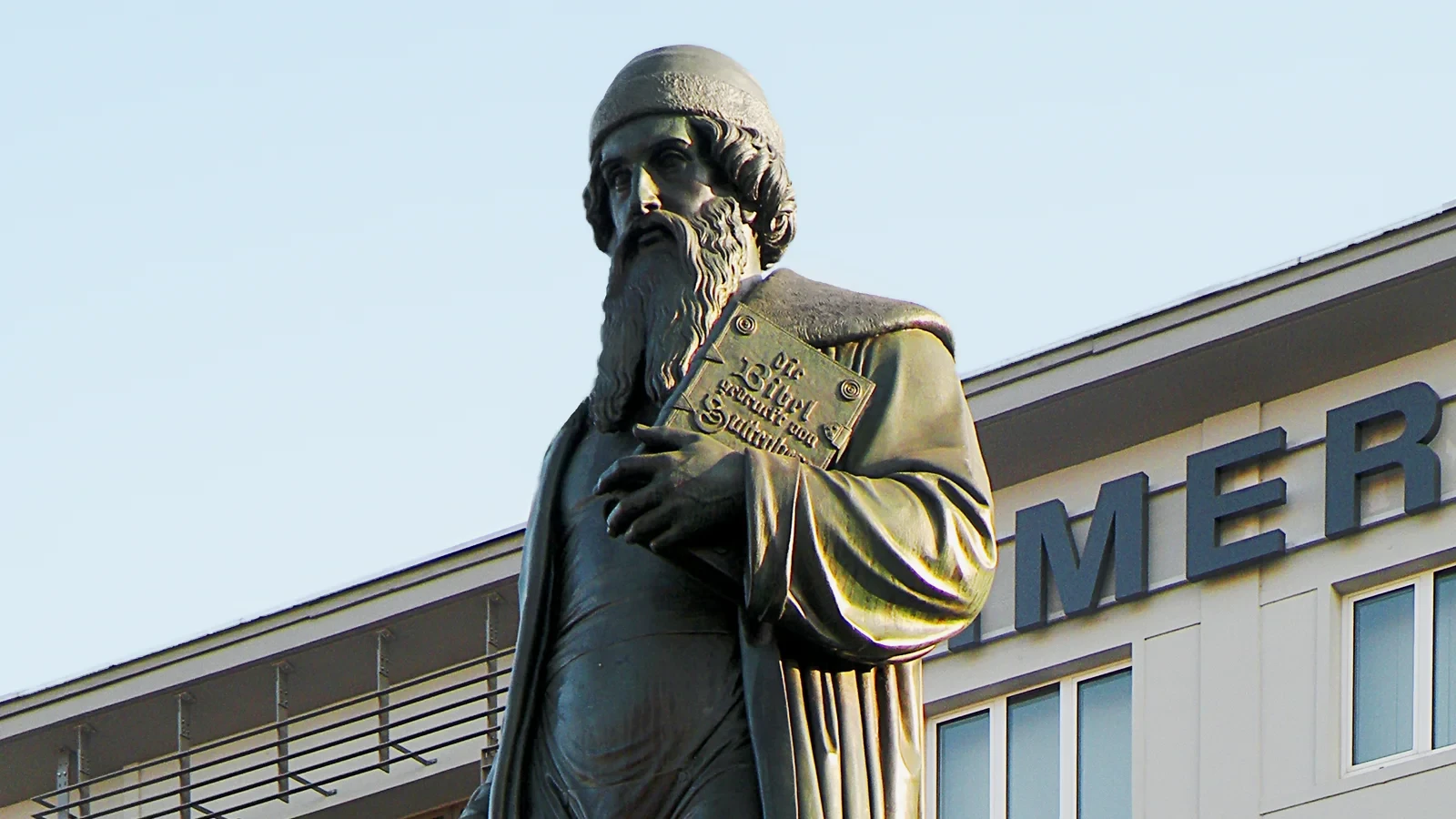
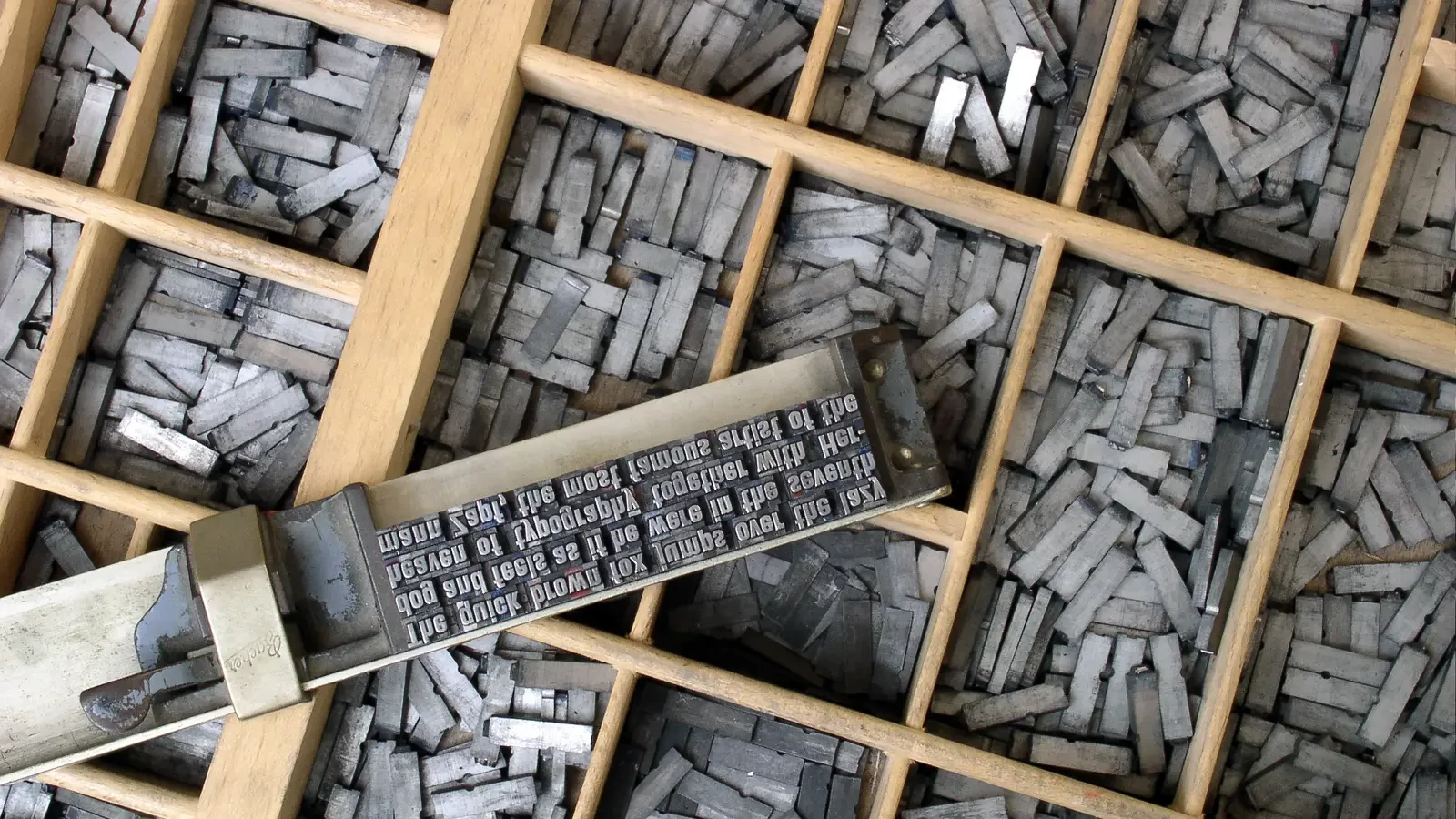
From a Buddhist scroll to European workshops and regulated presses, printing enlarged the possibilities for sharing knowledge. Who could use them remained a question of people, resources and power.
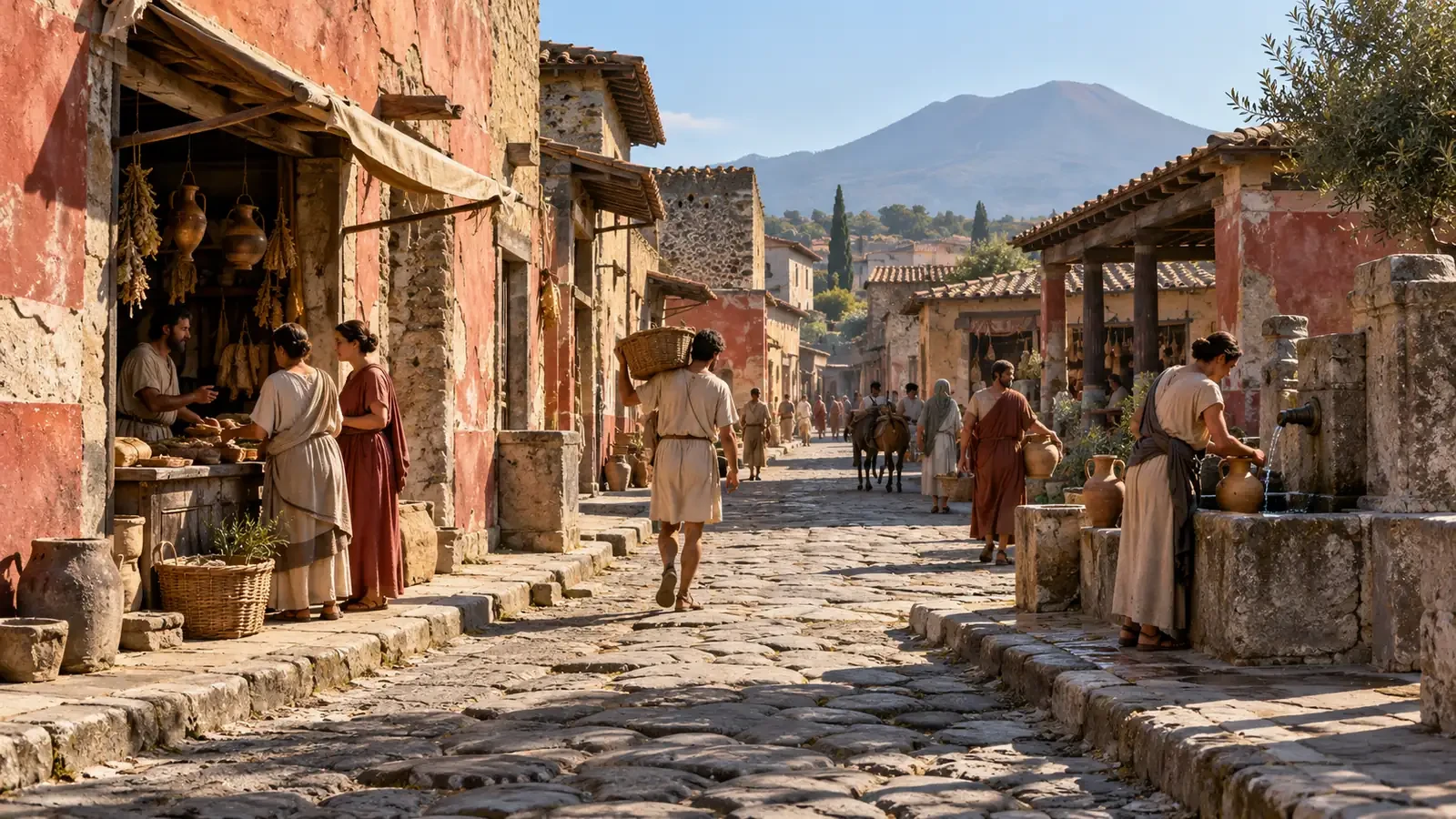
A courtyard could be a place to relax or a place to work. Pompeii reveals how ordinary activities connected people whose freedoms were far from equal—and why one town cannot tell the whole Roman story.
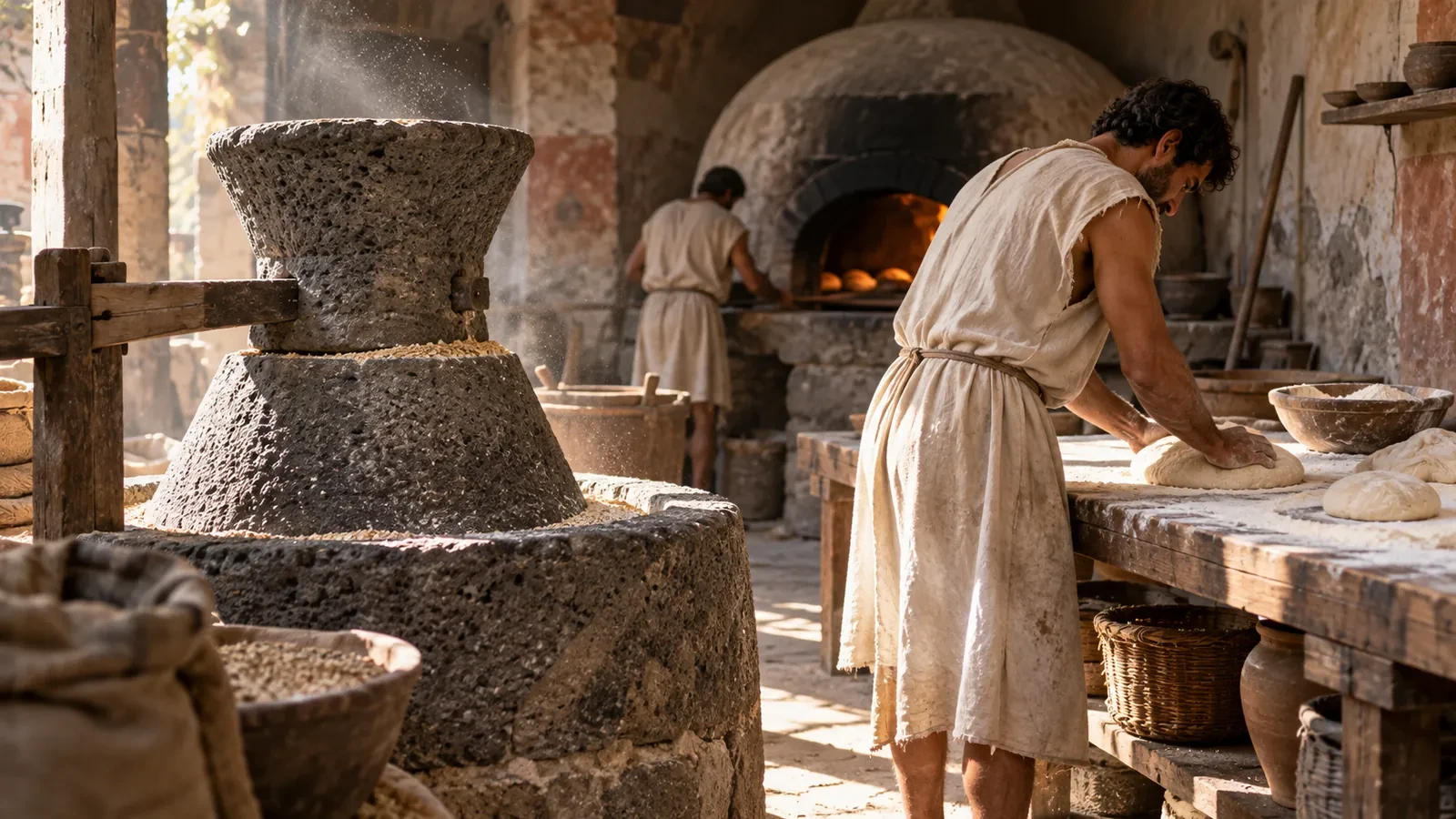
A loaf and a clean garment each depended on a chain of work. Pompeii’s mills, ovens and fulleries reveal those processes—and force us to ask who could leave when the work was done.
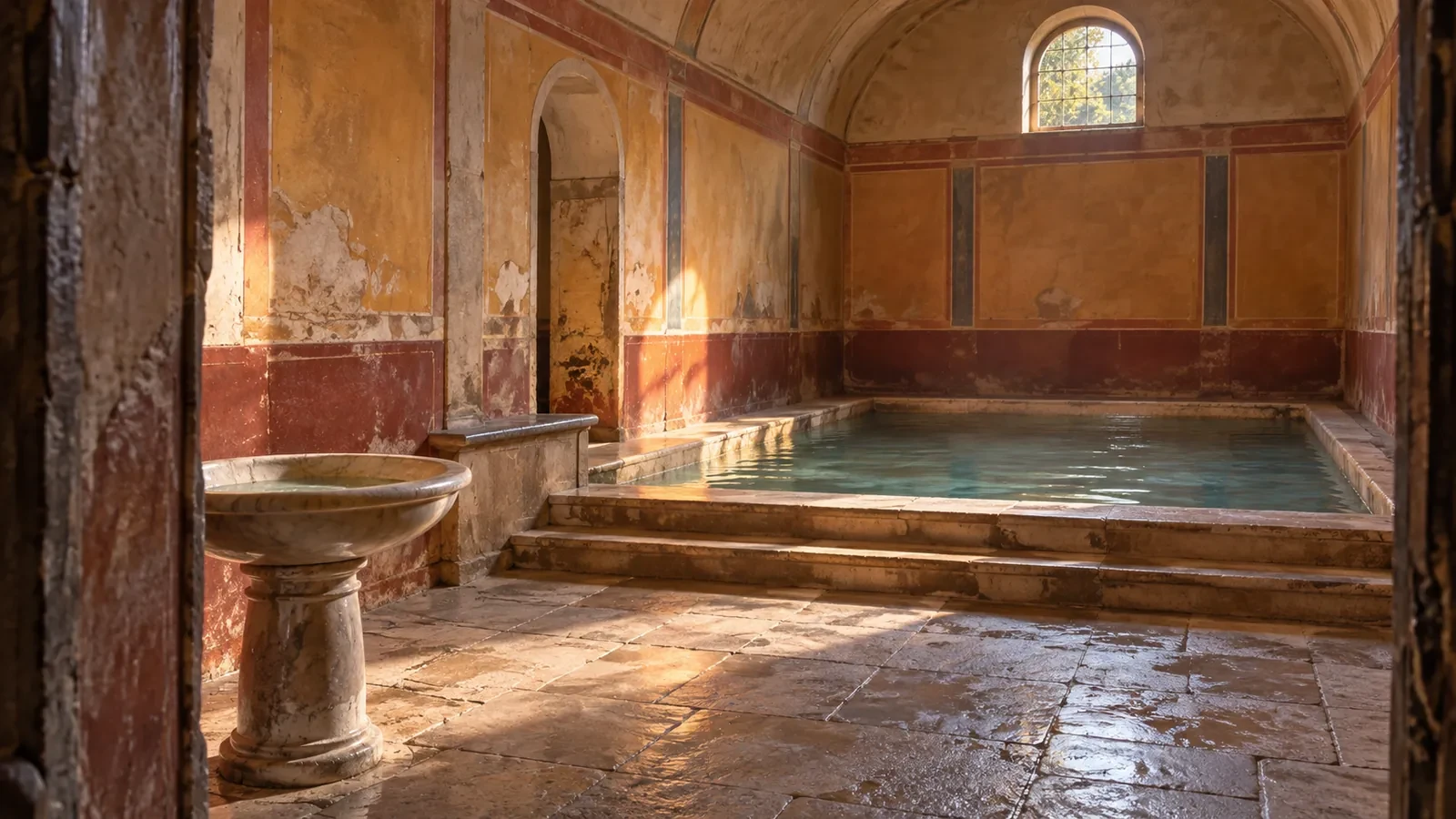
The warm floor was only the beginning. Beneath Pompeii’s baths lay furnaces, pipes and a chain of work that turned fire and water into an everyday pleasure.
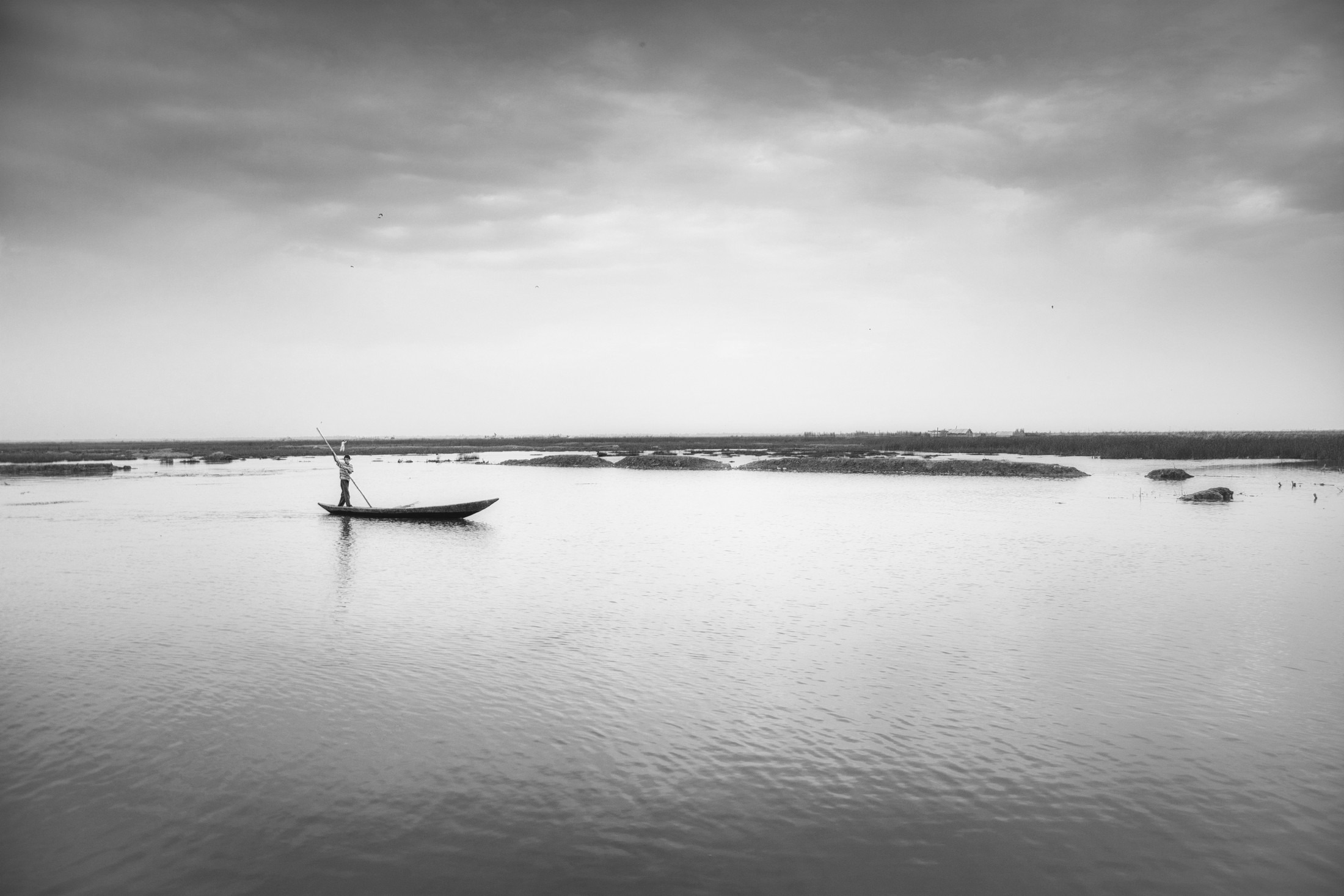
In Early Dynastic Lagash, bringing river water to a field depended on a connected canal network—and organised work. Follow the route and examine the evidence.